What Is Turkish Food?
Picture a long table covered in small plates. There is something creamy and golden in the center, a bowl of smoky dip beside it, a basket of warm bread, a plate of herb-stuffed grape leaves, and somewhere nearby, the smell of meat coming off a grill. That table is Turkish food. Not one dish. Not one flavor. A whole way of eating that has been built over centuries and refined across an enormous stretch of land that connects Europe, the Middle East, and Central Asia.
Turkish food is one of the most diverse and misunderstood cuisines in the world. Most people outside of Turkey know it only through a handful of dishes, usually kebabs and maybe baklava. But those dishes are just the surface. Under them is a food culture shaped by geography, history, trade routes, and a deep-seated tradition of cooking with care. For anyone in San Francisco, San Mateo, Palo Alto, or Mountain View who wants to understand what they are actually eating when they sit down at a Turkish restaurant, this is the guide that fills in the gaps.
Where Turkish Food Comes From and Why It Tastes the Way It Does
Turkey sits at a crossroads. To the west is Greece and the rest of Europe. To the south and east are Syria, Iraq, Iran, and the broader Middle East. To the north is the Black Sea. For centuries, this position made Turkey a meeting point for spice routes, agricultural traditions, and food cultures that all left their mark on the local cuisine.
The Ottoman Empire, which ruled for roughly 600 years, had a profound effect on how Turkish food developed. The imperial kitchens in Istanbul employed hundreds of cooks and drew ingredients from across the empire, blending flavors and techniques from dozens of different cultures into a coherent culinary identity. The result was a cuisine that is both specific and far-reaching. It has dishes that belong entirely to Turkey and dishes that share obvious roots with Greek, Lebanese, Persian, and Central Asian food.
This history explains why Turkish food does not taste like any single thing. It is earthy and warming in some dishes, bright and citrusy in others, smoky from the grill in others still. Cumin and sumac show up alongside fresh mint and dill. Lamb and beef share menu space with fresh fish and vegetables. The range is wide because the influences behind it are wide.
What pulls it all together is a commitment to fresh ingredients and straightforward preparation. Turkish cooking does not hide behind heavy sauces or complicated techniques. A good kebab is good because the meat is quality, the marinade is simple and well-balanced, and the grill does its job. A good hummus is good because the chickpeas are fresh, the tahini is real, and the lemon is used with the right hand. The food trusts its ingredients to do the work, and that trust shows in every bite.
The Dishes That Make Turkish Food Worth Knowing
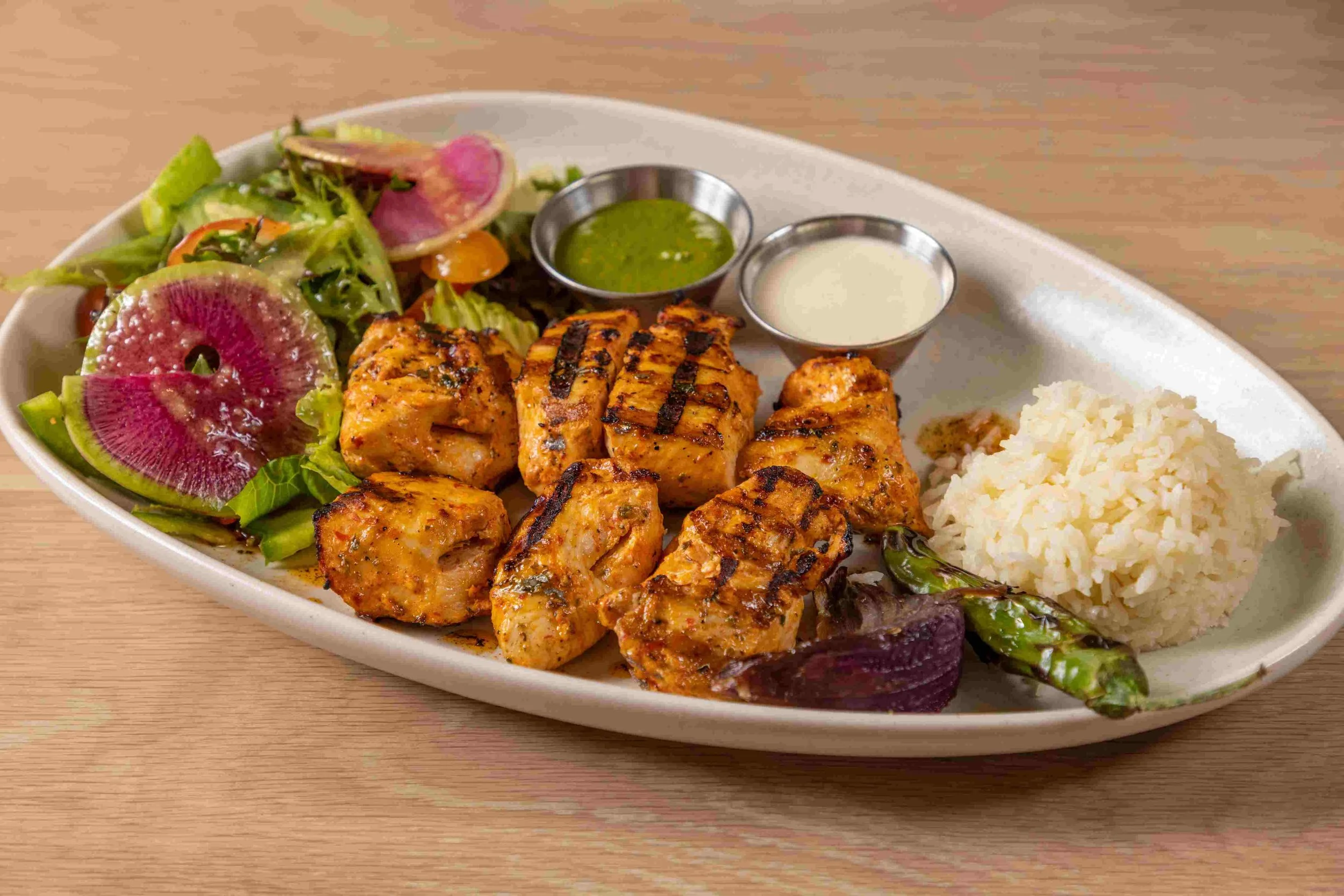
Kebabs are the most recognized part of Turkish cuisine worldwide, and they earned that recognition honestly. The word kebab simply means grilled meat in Turkish, but within that category there is enormous variety. Shish kebab uses cubed lamb or beef marinated in herbs and threaded onto skewers. Adana kebab, named after a city in southern Turkey, uses ground meat mixed with red pepper and spices, shaped around a flat skewer and grilled until slightly charred. Chicken kebab uses herb-marinated breast cubes, lighter in flavor but equally satisfying. Each version has a different character, and all of them represent grilled kebabs in San Francisco that Bay Area diners have grown to love.
Döner kebab is in a category of its own. Seasoned meat is stacked onto a vertical rotating spit and slow cooked for hours. As the outer layer cooks through, it is shaved off in thin slices and served in a wrap or on a plate. The outside of the meat is slightly crispy and deeply savory. The inside stays moist and tender from the slow rotation. This is the dish that gave birth to the modern gyro, and the two are closely related even if the seasonings and accompaniments differ slightly. The best places for gyro and döner in San Francisco are the ones that cook the meat slowly and serve it fresh off the spit rather than reheating pre-cooked slabs.
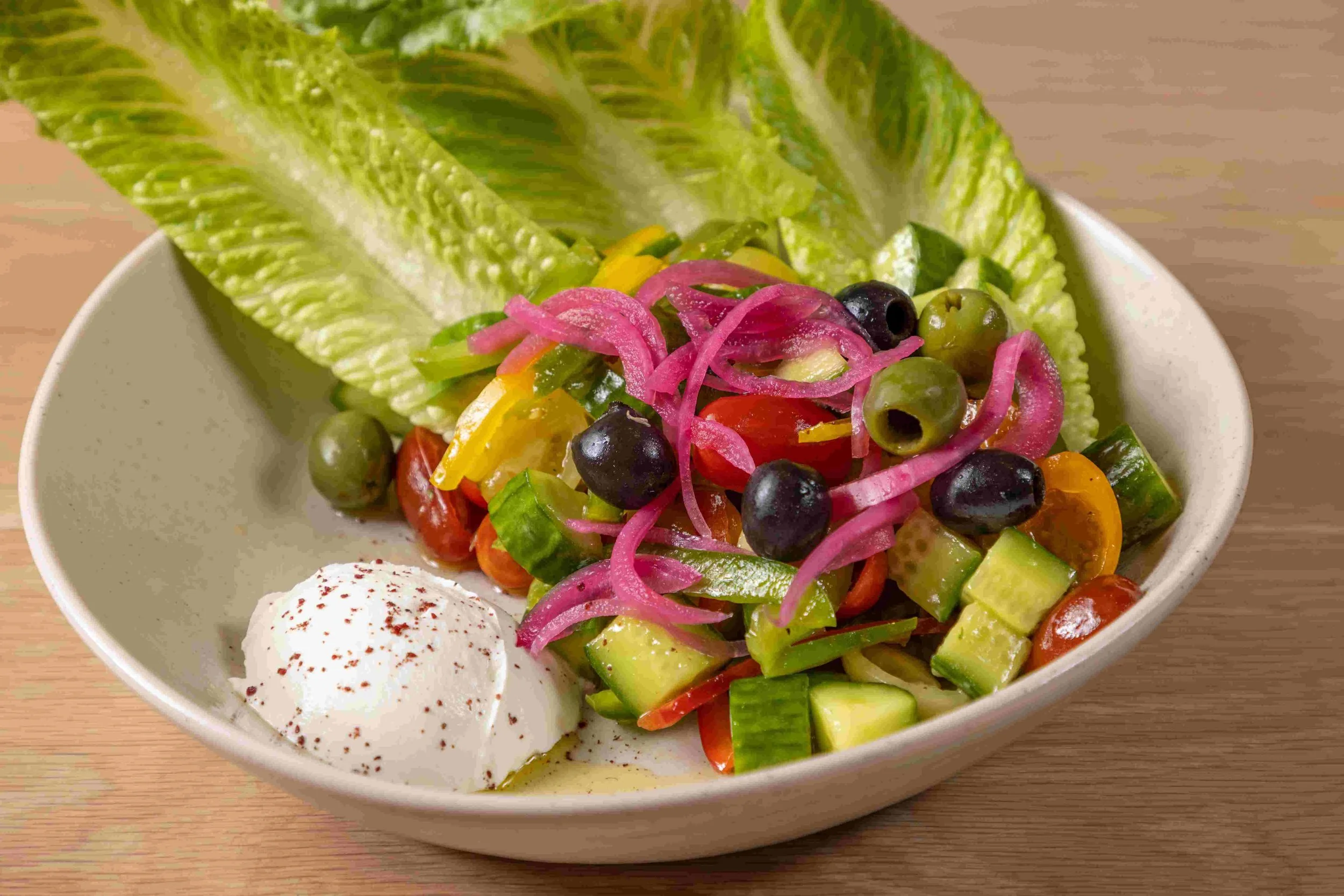
Beyond the grill, Turkish food has a strong tradition of vegetable and legume dishes that deserve far more attention than they typically get. Stuffed grape leaves, known as dolmades, are grape leaves wrapped tightly around a filling of rice, fresh herbs, and spices. They are served cold as a starter and eaten with tzatziki. Baba ghanoush is smoked eggplant blended with yogurt, tahini, mint, garlic, and lemon, and it has a depth of flavor that surprises most people who try it for the first time. Sauteed eggplant with tomato, garlic, and bell peppers is another dish that shows how well Turkish cooking handles vegetables without ever making them feel like an afterthought.
Soups play an important role in Turkish daily eating in a way that does not always translate to restaurant menus outside of Turkey. Red lentil soup is one of the most common and beloved, made from red lentils, onion, cumin, and lemon, blended smooth and finished with a drizzle of butter and dried mint. It is warming, filling, and genuinely good in a simple way that feels like home cooking more than restaurant food.
Here are some of the dishes most worth trying when exploring Turkish cuisine for the first time:
Shish kebab with lamb or beef, served with rice, salad, and tzatziki
Döner or gyro wrap on lavash with fresh greens and house sauce
Baba ghanoush with warm pita as a starter
Red lentil soup alongside a grilled main
Baklava with Turkish coffee to finish the meal
Turkish Food and the Mediterranean Table
Turkish cuisine does not exist in isolation. It sits at the center of a broader Mediterranean and Middle Eastern food world and shares deep roots with Greek, Lebanese, and other regional cuisines. This is why a Turkish restaurant and a Mediterranean restaurant often feel like the same place, because in many ways they are drawing from the same well.
Greek food and Turkish food have a long, intertwined history. Dishes like dolmades, tzatziki, baklava, and moussaka appear on both sides of the cultural line with small variations in seasoning or preparation. The gyro sandwich that San Francisco diners love is directly descended from the Turkish döner. Hummus, which most people associate with Middle Eastern food, is deeply integrated into the Turkish table as well. At a restaurant like Hummus Mediterranean Restaurant in San Mateo, San Francisco, Palo Alto, and Mountain View, this overlap is embraced rather than hidden. The menu pulls from Turkish, Greek, and broader Mediterranean traditions because that is how these cuisines actually work in real life.
Halal Mediterranean food has also become a specific point of interest for a lot of Bay Area diners. Finding a halal restaurant that also delivers on the full range of Turkish and Mediterranean flavors is something many people actively search for. The availability of halal kebabs, gyros, and other grilled meats makes Turkish cuisine accessible to a wider range of diners without changing what makes the food good.
Dining, Takeout, and Getting the Most Out of Turkish Food
Eating Turkish food for the first time at a sit-down restaurant is the best way to experience it fully. The meal is meant to be unhurried. Starters arrive at the table and get passed around while people settle in and talk. The grilled mains come next, and the table fills up with small bowls of sauce, bread, and salad alongside the plates. Dessert closes the meal with something sweet and small, usually baklava or rice pudding alongside a cup of strong Turkish coffee.
This style of eating works beautifully for families, groups of friends, and couples who want a relaxed dinner without formality. Family-friendly restaurants in San Mateo that serve Turkish and Mediterranean food tend to have menus wide enough for everyone, from adventurous eaters who want shish kebab and baba ghanoush to younger diners who are perfectly happy with grilled chicken and warm pita.
For people on the go, Mediterranean takeout near them has become a genuinely good option. A chicken kebab plate, a lamb gyro wrap, or a hummus and pita combination travels well and holds up during delivery without losing what makes it good. Mediterranean food delivery in San Francisco has grown popular for exactly this reason. Hummus Mediterranean Restaurant offers takeout across its Bay Area locations, making it possible to get a proper Turkish and Mediterranean meal on any night of the week without leaving home.
Turkish food rewards curiosity. The more you try, the more you find. Each dish has a story behind it, a region it comes from, a spice combination that is specific to a particular tradition. Starting with a kebab and a bowl of hummus is a perfectly good entry point. But the cuisine has a lot more waiting once you are ready to keep going.
