Popular Vegetarian Dishes from the Mediterranean
Some cuisines treat vegetarian food as an afterthought, a side salad or a plate of plain pasta tucked at the bottom of the menu. The Mediterranean works the other way around. For thousands of years, ordinary families around this sea ate mostly beans, grains, vegetables, bread, olive oil, and cheese, and kept meat for celebrations. Many of the best-loved dishes in the region are vegetarian because that is how people ate every day, not because someone was trying to make a point.
That history is why so many vegetarians feel at home in a Turkish, Greek, or Middle Eastern kitchen. The dishes were built to be satisfying, colorful, and full of flavor, and they never needed meat to get there. If you have been searching for Mediterranean food near you that works for a plant-based table, this guide walks through the most popular vegetarian dishes, what goes into them, and how to order them with confidence.
Why the Mediterranean Kitchen Is So Friendly to Vegetarians
Three habits shape this whole food culture. The first is the generous use of olive oil, which gives vegetables a rich, silky feel without butter or cream. The second is the love of legumes. Chickpeas, lentils, and white beans fill the stomach, carry protein, and soak up spices beautifully. The third is the way herbs and acids are used. Lemon juice, sumac, fresh mint, dill, and parsley wake up simple ingredients so that a tomato or an eggplant tastes like the main event.
There is another reason this food works so well for vegetarians. The meal is built from many small plates. Instead of one centerpiece protein with a few sides, the table fills with dips, salads, pastries, and warm bread, all shared. A vegetarian can eat a full and varied meal from the same spread as everyone else, and nobody feels like they ordered the odd dish out. That is one reason family-friendly restaurants in San Mateo and across the Bay Area that serve this cuisine are such easy choices for mixed groups.
It also helps that a lot of this cooking is naturally lighter. Grilled vegetables, bean dips, and herb salads sit at the center of what people call healthy Mediterranean food in San Francisco, and they are some of the most useful healthy dining options in SF for anyone who wants to eat well on a regular weeknight.
The Legume and Grain Dishes That Carry the Table
Start with hummus, because almost every vegetarian meal here does. Chickpeas are cooked until very soft, then blended with tahini, lemon juice, garlic, and olive oil until the texture turns smooth and almost fluffy. A well-made bowl tastes nutty, bright, and a little garlicky, and it works as a dip, a spread, or a full meal when you add enough bread. The classic version is only the beginning. Beet hummus turns bright pink and tastes gently sweet and earthy. Chipotle hummus brings smoke and a slow warmth. Olive and feta hummus adds a salty, briny edge. A flight of several flavors is a fun way to compare them side by side, and it is one of the easiest ways to understand how much range a single dish can have. Anyone browsing the Hummus Mediterranean Kitchen menu for the first time will find that several of these flavors sit right at the top.

Falafel is the other famous legume dish. Ground chickpeas, or fava beans in some regions, are mixed with parsley, cilantro, garlic, onion, and cumin, shaped into balls, and fried until the outside turns deep gold. When it is made fresh, the inside is bright green from the herbs and moist enough to hold together without crumbling. Falafel can be eaten on its own with a tahini sauce, tucked into warm pita with pickles and tomato, or served alongside hummus and baba ghanoush on a plate. It is hearty enough to feel like a real meal, and it is one of the most popular examples of Mediterranean street food in the world.
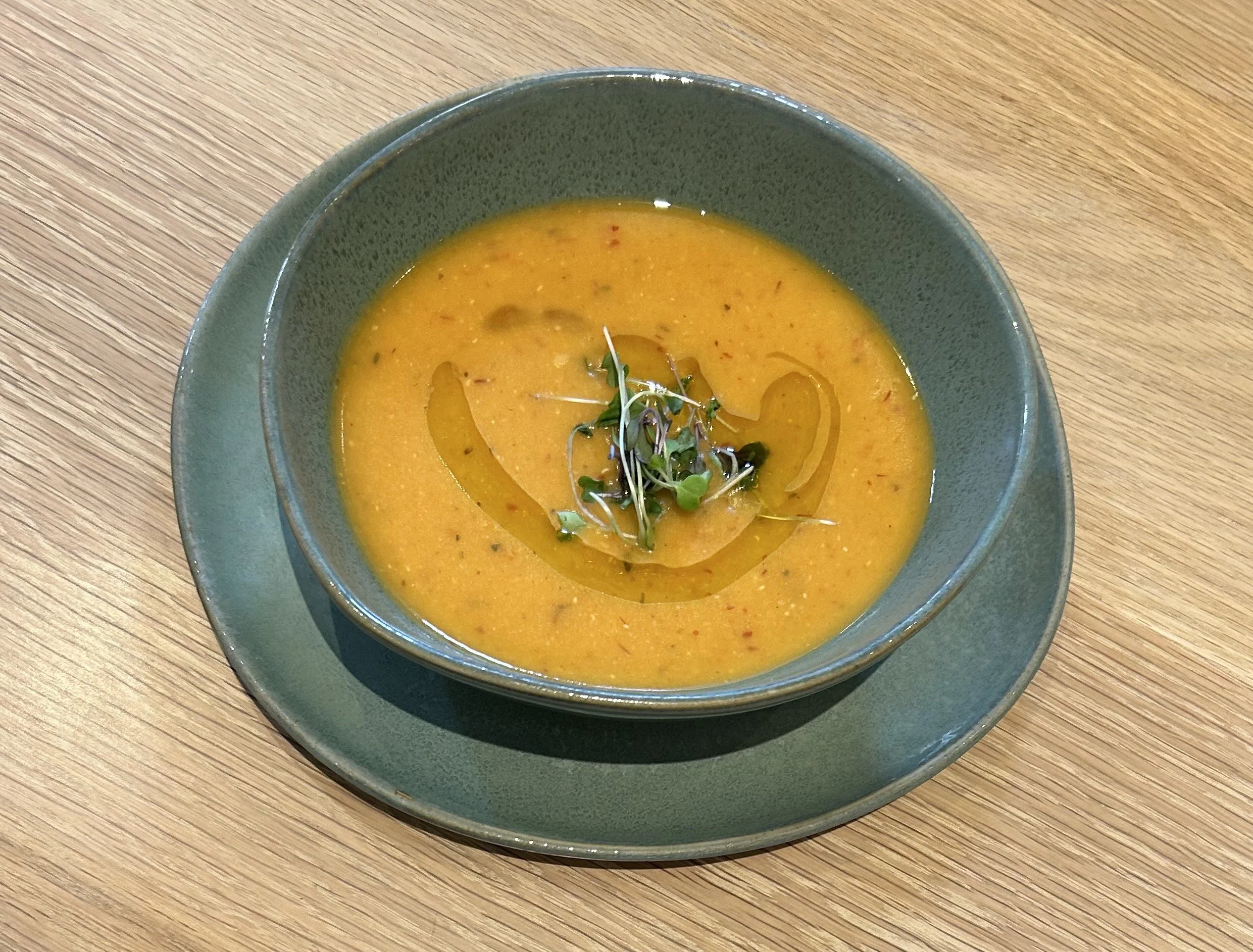
Lentils deserve more attention than they usually get. Red lentil soup is a daily comfort in Turkish homes. The lentils are simmered with onion, carrot, and a little cumin until they fall apart, then blended into a velvety bowl and finished with lemon and sometimes dried mint. It is warm, filling, and simple, and it is a good pick on a cold San Francisco evening. Another classic is mujaddara, a Levantine dish of lentils and rice topped with deeply browned onions. It is plain on paper and addictive in practice, because the sweet, crispy onions turn a humble pot of grains into something people ask for again.
Grains round things out. Bulgur wheat shows up in tabbouleh, where it is a small supporting player behind mountains of chopped parsley. Rice appears inside stuffed vegetables and under saucy dishes. Quinoa is a newer arrival in Mediterranean bowls, where it sits with hummus, olives, feta, red cabbage, and crispy chickpeas to make a balanced meal in one dish.
Vegetables, Salads, Pastries, and Baked Comfort
If legumes are the backbone, vegetables are the heart. Eggplant is the star of the region, and it has many faces. In baba ghanoush, it is roasted over fire until the skin chars and the flesh turns soft, then mixed with tahini, lemon, and garlic for a smoky dip. In sautéed eggplant dishes, it is cooked with tomato, garlic, and bell pepper until it turns silky and sweet. In moussaka, it is layered with potato, squash, and tomato, topped with a creamy béchamel, and baked until the surface goes golden. The vegetarian version of moussaka is one of the great comfort foods of the region, rich enough to feel like a holiday meal and easy to share.
Stuffed grape leaves, called dolmades or dolma, are another vegetarian favorite. Tender leaves are wrapped around rice, herbs, and spices, then served cool with a squeeze of lemon and a spoonful of yogurt sauce. Tzatziki itself is vegetarian, a cool blend of strained yogurt, cucumber, garlic, mint, and olive oil, and it makes almost any dish better. A spicy salsa made from red pepper paste, tomato, and parsley adds a bold, tangy kick to warm bread.
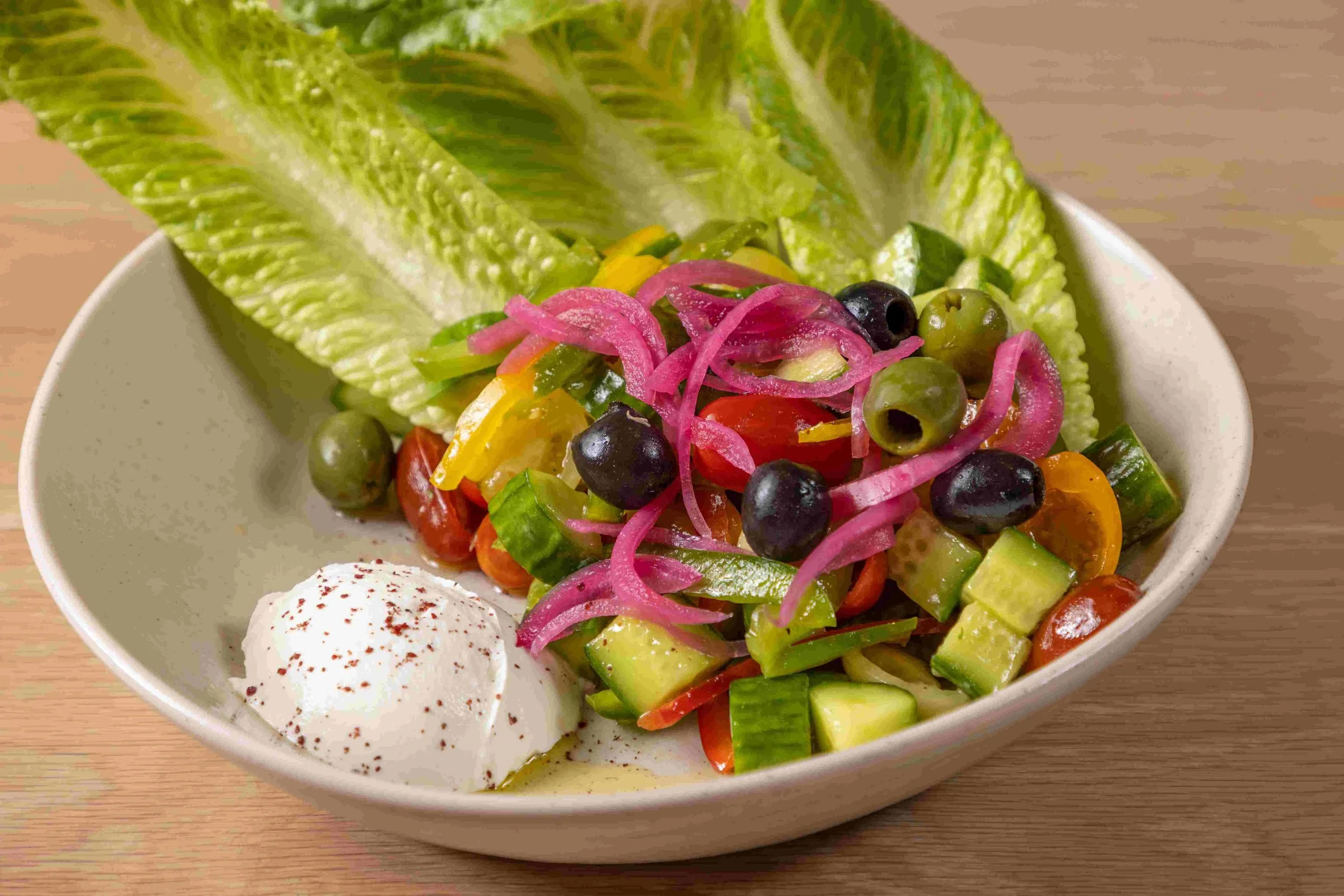
Salads in this cuisine are not an obligation. A Greek salad pairs crisp romaine, tomato, cucumber, red onion, peppers, olives, and feta with a lemony dressing, and it tastes like summer even in January. Fattoush is the crunchy one, tossed with sumac and pieces of toasted pita so that every forkful has a snap. Kale salad with roasted beets, oranges, almonds, and shaved cheese shows how Mediterranean flavors can meet modern California produce in the middle, a style some people call Greek Mediterranean fusion. These salads make a full lunch when you add a dip and warm bread.
Pastries and baked dishes add the cozy side. Spanakopita wraps spinach, feta, and herbs in crisp, buttery filo dough. Turkish cheese börek and the small fried cheese rolls known as sigara böreği are crunchy outside and soft and salty inside. On weekends, Turkish and Mediterranean breakfast opens up a whole new set of vegetarian choices. Menemen is a skillet of soft eggs cooked with tomato, onion, and peppers. Shakshuka poaches eggs in a spiced tomato sauce. Çılbır sets poached eggs over garlic yogurt with chili oil. A Greek omelet with feta, olives, and oregano is simple and satisfying. A tip for strict vegetarians: ask about cooking fats and ingredients like sucuk, which is a beef sausage often added to egg dishes, so you get exactly what you want.
How to Order, Dine In, and Take It Home
Knowing the dishes is half the fun. The other half is putting them together. A good vegetarian Mediterranean meal has a dip, a salad, something warm and filling, and bread. For two people, try a hummus flight or two dips, a fattoush or Greek salad, and a main like falafel, vegetarian moussaka, or a veggie bowl with quinoa and grilled vegetables. For a larger group, order a few dips and sides for the center of the table, add a couple of mains, and let everyone reach in. Mediterranean platters are made for this kind of sharing.
Mixed tables are no problem. Friends who eat meat can order lamb or chicken kebabs, and when people ask where to get kebabs in San Francisco, the answer is usually somewhere that grills to order. Turkish kebabs, grilled kebabs San Francisco diners love, döner kebab, and gyro sandwiches sit happily beside a falafel plate, and all of it shares the same dips, salads, and pita. A lamb gyro in San Francisco and a vegetable bowl can sit side by side on one table without anyone feeling left out. That flexibility is a big reason why so many of the best Mediterranean restaurants in San Francisco are also top picks for groups, dates, and family dinners.
At Hummus Mediterranean Restaurant in San Mateo, San Francisco, Palo Alto, and Mountain View, the vegetarian side of the menu is easy to spot. Hummus in several flavors, baba ghanoush, tzatziki, dolmades, falafel, spanakopita, vegetarian moussaka, red lentil soup, and a veggie combo bowl all appear with clear markings, and the restaurant also serves halal meat for diners who want to share a table with kebab lovers. Since it is a Halal restaurant and a Turkish restaurant at heart, you will find authentic Turkish food in San Francisco right next to Greek classics and Middle Eastern favorites. Kids can enjoy simple plates, which is another reason families often choose it.
Takeout works well for vegetarian food. Dips, falafel, salads, and rice bowls travel nicely, so Mediterranean takeout near me searches often lead to a bag of hummus, warm pita, and a salad on a busy night. If you are ordering the best takeout Mediterranean food in SF, a few tips help. Ask for dressings and sauces on the side so salads stay crisp. Pack the pita separately so it stays soft. Eat fried items like falafel soon after pickup. Many places also offer Mediterranean food delivery in SF, and catering trays of hummus, salads, rice, and falafel make feeding a crowd simple. Whether you are planning a quiet night in or looking through San Francisco takeout options for the office, a vegetarian Mediterranean order is a dependable choice.
Final Thoughts on Vegetarian Mediterranean Eating
The vegetarian dishes of the Mediterranean are not a workaround or a compromise. They are some of the oldest, most loved, and most flavorful foods in the whole region. Hummus, falafel, baba ghanoush, stuffed grape leaves, lentil soup, spanakopita, and vegetarian moussaka all earned their places because families have been enjoying them for generations. They are filling, they are colorful, and they taste even better when shared.
For Bay Area foodies, this is a cuisine that welcomes everyone to the same table. Whether you are vegetarian every day, trying a meatless week, or just curious about what else the menu has to offer, there is plenty to explore. Order a few dips, tear into warm bread, and let the table fill up.
