Popular Halal Middle Eastern Dishes
Ask ten people what Middle Eastern food is, and you will get ten different answers. One person thinks of a wrap stuffed with sliced meat. Another thinks of a bowl of hummus with warm bread. A third remembers a huge platter of rice and lamb at a family gathering. All of them are right, because Middle Eastern cooking is a big food family that covers many countries, many spice blends, and many ways of feeding people well.
Most of this food is also halal by tradition. The two ideas fit together naturally. Halal means the meat comes from animals raised and processed under Islamic guidelines, and Middle Eastern kitchens have been cooking this way for centuries. If you have been searching for halal Mediterranean food in SF or want to understand what to order the next time you sit down at a halal restaurant, this guide walks through the most popular dishes in the order a meal usually unfolds.
Why Halal and Middle Eastern Cooking Go Hand in Hand
Halal cooking in this part of the world is not a trend. It is simply how everyday meals are made. Pork is not used, alcohol is not part of the recipes, and meat is sourced with care. Because of that, the traditional menu is full of lamb, chicken, beef, fish, legumes, grains, and vegetables, all seasoned with spices and herbs rather than heavy sauces.
The flavors change from place to place. Lebanese and Syrian cooking lean on fresh herbs, lemon, and garlic. Turkish cooking brings in red pepper, sumac, and yogurt. Palestinian and Jordanian dishes often use sumac, onions, and olive oil in generous amounts. Gulf and Iraqi cooking uses warm spices like cardamom, cinnamon, and dried lime. Greek food sits right next to this family and shares many of the same dishes, which is why so many Greek and Mediterranean restaurants near you serve both traditions on one menu.
What ties it all together is the way a meal is served. Food arrives in the middle of the table, people share, and nobody rushes. That habit is part of why this cuisine has found such a warm welcome across the Bay Area.
The Starters That Open the Table
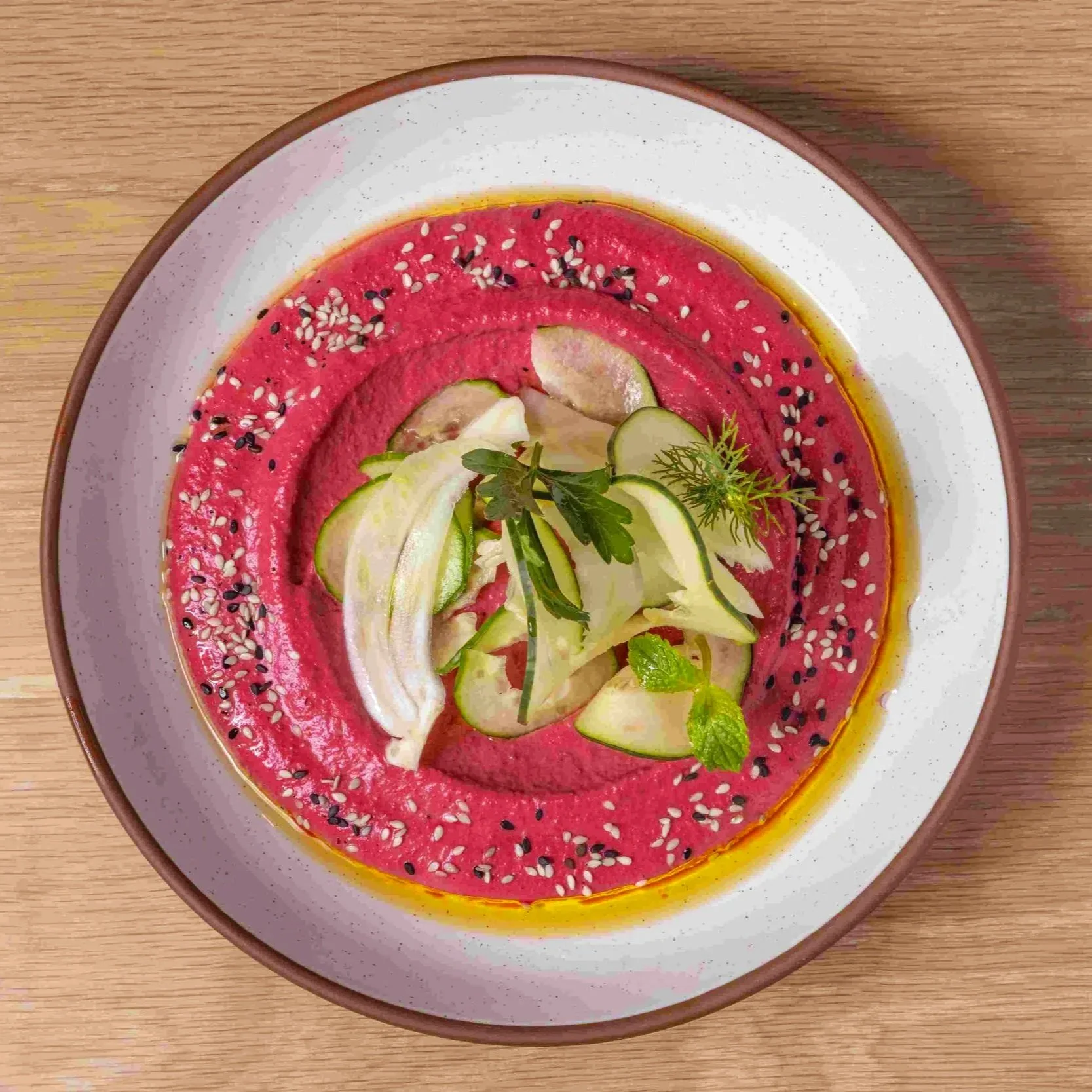
Almost every Middle Eastern meal begins with small plates, and the first one most people reach for is hummus. It is made from chickpeas, tahini, lemon juice, garlic, and olive oil, blended until it is silky. Good hummus tastes nutty and bright at the same time. Hummus restaurants often serve it with a pool of olive oil in the center and a pinch of paprika or sumac on top. Variations such as beet hummus, chipotle hummus, or one topped with olives and feta show how flexible the base can be.
Baba ghanoush is the smoky cousin. Eggplant is roasted until the skin chars and the inside turns soft, then mixed with tahini, lemon, and garlic. Some versions add yogurt or mint. The smoke is the star, and it makes the dip taste richer than its short ingredient list suggests. Scoop it with warm pita and you will understand why it never leaves the table half full.
Tabbouleh is the one dish on this list that is mostly herbs. Finely chopped parsley is mixed with tomato, onion, mint, a little bulgur, lemon juice, and olive oil. It tastes sharp, green, and clean, which is why it works so well next to rich grilled meat. Fattoush is its crunchy relative. Romaine, cucumber, tomato, and radish are tossed with sumac and topped with pieces of toasted or fried pita, so every bite has a bit of snap and a little tang.

Falafel deserves its own mention. Ground chickpeas or fava beans are mixed with parsley, cilantro, garlic, and cumin, shaped into balls, and fried until the outside is dark gold. Inside, the falafel should be green from the herbs and soft, never dry. It is a popular choice for vegetarians, and it works as a snack, a starter, or the filling for a wrap.
Stuffed grape leaves, known as dolma or warak enab, are small rolls packed with rice, herbs, and sometimes meat. They are served cool or warm, with lemon squeezed over them. Kibbeh is another starter worth knowing. It is a shell made of bulgur and minced meat, stuffed with spiced ground lamb and pine nuts, then fried or baked. The crisp outside and savory center make it one of the most loved dishes in Lebanese and Syrian homes.
Grilled, Spit-Roasted, and Slow-Cooked Mains
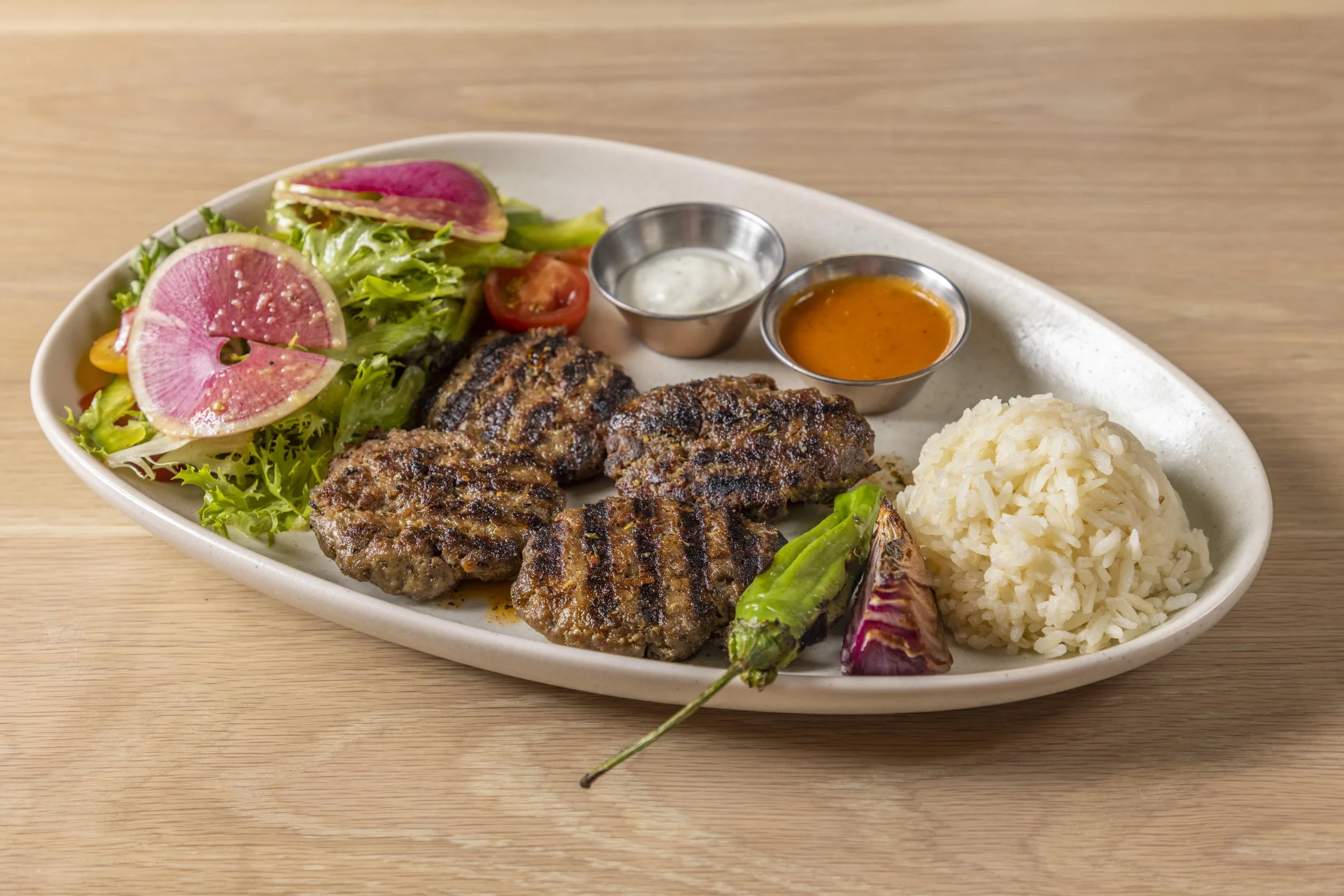
When the starters are cleared, the main dishes arrive, and this is where kebabs take over. The word kebab simply means cooked meat, and there are many kinds. Shish kebab is cubed lamb, beef, or chicken threaded onto skewers and grilled over high heat. Turkish kebabs are often marinated in olive oil, garlic, and herbs, and they come off the grill with a smoky crust and a juicy middle. Kofta kebab uses minced meat mixed with onion, parsley, and spices, shaped around the skewer and grilled. Adana style is spicier, and Lebanese style is usually milder and more herby.
Shish tawook is a favorite among chicken lovers. Chicken is marinated in yogurt, lemon, garlic, and spices, which keeps it tender and gives it a golden color on the grill. It is usually served with garlic sauce, rice, and grilled vegetables. If you are wondering where to get kebabs in San Francisco, look for a place that grills to order and does not let the skewers sit under a lamp for an hour. Fresh grilled kebabs in San Francisco should arrive hot, juicy, and lightly charred at the edges.
Then there is the spinning spit. Shawarma, döner, and gyro all come from the same idea. Layers of seasoned meat are stacked on a vertical rotisserie and cooked slowly as it turns. The outside is shaved off in thin slices while the inside keeps cooking. Shawarma leans toward warm spices such as cinnamon, cardamom, and turmeric. Döner kebab is Turkish and usually tastes of cumin, paprika, and garlic. A gyro is the Greek version, often served with tzatziki, tomato, and onion. People searching for the best places for gyro and döner in SF are really looking for the same thing: thin, crisp-edged slices of tender meat tucked into warm bread with fresh vegetables and a cool sauce. A lamb gyro in San Francisco is a lunchtime classic, and gyro sandwiches have become a staple of Mediterranean street food across the city.
Slow-cooked dishes bring a different kind of comfort. Moussaka layers eggplant, potato, and spiced meat under a creamy sauce, then bakes it until the top turns golden. Maqluba, which means upside down, is a pot of rice, vegetables, and meat that is flipped onto a platter at the table so it holds its shape like a cake. Musakhan, a Palestinian favorite, is roasted chicken piled on flatbread with sumac, caramelized onions, and olive oil. Mansaf, the national dish of Jordan, is lamb cooked in fermented dried yogurt and served over rice. These are the dishes people cook for holidays, weddings, and big family tables, and they show the deeper side of the cuisine beyond the grill.
Fish also has a place on the table. Grilled salmon or sea bass, brushed with olive oil, lemon, and herbs, is simple and light. Fish is a good choice for anyone looking for healthy Mediterranean food in San Francisco without giving up flavor.
No Middle Eastern meal is complete without rice and bread. Rice is often cooked with a little butter or vermicelli noodles, which gives it a toasted, nutty flavor. Mujaddara, a dish of lentils, rice, and crispy fried onions, is humble and filling, and it shows how well this cuisine treats simple ingredients. Pita is the tool of the table. Warm and soft, it is torn into pieces, used to scoop dips, and wrapped around meat. Flatbreads topped with za’atar and olive oil, called manakish, are popular for breakfast and snacks.
For dessert, baklava is the best known. Thin layers of filo dough, crushed nuts, and syrup make a treat that is sweet and crunchy at once. Kunafa, made with shredded dough and soft cheese, is served warm and often topped with syrup and pistachios. Rice pudding and a small cup of strong coffee or tea round things off. Dessert in this region is usually small and meant to be shared.
How to Order, Dine In, and Take It Home
The restaurant side of this cuisine has grown across the Bay Area. Hummus Mediterranean Restaurant serves Turkish, Greek, and Middle Eastern dishes with halal meat in San Mateo, San Francisco, Palo Alto, and Mountain View. Its menu follows the same flow described above, with hummus and dips to start, plates of kebabs, gyros, koftedes, falafel, and salmon for the main course, plus bowls, wraps, and a kids plate for younger eaters. That range is part of why it shows up on lists of SF restaurants and Bay Area restaurants that people return to again and again.
Here is some simple, practical advice for ordering. If you are with a group, order a few dips and a Mediterranean platter to share, then add one or two grilled mains for the table. Mediterranean platters are a smart way to taste several dishes at once, and they work well for first visits. If you are dining alone and want something quick, a gyro wrap or a bowl with rice, hummus, and grilled chicken makes a complete meal. If you are new to the cuisine, start with hummus, a kebab, and a fresh salad. These three dishes give you a clear picture of the flavors without overwhelming you.
Families will find this food easy to love. Grilled chicken, rice, fries, and soft pita are friendly for children, while adults can explore stuffed grape leaves, moussaka, or lamb. That is why many people search for family-friendly restaurants in San Mateo when planning a weekend dinner. Friends meeting after work enjoy the shared plates, couples like the relaxed pace, and larger groups can order family-style trays that serve several people at once. Many locations also offer a pleasant spot to wine and dine Mediterranean style, with a glass of sangria or a pot of tea alongside the meal.
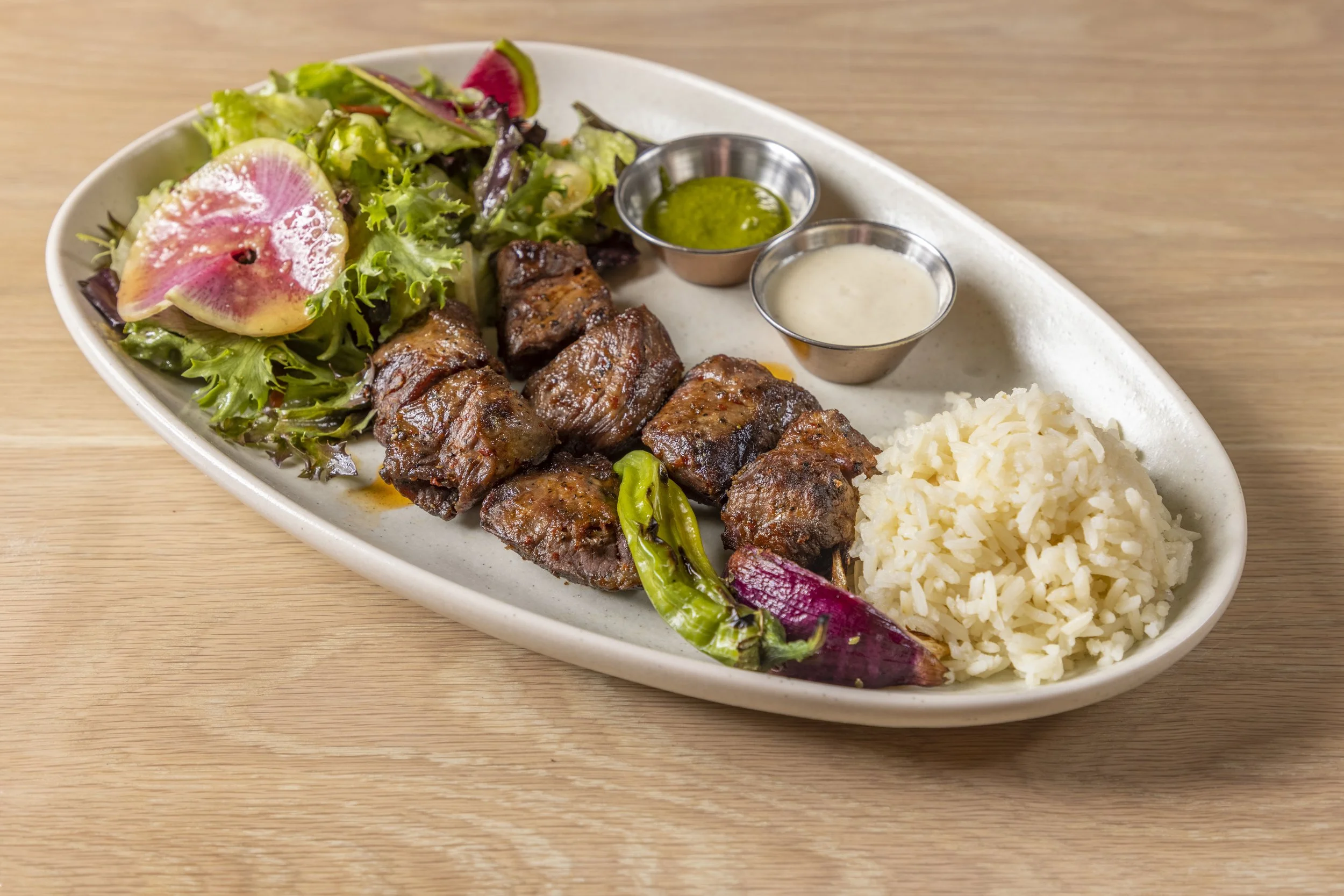
Takeout is another strength. Mediterranean takeout near you in San Francisco is easy to find, but not every dish travels well. Kebab plates, rice, hummus, and wraps hold up nicely, which makes them some of the best takeout Mediterranean food in SF for busy weeknights. A few tips help. Ask for sauces on the side so the bread stays crisp. Eat grilled meats soon after pickup so they stay juicy. Order extra pita, since it disappears fast. If you prefer not to leave home, Mediterranean food delivery in SF is available through many restaurants, and kebab takeout is a dependable option for lunch at the office or dinner on the couch. For larger gatherings, catering trays of rice, salads, dips, and grilled meat make feeding a crowd simple.
Healthy eating fits in easily, too. The cuisine leans on grilled proteins, legumes, olive oil, and vegetables, so it is full of healthy dining options in SF. A grilled chicken plate with salad and hummus, or a veggie bowl with quinoa and falafel, gives you protein, fiber, and healthy fats in a single meal. Because the meat is halal, many diners also appreciate the care that goes into how it is sourced.
Final Thoughts on Halal Middle Eastern Food
A good halal Middle Eastern meal is built from honest ingredients, patient cooking, and generous sharing. From the first scoop of hummus to the last bite of baklava, every dish has a story and a reason to be on the table. The starters set a relaxed pace, the grilled and slow-cooked mains bring the depth, and the rice, bread, and sweets finish the meal the way it has been finished for generations.
For Bay Area foodies, it is easy to see why this cuisine keeps winning new fans. It works for a quick weeknight pickup, a lively dinner with friends, or a long family table with plates going in every direction. Order a little of everything, pass the plates, and let the table fill up.
