Nutritional Facts of Mediterranean Cuisine
Most people have a general sense that Mediterranean food is good for them. They have heard the phrase "Mediterranean diet" enough times to know it comes with a positive reputation. But there is a big difference between knowing something is healthy and actually understanding why. What nutrients are in these dishes? What makes hummus better than other dips? Why does a grilled kebab leave you feeling better than a burger? This guide answers all of that with real nutritional context that makes the food make sense.
For anyone in San Francisco, San Mateo, Palo Alto, or Mountain View who eats Mediterranean food regularly or is just starting to explore it, understanding what is in each dish gives you a better relationship with what you are ordering. Healthy Mediterranean food in San Francisco has become a real category of dining that people seek out intentionally, and the nutritional profile behind the cuisine explains exactly why.
The Foundation: What Mediterranean Cuisine Is Built On
Before getting into specific dishes, it helps to understand the building blocks of Mediterranean cooking because the nutritional value of the cuisine comes from those foundations more than any single ingredient.
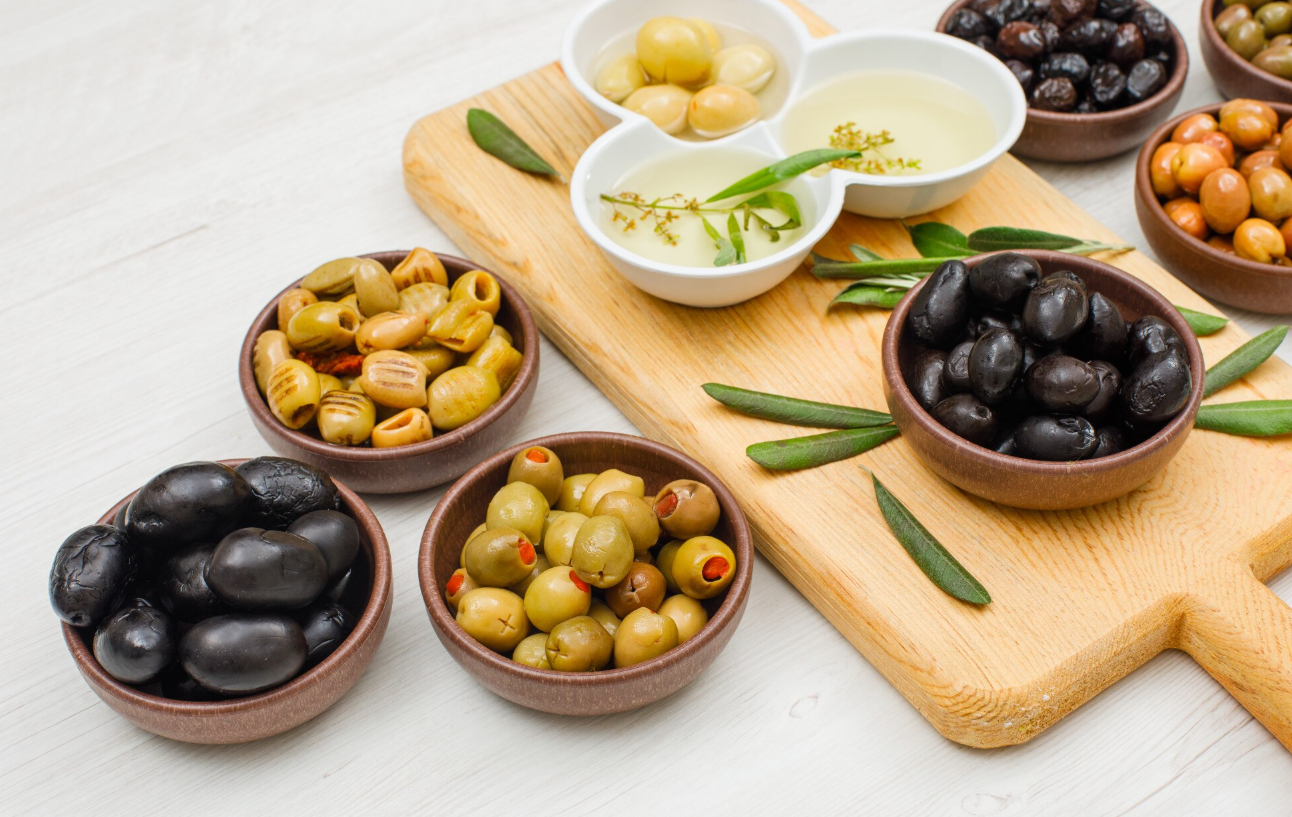
Olive oil is the fat of choice across the entire Mediterranean and Middle Eastern food tradition. Unlike butter or processed vegetable oils, extra-virgin olive oil is high in monounsaturated fatty acids, particularly oleic acid, which has been studied extensively for its role in supporting cardiovascular health. It also contains polyphenols, which are plant compounds that act as antioxidants in the body. A tablespoon of olive oil has around 120 calories, but those calories come with genuine nutritional value rather than empty energy.
Legumes are another cornerstone. Chickpeas, lentils, fava beans, and similar foods appear throughout Mediterranean and Turkish cuisine in dips, soups, salads, and side dishes. These foods are high in plant-based protein, which means they support muscle function and satiety the same way animal protein does but with the added benefit of dietary fiber. A half-cup serving of chickpeas contains roughly 7 grams of protein and 6 grams of fiber, which is a significant contribution to daily nutritional needs from a single ingredient.
Fresh vegetables and herbs are not garnish in Mediterranean cooking. They are core ingredients. Tomatoes, cucumbers, bell peppers, eggplant, onions, and leafy greens show up in salads, cooked dishes, and as accompaniments to grilled proteins. These contribute vitamins A, C, and K, along with potassium, folate, and a range of antioxidants. Fresh herbs like parsley, dill, and mint add additional micronutrients while also reducing the need for salt as a primary flavor agent.
Lean proteins, mostly chicken, lamb, and fish, are prepared using methods that preserve their nutritional value rather than undermining it. Grilling, the dominant cooking technique in Turkish and Mediterranean kitchens, cooks the protein through direct heat without submerging it in oil or coating it in heavy batter. The result is a protein source that retains its amino acid content, stays relatively low in added fat, and delivers genuine nutritional density per serving.
Dish by Dish: The Nutritional Breakdown
Understanding the foundations makes it easier to look at specific dishes and see exactly what they bring to the table nutritionally.
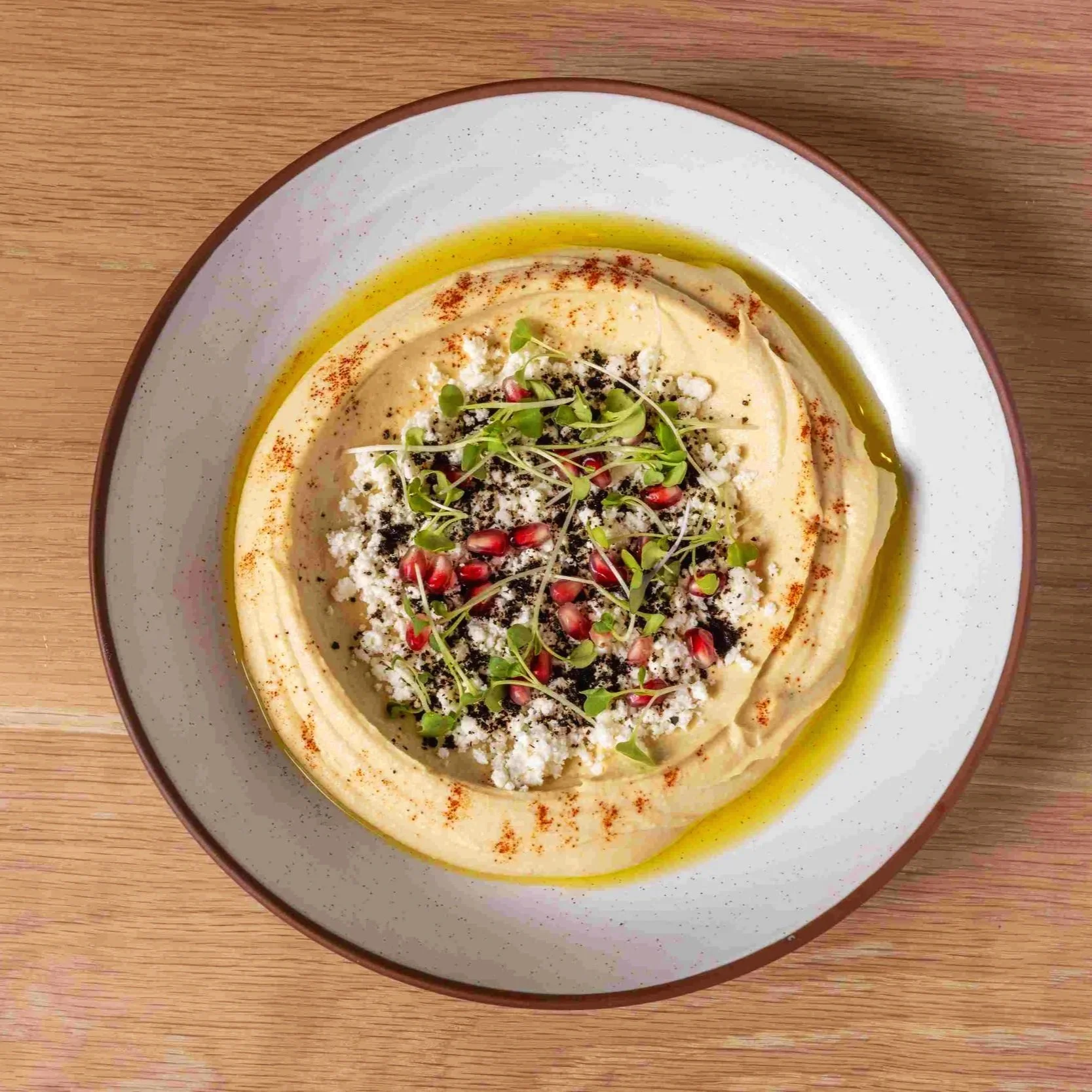
Hummus is one of the most nutritionally complete dips available at any restaurant. A standard serving made from chickpeas, tahini, lemon juice, garlic, and olive oil provides protein, healthy fat, fiber, and a range of micronutrients including iron, folate, and magnesium. The tahini, which is ground sesame paste, adds calcium and additional healthy fat. The garlic contributes compounds that have been associated with immune and cardiovascular support. Eating hummus with warm pita provides a combination of protein and complex carbohydrates that digests more slowly than refined snack foods, which means it keeps you full longer without causing a sharp spike in blood sugar.
Grilled chicken kebab is a lean protein option that fits well into almost any nutritional goal. Chicken breast marinated in herbs, garlic, lemon, and olive oil, then grilled on skewers, delivers around 25 to 30 grams of protein per serving with relatively low saturated fat content. The marinade adds flavor through herbs and acid rather than through sugar or cream, so the calorie addition from the preparation is minimal. Served alongside rice and a fresh salad, a chicken kebab plate provides a macronutrient balance of protein, complex carbohydrates, and fiber in one meal.
Lamb shish kebab and lamb gyro are slightly richer in fat than chicken, but lamb also brings a stronger iron content per serving than most other meats, which is nutritionally relevant for people who need to support healthy red blood cell production. A serving of lamb also provides zinc, vitamin B12, and selenium, all of which play roles in immune function and energy metabolism. Grilled preparation keeps the added fat minimal compared to braised or pan-fried lamb dishes.
Grilled salmon, when marinated in extra-virgin olive oil, lemon, and herbs, is one of the most nutrient-dense proteins on any Mediterranean restaurant menu. Salmon is high in omega-3 fatty acids, specifically EPA and DHA, which are the forms of omega-3 that the body uses most directly for brain function, inflammation management, and cardiovascular health. A single serving provides well over the recommended daily intake of these fatty acids, along with high-quality protein, vitamin D, and B vitamins.
Fattoush salad and Greek salad both deliver a wide range of micronutrients from their raw vegetable components. Romaine lettuce, tomato, cucumber, bell pepper, and onion together provide vitamins A, C, and K alongside potassium and folate. Kalamata olives in a Greek salad add monounsaturated fat and polyphenols. Feta cheese contributes calcium and protein in amounts that are meaningful even in a small serving. Sumac, which appears in fattoush as both a garnish and a flavoring, contains antioxidants and has been studied for potential anti-inflammatory properties.
Baba ghanoush, the smoked eggplant dip, is lower in calories than hummus but still provides fiber, vitamins, and the same olive oil and tahini base. Eggplant is high in nasunin, an antioxidant found in its skin, and contains fiber that supports digestive health. The smoking process used to prepare the eggplant does not significantly alter its nutritional content but adds a depth of flavor that makes this dish satisfying without needing added fat or salt.
A few nutritional highlights worth remembering when ordering:
Hummus with vegetables instead of pita reduces the carbohydrate load while keeping protein and fiber high
Grilled chicken kebab is one of the leanest complete protein options on a Mediterranean menu
Fattoush and Greek salads are both under 300 calories in a standard serving while covering multiple micronutrient needs
Olive oil used in Mediterranean cooking adds healthy fat without the saturated fat content of butter
Lamb and salmon both provide nutrients that are harder to get from plant sources alone
How Mediterranean Nutrition Translates to Everyday Eating
The nutritional profile of Mediterranean and Turkish cuisine is not just impressive on paper. It translates to real outcomes that people notice when they eat this way consistently. The combination of fiber from legumes and vegetables, healthy fat from olive oil, and lean protein from grilled meats creates a macronutrient balance that supports stable energy levels throughout the day. People who eat Mediterranean food regularly often report feeling full without feeling heavy, which is a direct result of how the food is structured nutritionally.
The low processed sugar content of most Mediterranean dishes is another factor. Savory dishes across Turkish and Greek Mediterranean cuisine do not use added sugar as a flavor enhancer the way a lot of Western fast food and packaged food does. The sweetness in a meal comes from roasted vegetables, fresh fruit, or a small dessert at the end like baklava, rather than being hidden in every component of every dish.
For Bay Area diners who are conscious about what they eat, this matters. Finding a Mediterranean restaurant near them in San Francisco or the broader Bay Area that takes ingredient quality seriously is part of the appeal. Halal Mediterranean food at a Turkish restaurant like Hummus Mediterranean Restaurant in San Mateo, San Francisco, Palo Alto, and Mountain View means the proteins are clean, additive-free, and prepared without shortcuts that compromise the nutritional value of the ingredients.
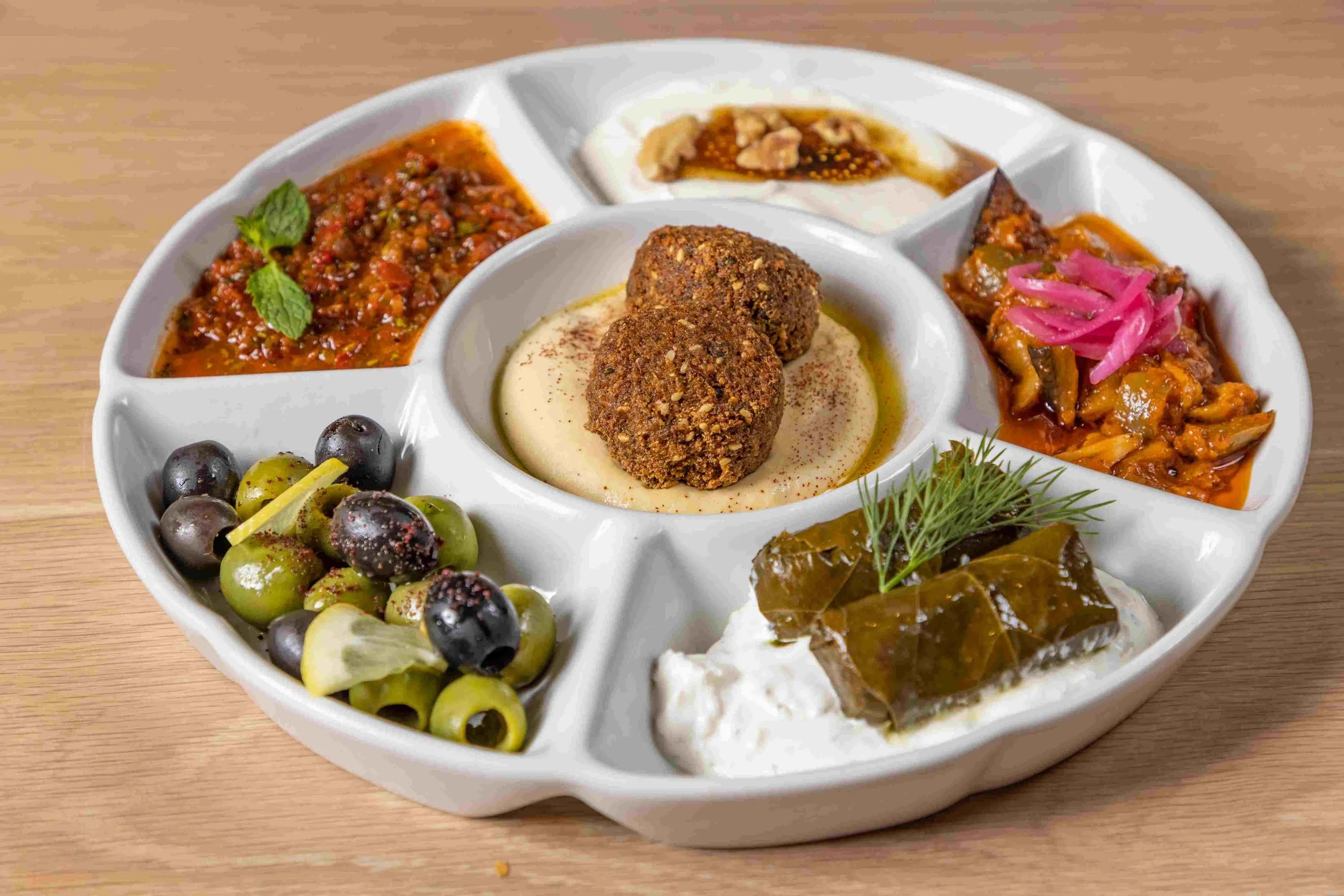
Mediterranean takeout and food delivery in San Francisco offer the same nutritional benefits as dining in, which is worth pointing out because takeout food often gets treated as a compromise. A grilled kebab plate with rice and salad ordered for delivery has the same protein, fiber, and micronutrient content as the same plate eaten in the restaurant. The food does not lose its nutritional integrity because it traveled in a bag, which makes Mediterranean food delivery in San Francisco one of the genuinely smart choices for busy evenings when cooking is not an option.
The nutritional case for Mediterranean and Turkish cuisine is one of the strongest in the food world, and it holds up under real scrutiny. The ingredients are whole, the cooking methods are clean, and the meals are complete in a way that supports the body rather than taxing it. That combination of taste and genuine nutritional value is exactly why this cuisine has built such a loyal following across the Bay Area and why it continues to be one of the most recommended food styles by nutritionists and food lovers alike.
