Common Misconceptions About Mediterranean Food
Mediterranean food has a reputation problem. Not because the food is bad. Quite the opposite. The problem is that so many people think they already know what it is, and a lot of what they think turns out to be wrong. Some people assume it is all hummus and pita. Others think it is the same as Greek food. Some believe it must be spicy, or that it is always vegetarian, or that it is too heavy for a regular weekday lunch. These ideas spread, stick around, and end up keeping people from trying food they would genuinely love.
This guide goes through the most common misconceptions about Mediterranean cuisine one by one, explains what is actually true, and fills in the real picture of what this food is and why it has such a loyal following across the Bay Area and beyond.
Misconception One: Mediterranean Food and Greek Food Are the Same Thing
This is probably the most widespread mix-up. Greek food is part of Mediterranean cuisine, but Mediterranean cuisine is not just Greek food. The Mediterranean region covers more than twenty countries along the coastline of the Mediterranean Sea. That includes Turkey, Lebanon, Morocco, Spain, Italy, Egypt, Tunisia, Israel, and more. Each of these countries has its own distinct food traditions, ingredients, spice profiles, and cooking techniques.
Turkish food, for example, sits under the Mediterranean umbrella but has a personality that is entirely its own. Turkish kebabs use spice blends that include cumin, sumac, red pepper flakes, and dried herbs in combinations that do not appear in Greek cooking the same way. Dishes like börek, menemen, and sucuk come from Turkish culinary tradition specifically and are not shared by Greek food culture in any direct way. Döner kebab, which gave birth to the modern gyro, is Turkish in origin even though gyros are now closely associated with Greek food in the American market.
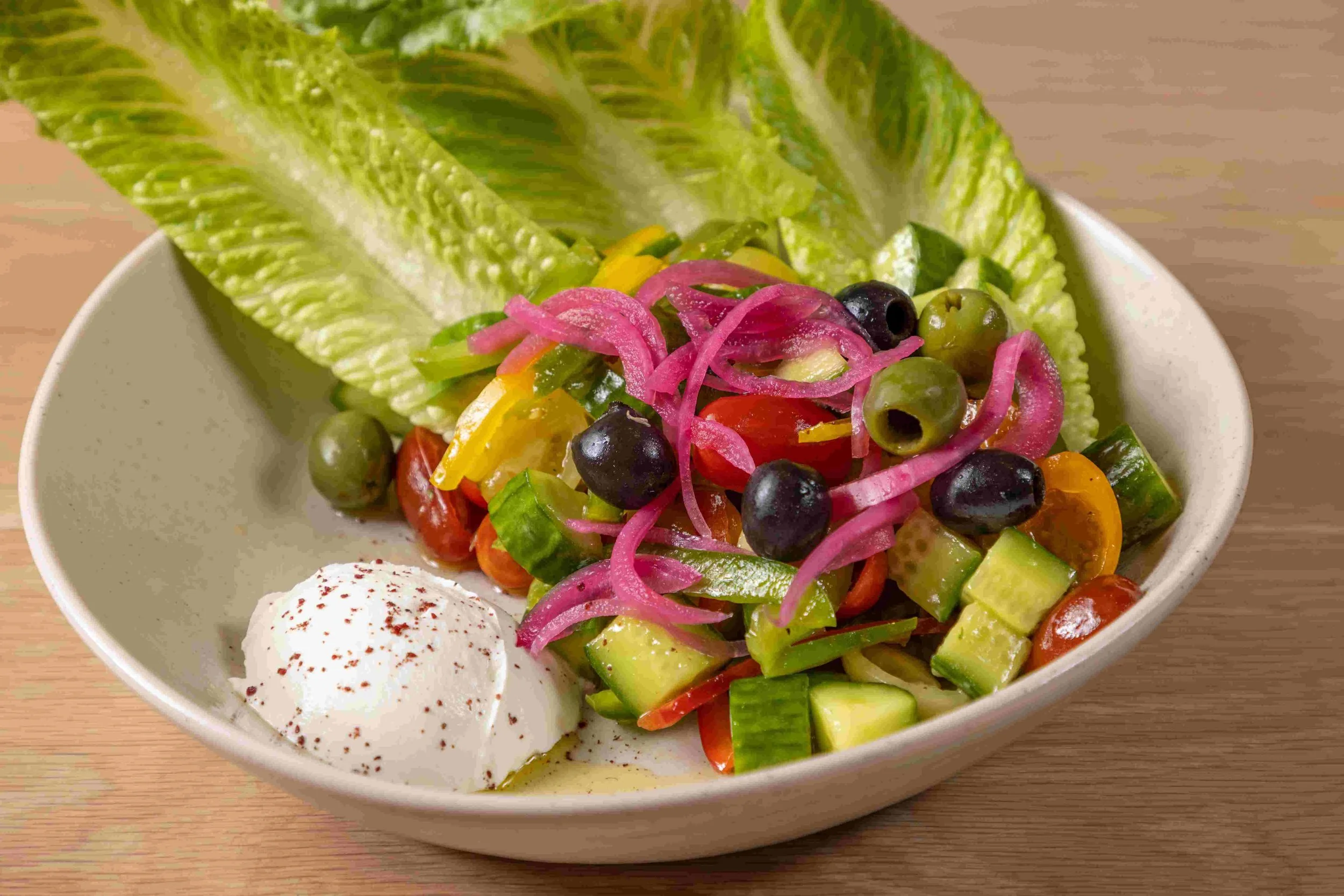
Greek Mediterranean cuisine and Turkish food share some overlap because of centuries of shared geography and history. Both use yogurt as a sauce and condiment, both love olives and olive oil, and both have versions of stuffed grape leaves and layered pastry dishes. But they are distinct cuisines with their own identities, and eating at a Turkish restaurant in San Francisco is a fundamentally different experience from eating at a Greek one, even if the menu looks similar at a glance.
The same logic applies to Lebanese, Moroccan, and other Mediterranean food traditions. Bay Area Mediterranean food covers all of these, and the best restaurants are the ones that understand where each dish actually comes from rather than lumping everything together without distinction.
Misconception Two: It Is All Hummus and Pita
Hummus is one of the most recognized foods in the world at this point, and pita bread is not far behind. They show up everywhere, from grocery store shelves to fast food chains to party platters at every kind of gathering. Because they are so visible, a lot of people assume that Mediterranean food starts and ends there.
The reality is that hummus and pita are just the opening of a very long conversation. A full Mediterranean menu includes grilled kebabs, slow-roasted döner meat, lamb and beef gyros, shish kebab on skewers, herb-marinated chicken, stuffed grape leaves, baba ghanoush, moussaka, falafel, fresh salads, lentil soup, rice pilafs, grilled salmon, and desserts like baklava and rice pudding. This is a complete cuisine with an enormous range of textures, cooking methods, and flavor profiles.
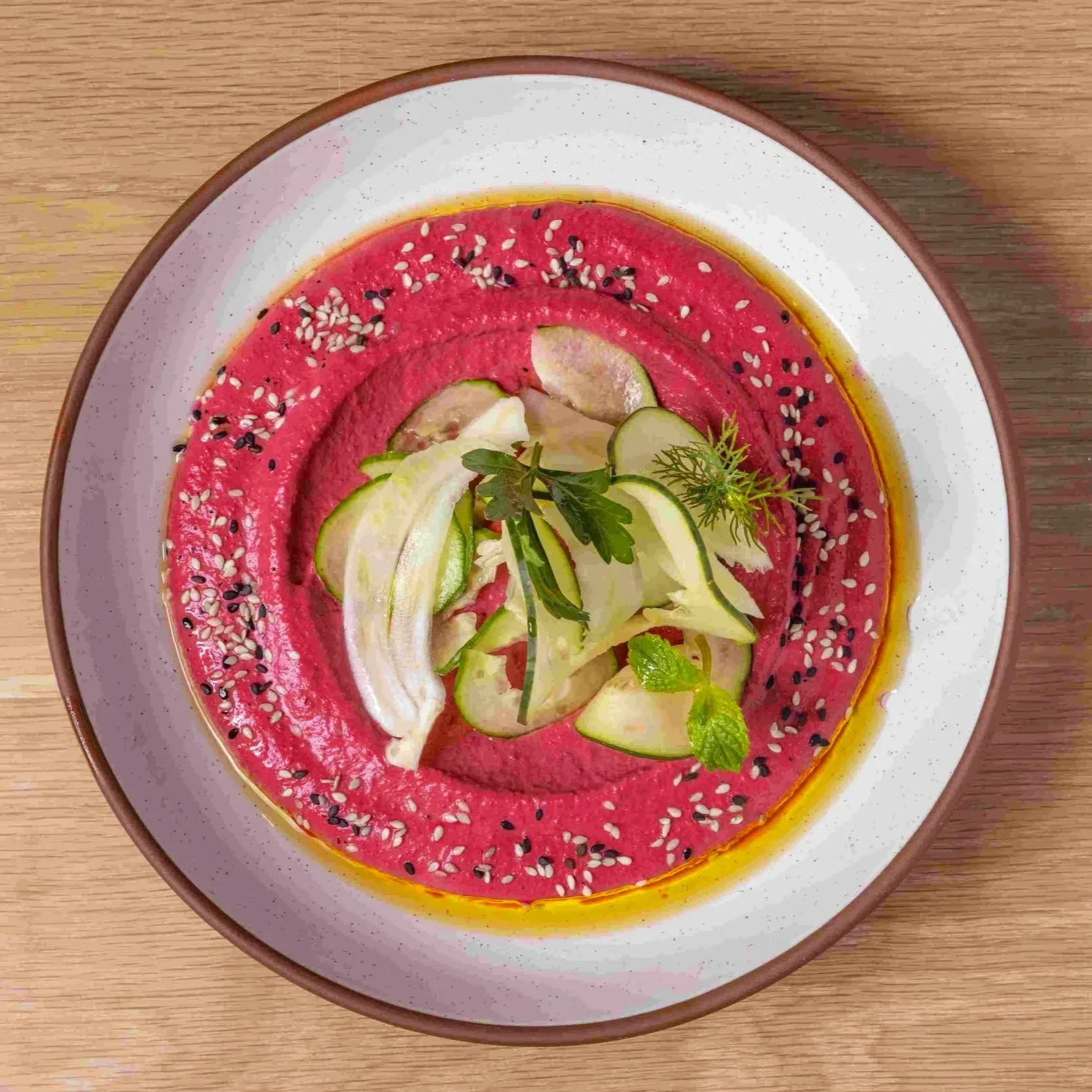
Hummus itself is more varied than most people realize. It is not one thing. Classic hummus made from chickpeas, tahini, lemon, and olive oil is just the base. From there it can be topped with roasted beets, chipotle pepper paste, feta and olives, or spiced ground meat. Each version has a different character while sharing the same creamy foundation. So even within hummus, there is a lot more going on than the basic version most people know from a plastic tub at the grocery store.
For anyone searching for the best Mediterranean restaurants in San Francisco or Mediterranean food near them, going in with this broader understanding means you will actually explore the menu instead of defaulting to the same two things every time.
Misconception Three: Mediterranean Food Is Always Spicy or Always Mild
People often land on one of two assumptions about the spice level of Mediterranean food. Either they expect it to be fiery and overwhelming, or they assume it is so mild it will be bland. Both are wrong, and both lead to disappointment.
Mediterranean and Turkish cuisine use spices heavily, but the goal of spice in this food tradition is depth and complexity, not just heat. Cumin adds an earthy warmth. Sumac brings tartness and color. Dried mint adds a cooling herbal note to savory dishes. Cinnamon and allspice appear in slow-cooked meat dishes and rice pilafs in small amounts that add roundness rather than sweetness. These are flavoring agents, not heat sources.
Heat does exist in Mediterranean food. Turkish red pepper flakes, known as pul biber, have a fruity warmth that ranges from mild to genuinely spicy depending on the variety. Harissa, a North African red pepper paste that appears on some menus, is legitimately hot. But these are specific ingredients used in specific dishes, not a baseline characteristic of the entire cuisine.
Most dishes at a good Turkish or Mediterranean restaurant land in a comfortable middle range that is flavorful without being challenging for people with lower heat tolerance. Grilled kebabs, gyro sandwiches, hummus, fattoush salad, and baba ghanoush are all approachable for most palates. If you want heat, you can usually add hot sauce. If you want to keep things mild, the menu gives you plenty of options without sacrificing flavor.
A few things worth knowing before you order at a Mediterranean restaurant for the first time:
Tzatziki and yogurt sauces are cooling, not spicy, and work well alongside anything on the menu
Fattoush and Greek salads are light and bright with no heat at all
Shish kebab and koftedes have warm spice but are rarely fiery
Ask your server about heat level if you are unsure about a specific dish
Hummus is universally mild and a safe starting point for any palate
Misconception Four: It Is Too Heavy for Everyday Eating
Some people avoid Mediterranean food on weekdays because they assume it is the kind of cuisine you eat for a special occasion and then spend the rest of the day feeling sluggish. This could not be further from reality.
Mediterranean food is one of the most naturally balanced cuisines for everyday eating. Grilled proteins like chicken kebab and grilled salmon are lean and clean. Salads like fattoush and Greek salad are light and vegetable-forward. Hummus with fresh vegetables instead of bread is high in protein and fiber without being calorie-dense. The cooking methods across the cuisine lean heavily on grilling, roasting, and slow cooking rather than deep frying, which keeps the food lighter than it might look on the menu.
Healthy Mediterranean food has become a genuine category of its own because people have figured out that this cuisine works for a quick lunch just as well as it works for a long dinner. A chicken kebab plate with rice and salad is a complete, nutritious midday meal that does not require a nap afterward. A gyro wrap with fresh vegetables and tzatziki is fast, portable, and satisfying without being heavy.
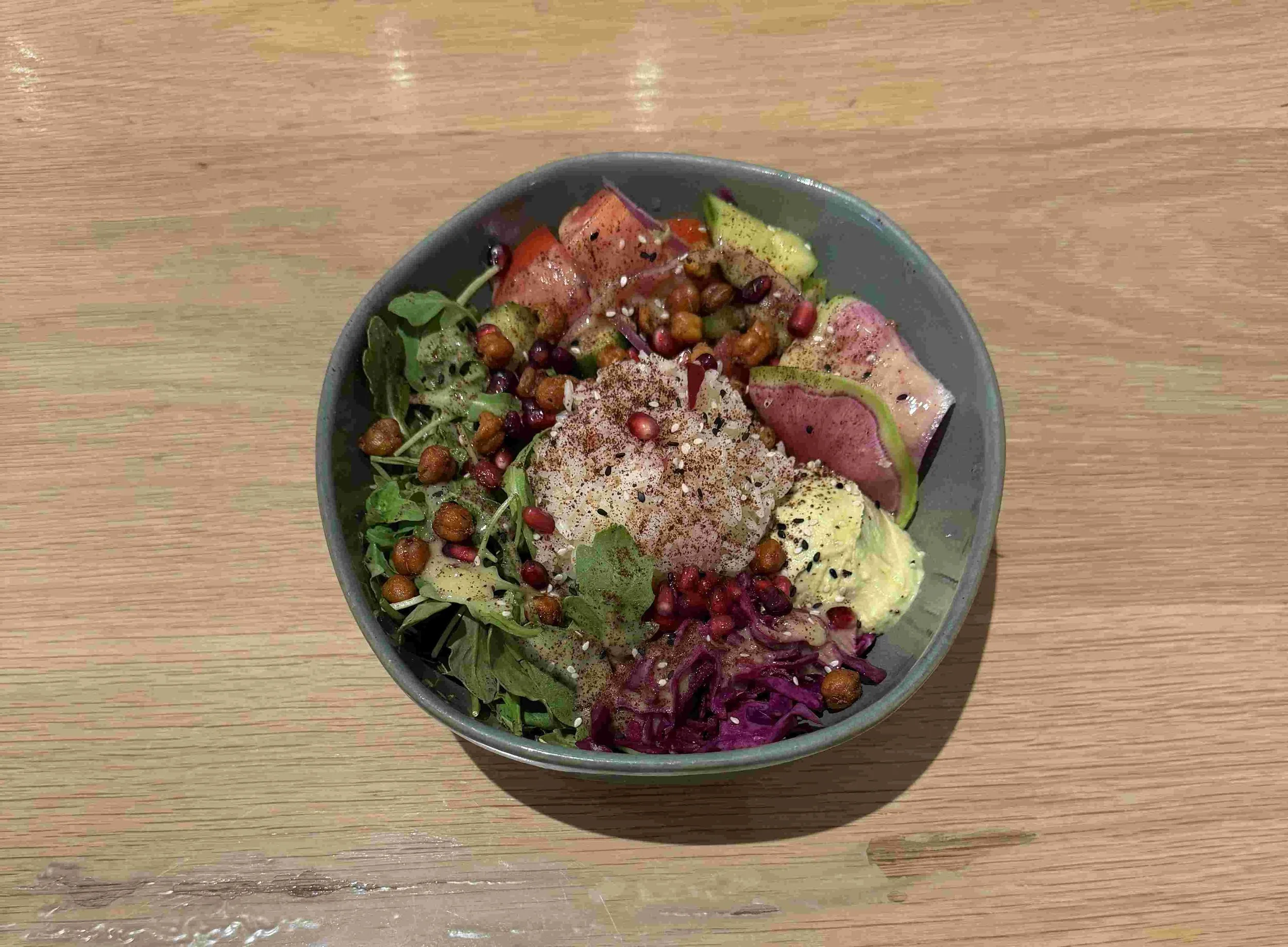
The misconception about heaviness often comes from a single experience with a rich version of moussaka or an oversized portion of baklava. Those exist on the menu, but they are not representative of the whole. The majority of Mediterranean food is genuinely light and well-suited to daily eating, which is part of why the cuisine has such a strong reputation for supporting long-term health.
Halal Mediterranean food at Turkish restaurants like Hummus Mediterranean Restaurant in San Mateo, San Francisco, Palo Alto, and Mountain View gives diners a clean, high-quality protein option that fits into a healthy routine without compromise. The meat is prepared without additives or fillers, which makes the food taste cleaner and feel lighter than comparable dishes at restaurants that do not prioritize ingredient quality in the same way.
For anyone in the Bay Area who has been sleeping on Mediterranean cuisine because of one of these misconceptions, the food is worth a second look. It is diverse, approachable, genuinely healthy, and far more interesting than most people give it credit for. Whether you want a light lunch, a shared dinner with friends, or Mediterranean food delivery in San Francisco on a busy night, this cuisine has something real to offer. Hummus Mediterranean Restaurant brings that full range to the table across its San Francisco, San Mateo, Palo Alto, and Mountain View locations, and the menu reflects just how much this food culture has to say once you get past the assumptions.
