Creamy and Delicious Hummus
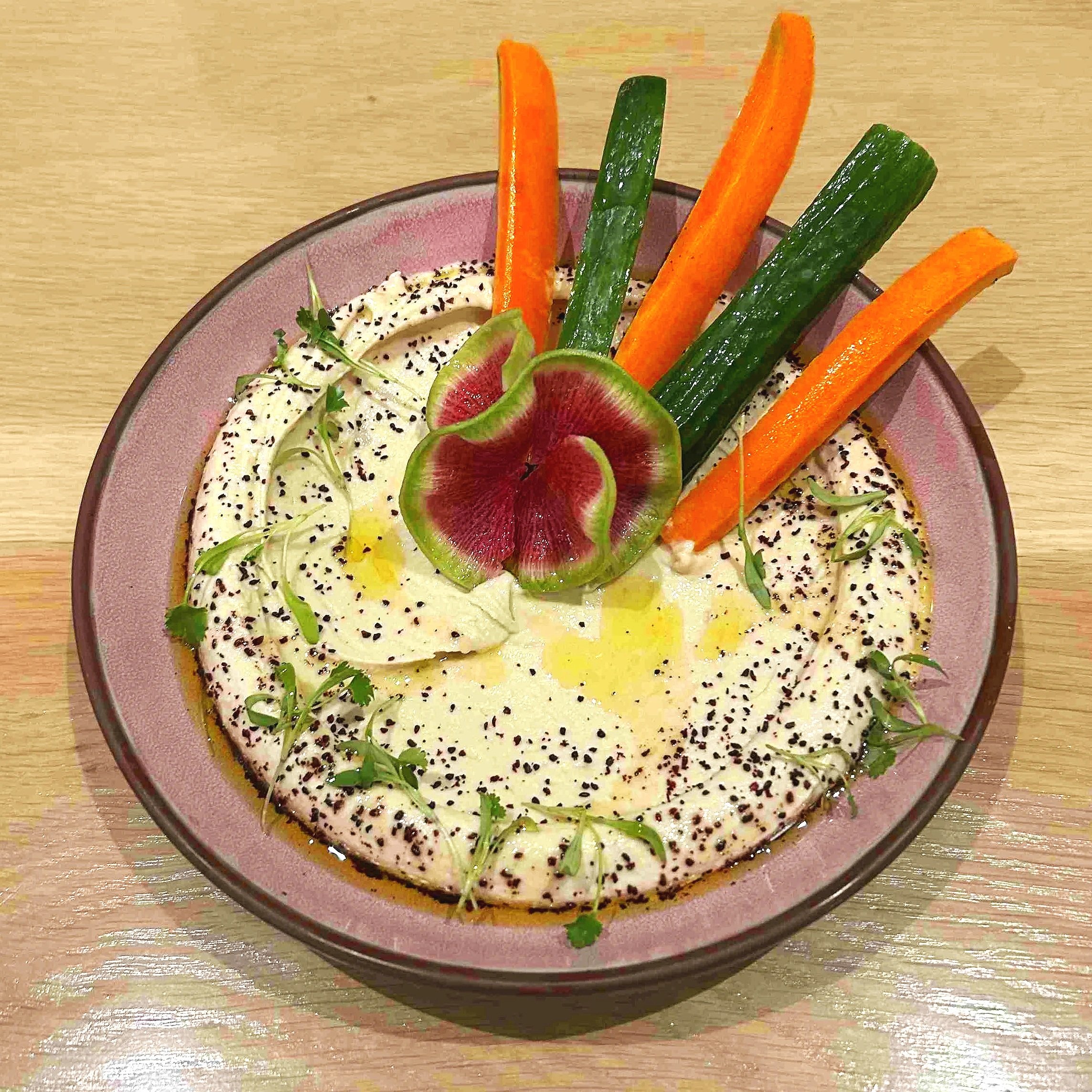
There is something about a well-made bowl of hummus that stops people mid-conversation. It arrives at the table looking simple, a smooth pale spread with a shallow pool of olive oil in the center, maybe a dusting of paprika or sumac, and it smells like lemon and something nutty and warm. You tear off a piece of pita, drag it through, and suddenly everything else at the table feels like it can wait. That is what good hummus does. It earns your full attention without trying too hard.
Hummus is one of the most eaten foods in the world right now, but most people have only ever tasted a version of it that does not come close to what it is actually supposed to be. The plastic tubs from grocery stores are convenient and familiar, but they are a pale shadow of fresh, handmade hummus from a Mediterranean or Turkish restaurant that actually cares about the dish. This guide covers what hummus really is, how it is made, what makes it so good for you, and how to tell the difference between hummus that is just okay and hummus that is genuinely worth going out of your way for.
What Hummus Actually Is and Where It Comes From
The word hummus is Arabic for chickpeas. The full name of the dish is hummus bi tahini, which translates to chickpeas with tahini, and that is exactly what the dish is at its most basic level. It is a blend of cooked chickpeas, tahini, lemon juice, garlic, and olive oil, seasoned with salt and sometimes a touch of cumin. Blended together in the right proportions, these five ingredients produce something that is far greater than the sum of its parts.
The origins of hummus are widely debated across the Middle East and Mediterranean world. Lebanon, Syria, and Turkey all have long histories with the dish, and each region has its own way of making it. What is clear is that chickpeas have been cultivated in the Middle East and Mediterranean region for thousands of years, and the combination of chickpeas with tahini and lemon has been part of the food culture across this area for centuries. The dish does not belong to one country. It belongs to a whole region and a whole way of eating.
In Turkey, hummus appears on the table as a meze, which is a small shared dish served at the start of a meal alongside other dips, bread, and appetizers. In Lebanon, it is often the centerpiece of a simple meal eaten with fresh flatbread and raw vegetables. In Greece, similar preparations show up under slightly different names and with slight variations in seasoning. Across all of these cultures, the role of hummus is the same. It is a welcoming dish, something that brings people together at the table before the main event arrives.
What Goes Into Great Hummus and Why Each Ingredient Matters
The difference between average hummus and exceptional hummus comes down entirely to the ingredients and the process. There are no shortcuts that produce a great result, and the quality of each component shows up directly in the final product.
Chickpeas are the foundation. Dried chickpeas that have been soaked overnight and cooked slowly until very tender produce a much smoother, creamier result than canned chickpeas. Canned chickpeas work and many good restaurants use them, but the texture of hummus made from properly cooked dried chickpeas has a silkiness that is noticeably different. The chickpeas need to be soft enough to blend completely smooth, with no grainy texture remaining in the finished dip.
Tahini is the ingredient that most distinguishes a great hummus from a mediocre one. Tahini is sesame seeds ground into a paste, and the quality varies enormously between brands and sources. Good tahini is smooth, pourable, slightly bitter, and has a rich, nutty flavor that is complex without being harsh. Poor quality tahini is thick, gritty, and tastes flat or rancid. Using too little tahini produces hummus that tastes thin and one-dimensional. Using high-quality tahini in the right amount gives the hummus its body, its richness, and its characteristic nuttiness.
Lemon juice is what keeps hummus from tasting heavy. The acidity brightens the whole dish and lifts the earthiness of the chickpeas and the richness of the tahini. Fresh lemon juice is always better than bottled because the flavor is cleaner and more vibrant. A good hummus should taste noticeably lemony without the lemon overwhelming everything else.
Garlic adds depth. Some recipes call for raw garlic blended directly into the hummus, which produces a sharp, pungent flavor. Others use roasted garlic, which is milder and sweeter. The amount matters because too much garlic at raw strength can overpower the delicate balance of everything else in the bowl.
Olive oil is used both in the blending process and as a finishing drizzle on top. Inside the hummus, it contributes to the creamy texture. On top, it adds richness, color, and a visual appeal that signals quality before the first bite. Extra-virgin olive oil with a good, grassy flavor makes a visible difference in the finished dish.
Here are the things that separate great hummus from average hummus:
Dried chickpeas cooked from scratch versus canned, which affects smoothness and flavor
High-quality tahini that is smooth, nutty, and not bitter or gritty
Fresh lemon juice rather than bottled, which tastes cleaner and brighter
The right balance of all five ingredients, adjusted by taste rather than by formula
Blending time, because longer blending produces a smoother, creamier texture
The Many Variations and How to Eat Them
Plain hummus with olive oil and paprika is the classic, but the variations are worth exploring because they each tell a slightly different story about the dish.
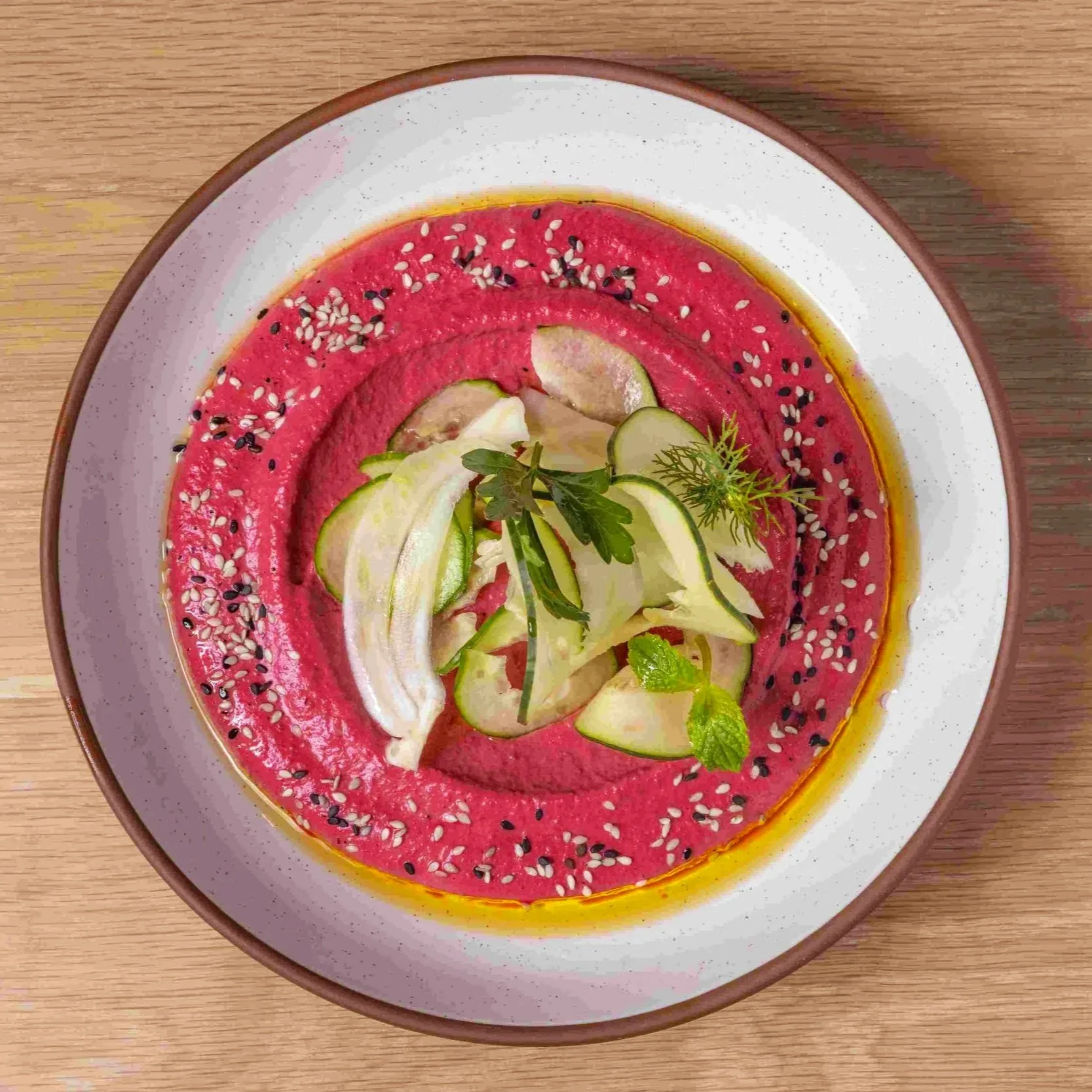
Beet hummus uses roasted beets blended into the chickpea base, which turns the dip a deep magenta color and adds a mild earthiness and sweetness that pairs well with the nuttiness of the tahini. The flavor is more complex than plain hummus and works especially well with goat cheese or walnuts on top.
Chipotle hummus adds a smoky, spiced element to the base. The chipotle pepper paste gives the hummus warmth and a slightly charred flavor that makes it work as a dip for grilled meats as much as for bread.
Olive and feta hummus layers salty, briny flavors on top of the creamy base. Kalamata olives and feta cheese both have strong individual flavors, but together with the hummus they create a richer, more savory result that feels closer to a full Mediterranean spread in a single bowl.
Hummus topped with spiced ground meat, sometimes called hummus with awarma or hummus with kofta, is a version common across Turkish and Lebanese restaurants. The warm meat is spooned over the cold or room-temperature hummus, and the contrast of temperatures and textures, soft dip with juicy, spiced meat, is one of the most satisfying combinations in Middle Eastern and Mediterranean food.
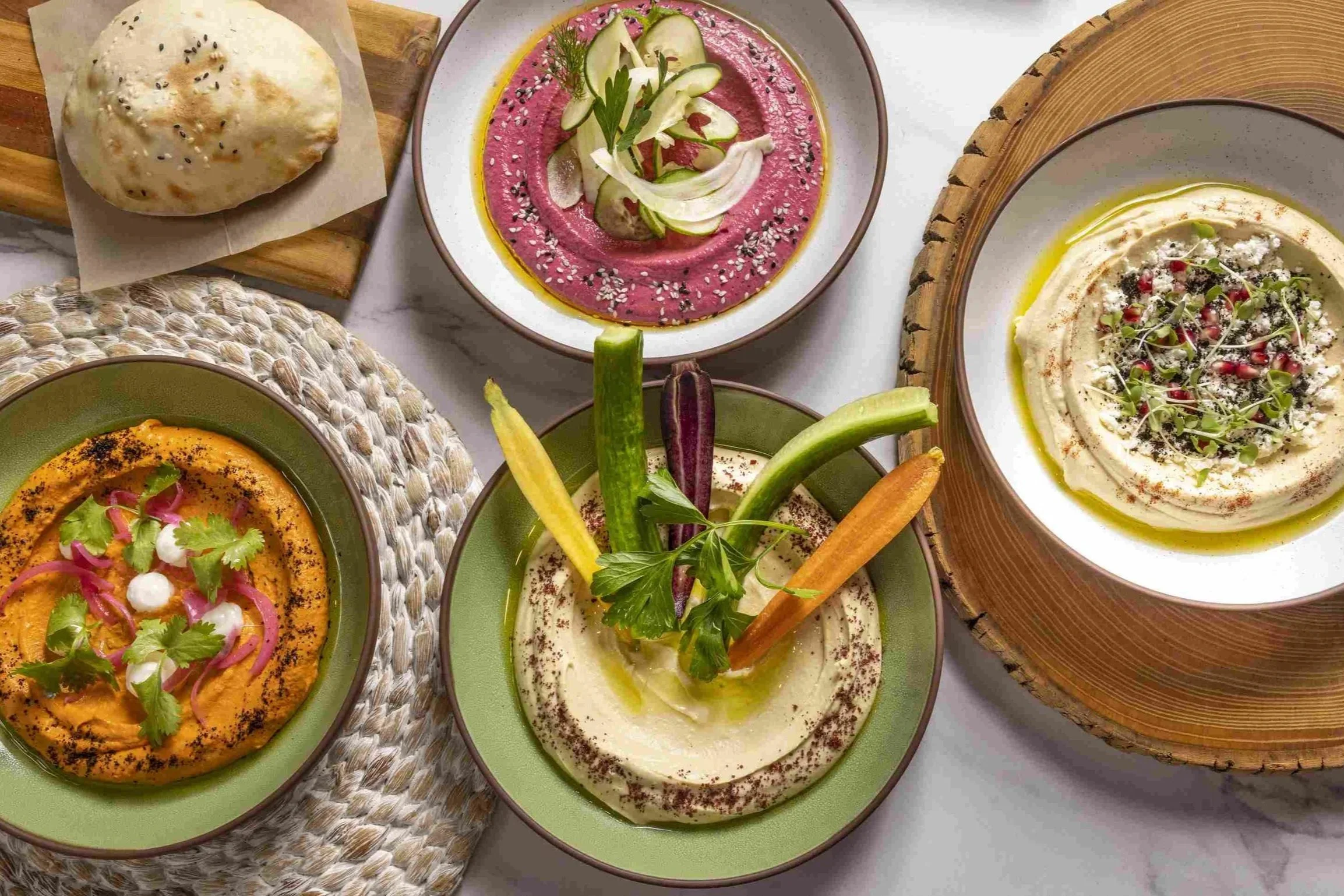
A hummus flight, which lets you try several varieties at once, is one of the best ways to experience the range of the dish without committing to just one bowl. Trying classic alongside chipotle alongside beet hummus shows how different each one feels even though they all start from the same foundation.
Tips for getting the most out of hummus when you eat it:
Let it come to room temperature before eating if it has been refrigerated, because the flavors are more pronounced when it is not cold
Use warm pita rather than cold or room-temperature pita, because the warmth makes the dip feel more cohesive
Try it with fresh vegetables like cucumber and carrot alongside the bread for a lighter option
Add a squeeze of extra lemon over the top before eating if you want more brightness
Eat it fresh, because hummus made the same day tastes noticeably better than hummus that has been sitting for two days
How Hummus Has Taken Over
Hummus went from a niche ingredient found only in specialty stores to one of the most purchased refrigerated dips in America in a relatively short period of time. That shift happened because people were looking for something that tasted good, felt satisfying, and did not come with the nutritional guilt of cheese-based dips or processed snack foods.
A standard serving of hummus provides plant protein from the chickpeas, healthy fat from the tahini and olive oil, and fiber that supports digestion and keeps you full. It is naturally gluten-free, naturally dairy-free, and works within a wide range of dietary preferences. For Bay Area foodies who want healthy dining options in San Francisco that do not feel like a compromise, hummus ticks every box.
The rise of hummus has also brought more attention to the broader Mediterranean and Middle Eastern food culture it comes from. People who started with hummus often found their way to falafel, to baba ghanoush, to grilled kebabs and warm pita, and eventually to the full dining experience at a Mediterranean restaurant. Hummus Mediterranean Restaurant in San Mateo, San Francisco, Palo Alto, and Mountain View is a place where that full experience comes together, from the first bowl of fresh hummus to the last sip of Turkish coffee.
Fresh hummus made with real ingredients at a restaurant that takes the dish seriously is a completely different food from what most people know. Once you have tried it that way, the grocery store version is never quite enough again.
