Nutritional Benefits of a Halal Diet
The word halal gets used a lot in conversations about food, but it is rarely explained beyond its religious meaning. Most people know that halal refers to food that is permissible under Islamic law, and they know it has something to do with how meat is prepared. What fewer people know is that the halal approach to food comes with a set of standards that have real, tangible effects on the nutritional quality of the food itself. The rules around what makes food halal are not arbitrary. They connect directly to cleanliness, animal welfare, ingredient purity, and the absence of harmful additives, all of which affect what ends up on your plate and how your body responds to it.
This guide is for anyone who wants to understand halal food beyond the label. Whether you eat halal for religious reasons, health reasons, or simply because you have started paying more attention to where your food comes from and how it is made, the nutritional case for a halal diet is worth understanding fully.
What Makes Food Halal and Why the Standards Matter
Halal is an Arabic word that means permissible or lawful. When applied to food, it covers a wide range of requirements that go beyond just the type of animal being eaten. The most well-known rule is that pork and its byproducts are not permitted. Alcohol is also prohibited, which affects not just beverages but also cooking methods and food additives that use alcohol as a carrier or preservative. Blood must be fully drained from the animal before the meat is processed, which is one of the requirements with the most direct nutritional implications.
The method of slaughter in halal practice involves cutting the main arteries in the neck of the animal while reciting a blessing. This method, when performed correctly, causes rapid blood loss and a quick loss of consciousness. The full drainage of blood from the carcass is a key part of what makes the meat halal, and this drainage has a meaningful effect on the final product. Blood is a medium in which bacteria multiply quickly. When blood is fully removed from the meat, the bacterial load in the tissue is significantly reduced compared to conventionally slaughtered meat where blood may remain in the muscle tissue. This translates to meat that is cleaner at a microbial level and has a longer natural shelf life before spoilage begins.
Halal standards also address what the animal was fed and how it was treated during its life. Animals raised for halal meat are required to be fed a natural diet free from certain prohibited substances and are not supposed to be raised in conditions of extreme stress or confinement that would compromise their health. While enforcement varies by producer and region, the underlying principle is that a healthy, naturally raised animal produces better quality meat with a cleaner nutritional profile than an animal raised in poor conditions on an artificial diet.
The prohibition on harmful substances in halal food extends to additives, preservatives, and processing aids. Any ingredient derived from prohibited sources is excluded, which often means that halal-certified processed foods have cleaner ingredient lists than their conventional equivalents. For people who want to reduce their intake of artificial additives and animal-derived ingredients of uncertain origin, halal certification provides a useful layer of transparency.
The Nutritional Profile of Halal Meat and Why It Is Different
The most direct nutritional benefit of halal meat relates to blood drainage. When blood is fully removed from the muscle tissue during slaughter, the resulting meat has a lower iron content in the form of heme iron compared to meat where blood has not been fully drained. This might sound counterintuitive since iron is a nutrient most people want more of, but the type and amount of iron in food matters as much as the total quantity. Heme iron from animal blood is absorbed very efficiently by the body, and for people who already have adequate iron levels, excessive heme iron intake from blood-rich meat has been associated in some research with increased oxidative stress in the body. Properly drained halal meat delivers iron through the muscle tissue itself rather than through residual blood, which provides a more moderate and controlled source.
The cleaner microbial profile of halal meat also has nutritional implications in the sense that meat with lower bacterial contamination at the point of processing is less likely to require heavy chemical treatment during production. Conventional meat processing sometimes involves antimicrobial washes and other chemical interventions to manage the bacterial load that results from incomplete blood drainage and high-volume processing environments. Halal meat that has been properly drained and handled tends to need fewer of these interventions, which means the final product is closer to the natural state of the protein with fewer processing residues.
From a macronutrient standpoint, halal meat is the same as any other meat of the same animal type and cut. Chicken breast is chicken breast in terms of its protein, fat, and calorie content regardless of how the animal was slaughtered. What halal certification changes is the purity and handling of that protein rather than its fundamental macronutrient composition. A halal chicken kebab and a conventional chicken kebab have approximately the same protein content, but the halal version carries a cleaner backstory in terms of how that protein was handled from farm to table.
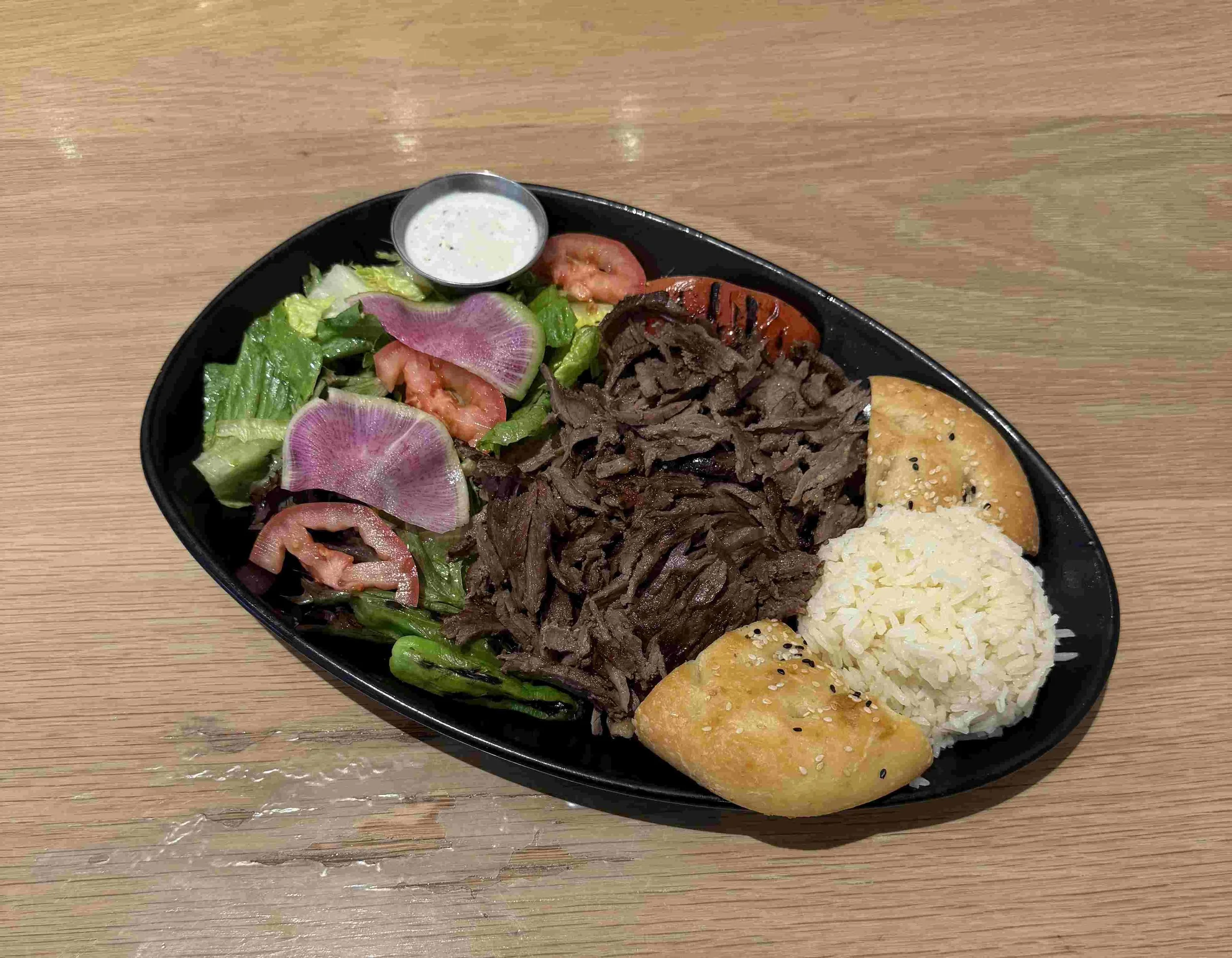
This is especially relevant in a cuisine context like Mediterranean and Turkish food, where grilled meats are central to the menu. At a halal Mediterranean restaurant, the kebabs, gyros, and other grilled proteins are built on a foundation of clean, properly handled meat that has not been treated with additives or fillers to compensate for lower quality at the source. The flavor of well-prepared halal meat from a restaurant that sources carefully is noticeably different from processed meat products, and that difference is both a taste and a nutritional one.
Halal Food and the Broader Mediterranean Diet Connection
The halal approach to food fits naturally within the broader framework of Mediterranean and Middle Eastern cuisine, and the nutritional benefits compound when the two are combined. Mediterranean food is already recognized as one of the most nutritionally complete dietary patterns in the world, built on a foundation of fresh vegetables, legumes, olive oil, whole grains, and lean proteins. When those proteins are also halal, the clean ingredient philosophy that defines Mediterranean cooking is extended all the way back to the source of the meat itself.
Halal Mediterranean food in San Francisco and across the Bay Area has grown significantly in demand over the past decade as more diners have become interested in both the ethical and nutritional dimensions of how their food is raised and prepared. People who might not eat halal for religious reasons are increasingly drawn to it for the same reasons they seek out organic produce or grass-fed beef. They want food that is cleaner, more transparent, and closer to its natural state.
Turkish and Greek Mediterranean cuisine already uses herbs, spices, and grilling techniques that produce flavorful food without relying on heavy sauces, fillers, or artificial flavor enhancers. Combined with halal meat, the result is a plate that delivers lean protein, complex carbohydrates from whole grains and legumes, healthy fat from olive oil, and a range of micronutrients from fresh vegetables and herbs, all without the additives and processing shortcuts that compromise the nutritional quality of a lot of restaurant food.
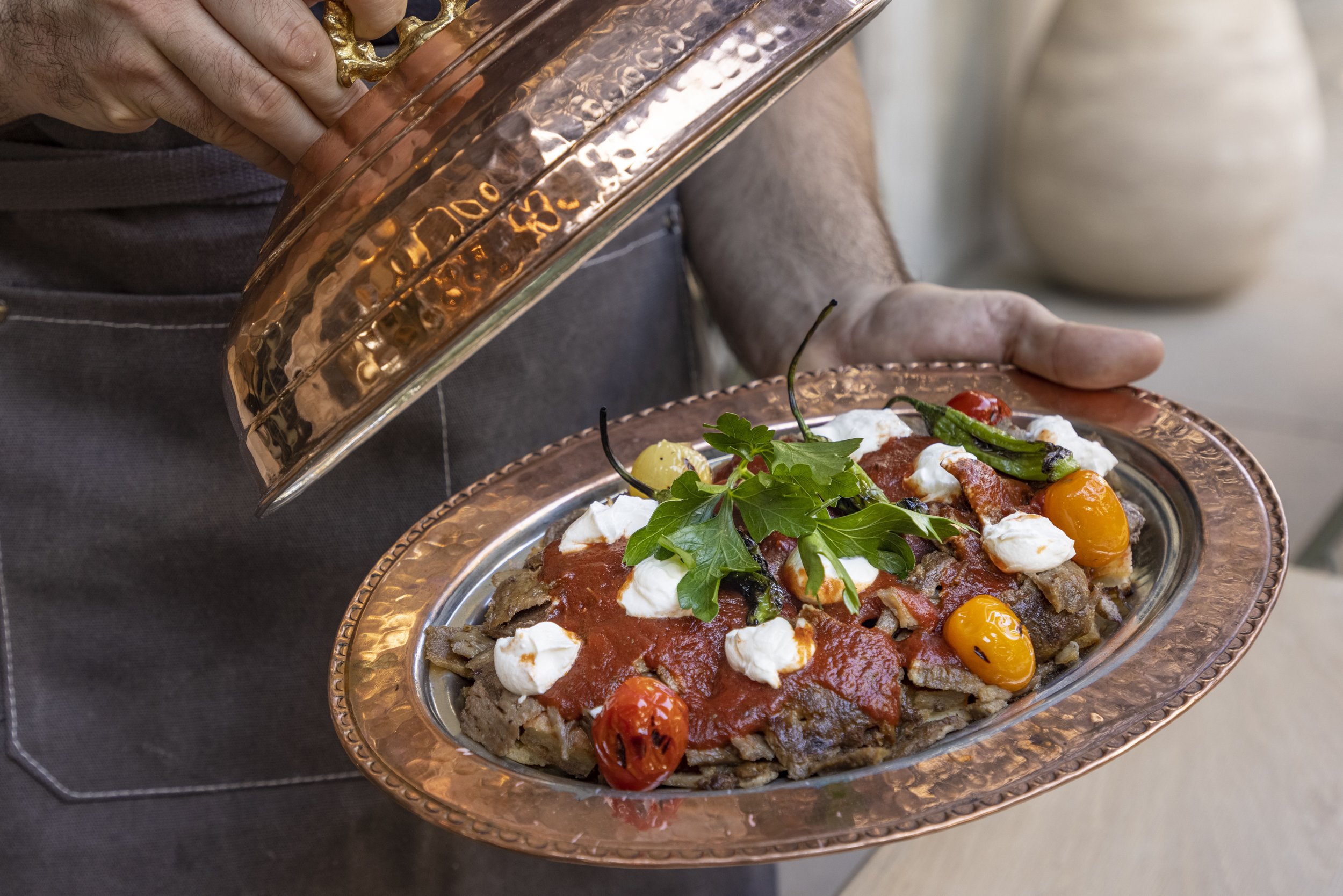
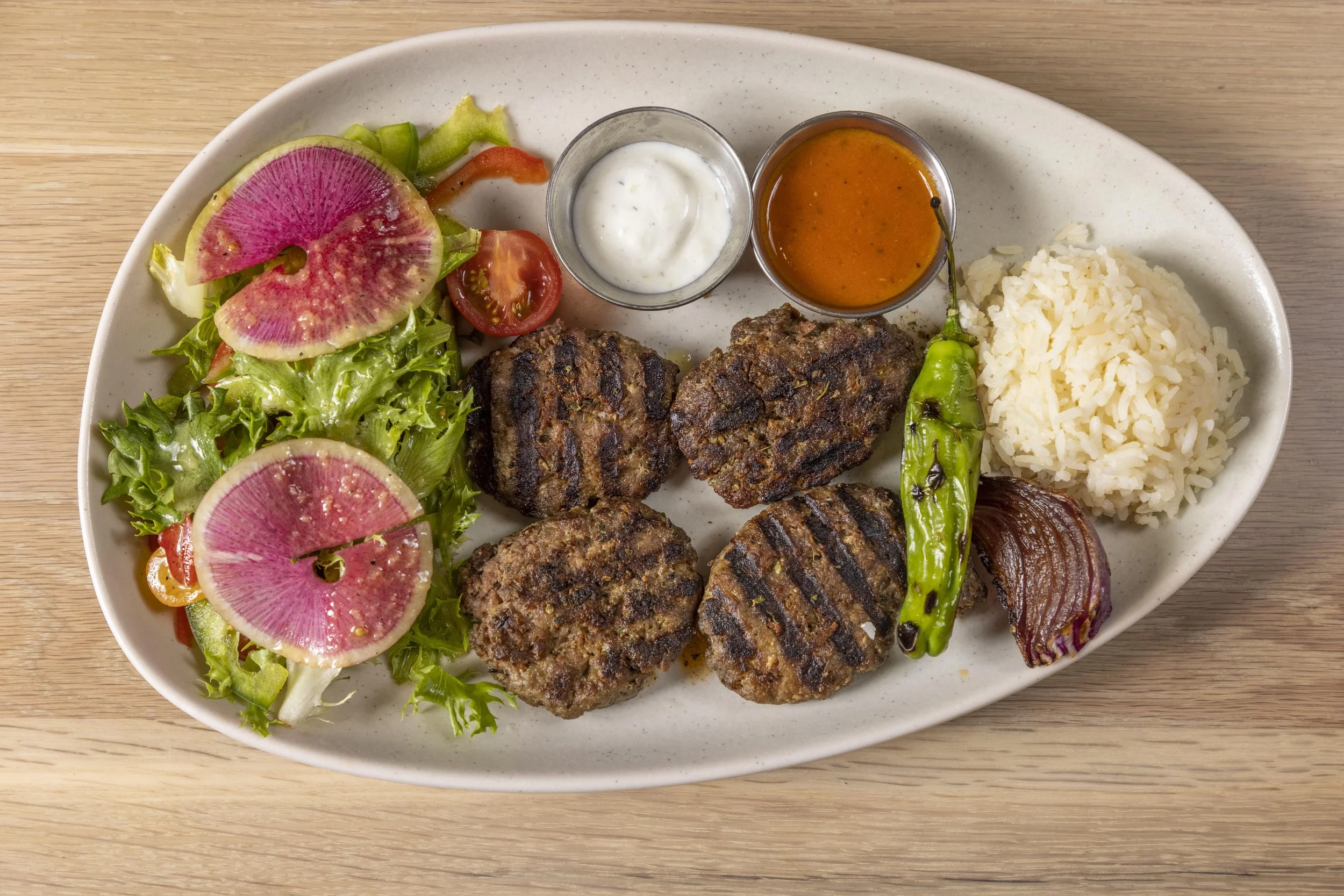
Dishes like lamb shish kebab, chicken kebab, lamb and beef gyros, and grilled koftedes at a Turkish and halal Mediterranean restaurant are examples of food that is both deeply satisfying and nutritionally sound. The meat is seasoned with herbs and spices, grilled over flame, and served with fresh accompaniments that round out the plate. There is no need for heavy sauces or artificial flavor because the quality of the ingredient and the simplicity of the preparation do all the work.
Hummus and other legume-based dishes that appear throughout the Mediterranean and Middle Eastern table add plant protein and fiber to meals that are already rich in animal protein from grilled meats. Chickpeas, which are the base of hummus, are naturally high in fiber, folate, and plant-based iron. Paired with tahini, which contributes calcium and healthy fat from sesame seeds, and olive oil, which adds monounsaturated fatty acids, hummus becomes a genuinely complete small dish rather than just a condiment. At a restaurant like Hummus Mediterranean Restaurant in San Mateo, San Francisco, Palo Alto, and Mountain View, hummus is treated with the seriousness it deserves, served fresh with warm pita and used as the starting point for a meal that builds in nutritional value from the first bite.
How to Eat Halal at a Mediterranean Restaurant and Get the Most Out of It
For anyone who wants to eat halal but is not sure where to start or how to navigate a menu, Mediterranean and Turkish restaurants are one of the most welcoming environments. The cuisine is naturally well-suited to halal requirements because it is built on grilled meats, fresh vegetables, legumes, and olive oil rather than on alcohol-based sauces, pork products, or heavily processed ingredients.
When dining at a halal Mediterranean restaurant, grilled proteins are the most straightforward choice. Chicken kebab, lamb shish kebab, grilled salmon, and lamb and beef gyros are all halal when sourced correctly, and they deliver lean protein in a form that is easy to digest and satisfying without being heavy. Pairing any of these with a fresh salad, a side of hummus, and warm pita creates a nutritionally complete meal that covers protein, healthy fat, fiber, and a full range of vegetables without any complicated planning.
For people who eat halal and are also trying to maintain a healthy weight or support specific health goals, Mediterranean cuisine makes that easy because the food is naturally lower in processed sugar and refined carbohydrates than most Western restaurant options. The emphasis on fresh ingredients and grilling over frying means that the calorie density of the food is appropriate to how filling it is, which is not always the case with cuisines that rely heavily on frying or cream-based sauces.
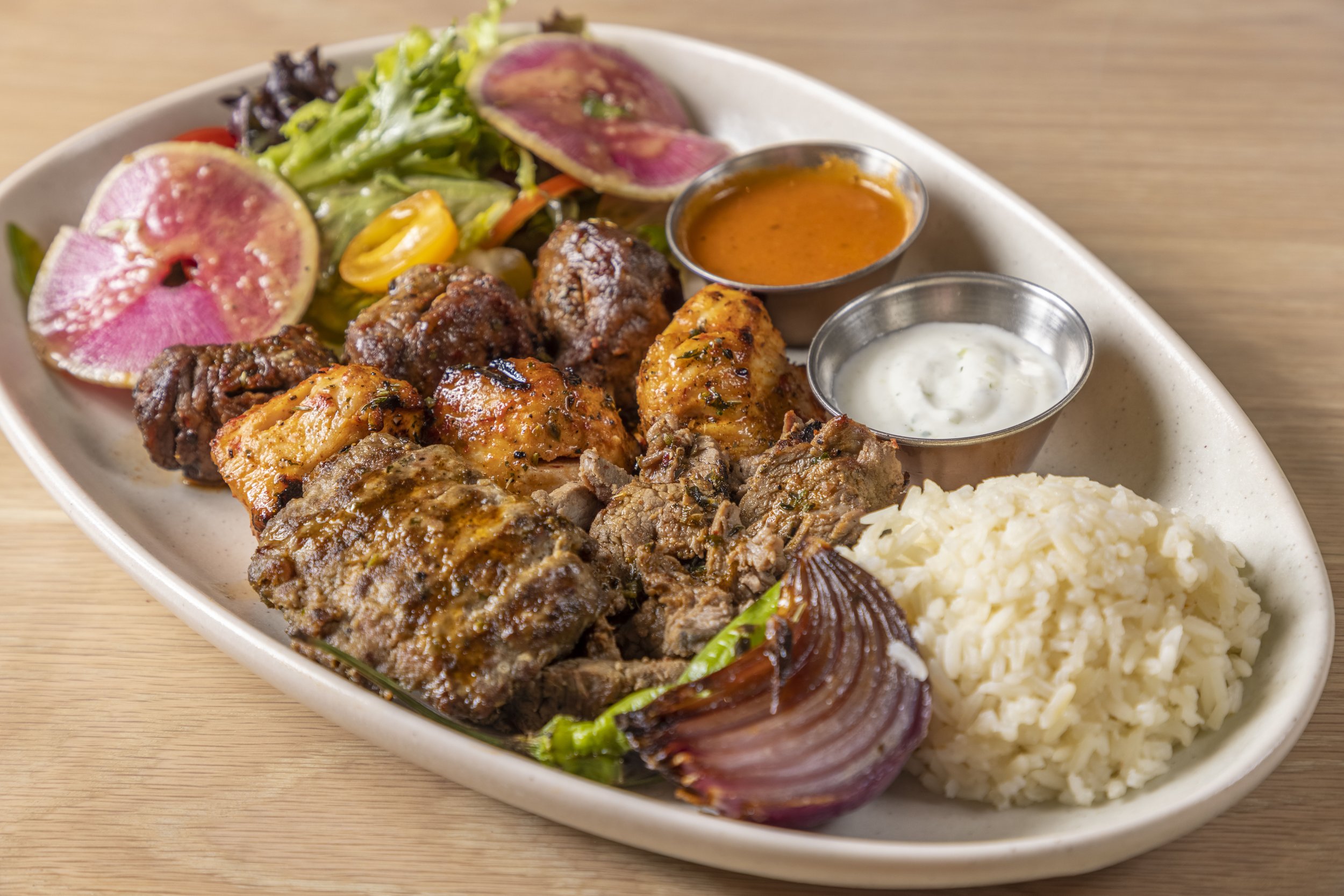
Hummus Mediterranean Restaurant across its Bay Area locations in San Mateo, San Francisco, Palo Alto, and Mountain View offers halal Mediterranean food in a setting that works for families, couples, and solo diners equally well. The menu is broad enough to accommodate different preferences and dietary needs while staying true to the Turkish and Mediterranean culinary tradition that makes the food so good in the first place.
Mediterranean food delivery in San Francisco and Mediterranean takeout across the Bay Area make it possible to eat halal and eat well on any night of the week without going out of your way. A halal kebab plate with fresh hummus, warm pita, and a Greek salad ordered for delivery is the same clean, nutritious meal whether it is eaten at a table in the restaurant or at home on a Wednesday evening. The halal standard does not change because the setting does, and that consistency is part of what makes halal food a reliable choice for people who care about what they eat every day, not just occasionally.
A halal diet, especially when combined with the fresh ingredients and clean cooking methods of Mediterranean and Turkish cuisine, represents one of the most complete and thoughtful approaches to eating available. It connects the quality of the animal at the source to the quality of the meal at the table, and it does so through a set of standards that prioritize cleanliness, naturalness, and the absence of harmful substances at every step. For Bay Area diners who want food that is honest about what it is and where it comes from, halal Mediterranean food is one of the clearest expressions of that value in the restaurant world today.
