
Different Types of Kebab
The word kebab is one of the most recognized food words on the planet. Say it in almost any country and people immediately know what you mean, or at least think they do. The reality is that kebab is not one dish. It is an entire family of dishes that spans centuries of cooking tradition across Turkey, the Middle East, Central Asia, the Mediterranean, and South Asia. Each type of kebab has its own preparation method, its own spice profile, its own cut of meat, and its own cultural context. Some are grilled on skewers over open flame. Some are slow-cooked on a vertical spit. Some are formed by hand and pressed flat. Some are wrapped in bread and eaten standing up. Some are plated with rice, salad, and sauces and eaten at a proper table.
If you have only ever tried one or two types, you have barely scratched the surface of what kebab actually is. This guide walks through the most important and widely loved types of kebab, explains what makes each one unique, and helps you understand what to look for when you order. By the end, you will have a much clearer picture of why kebab has earned its place as one of the most beloved foods in the world and why the best versions of these dishes are worth going out of your way for.
The Origins of Kebab and Why There Are So Many Varieties
The word kebab comes from an Arabic and Persian root meaning grilled meat or roasted meat, and the practice of cooking meat over fire on skewers is ancient. Archaeological evidence suggests that skewer cooking dates back thousands of years across the Middle East and Central Asia, where nomadic cultures needed efficient, portable ways to cook meat over open fires while traveling. As these cultures settled and their food traditions evolved, the basic technique of cooking meat over fire became more refined, more regionalized, and more varied.
Turkey played a particularly important role in the development of kebab as a culinary tradition. During the Ottoman Empire, the imperial kitchens in Istanbul employed hundreds of cooks and treated the preparation of grilled meats with tremendous seriousness. Different cities across the Ottoman Empire developed their own signature kebab styles based on local ingredients, local tastes, and local cooking methods. Many of the most famous kebab varieties still carry the names of the Turkish cities where they were created, such as Adana kebab, named after the city of Adana in southern Turkey, and Urfa kebab, named after the city of Şanlıurfa in southeastern Turkey.
The spread of Turkish and Ottoman food culture across the Middle East, North Africa, and southeastern Europe carried kebab traditions with it, and local cooks in each region adapted the techniques and seasonings to their own ingredients and palates. This is why you find versions of kebab in countries as far apart as Morocco and Afghanistan, each with its own character but all connected by the same fundamental idea of seasoned meat cooked over heat.
The Major Types of Kebab and What Sets Each One Apart
Shish kebab is probably the most widely known and most straightforwardly named variety. In Turkish, şiş means skewer, so şiş kebab literally means skewered meat. The traditional version uses cubes of lamb, though beef and chicken versions are equally common. The meat is marinated in a mixture that typically includes olive oil, lemon juice, garlic, onion, and a blend of spices that varies by region and cook but often includes cumin, paprika, and black pepper. The marinated cubes are threaded onto metal skewers, sometimes alternating with pieces of onion, tomato, or bell pepper, and grilled over hot coals or flame until the outside has a slight char and the inside remains juicy and tender.
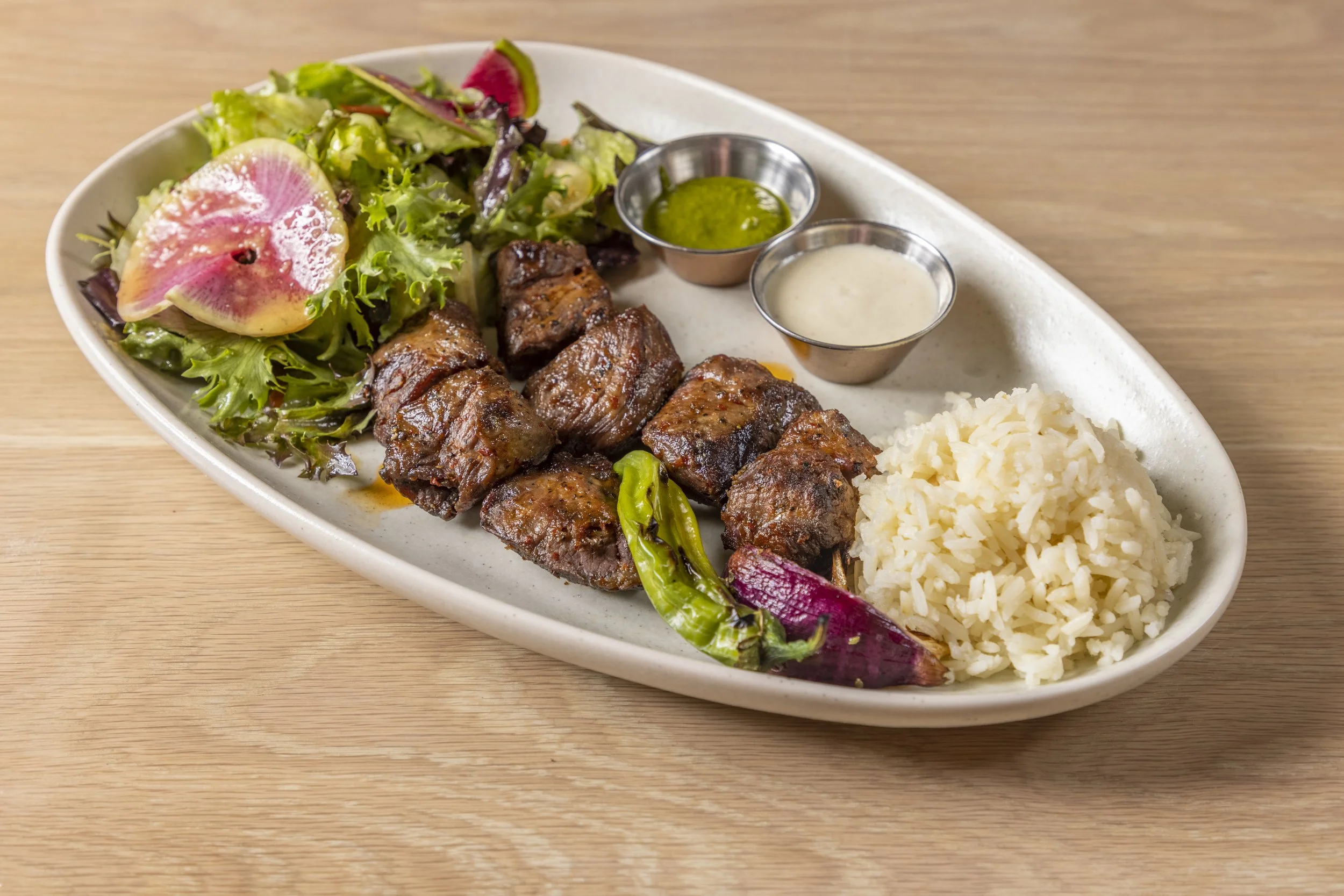
The quality of a shish kebab depends almost entirely on the quality of the meat and the marinade. Cheap versions use tougher cuts that become dry and chewy on the grill. A good shish kebab uses pieces cut from tender parts of the animal, marinated long enough for the flavors to penetrate deeply, and cooked quickly over high heat so the outside caramelizes without the inside drying out. When it is done right, each cube of meat has a smoky, slightly charred exterior and a soft, flavorful center that practically melts when you bite into it.
Adana kebab is one of the most distinctive and celebrated kebab varieties in Turkish cuisine. It is named after the city of Adana in the Çukurova region of southern Turkey, an area known for its spicy food and high-quality lamb. Adana kebab is made from finely minced lamb, sometimes mixed with lamb tail fat for richness, combined with a significant amount of red pepper, both sweet and hot varieties, along with garlic and a few other spices. The mixture is kneaded by hand for a long time until it becomes very smooth and slightly sticky, then pressed in long, thin shapes around wide flat skewers and grilled over charcoal. The result is a kebab with intense flavor, a slightly crispy exterior from the fat rendering out during cooking, and a soft, juicy interior that is noticeably spicier than most other varieties.
Urfa kebab is often discussed alongside Adana because the two are frequently served together and compared to each other. Urfa kebab, named after the city of Şanlıurfa, is made from a similar minced meat mixture but uses the dark, smoky, mildly spicy Urfa pepper rather than the sharper red pepper of Adana. The result is a kebab with a deeper, more complex flavor that is less sharp and more rounded than Adana. The color of Urfa kebab is darker, and the taste has hints of chocolate and dried fruit from the unique character of the Urfa pepper. Eating both side by side is one of the great small pleasures of Turkish food because they look similar but taste completely different.
Döner kebab is the type that most people in the Western world encounter first, often in a casual street food context. Döner means rotating in Turkish, which describes the cooking method exactly. Seasoned meat, most commonly lamb, beef, or chicken, is stacked onto a vertical rotating spit that turns slowly in front of a heat source. As the outer layer of the meat cooks through, it is shaved off in thin slices using a long, sharp knife and served immediately. The thin shaving from the rotating spit means the meat has crispy, caramelized edges with a tender interior. Döner is served in several ways, most commonly in a wrap with fresh vegetables and sauce, or on a plate with rice, salad, and yogurt.
The döner kebab is the direct ancestor of several other popular dishes. The Greek gyro, which is extremely popular across the Bay Area and in San Francisco restaurants, is a version of döner made with pork or a mixture of lamb and beef, seasoned in a slightly different way and typically served with tzatziki, tomato, and onion in thick pita. The shawarma of Lebanese and broader Middle Eastern cuisine is another döner relative, using different spice blends that include cinnamon, cardamom, and turmeric alongside the standard savory seasonings. All three share the rotating spit cooking method and the principle of shaving thin slices of cooked meat to order, but each has a distinct flavor identity shaped by its regional spice tradition.
Chicken döner has become one of the most popular versions for diners who prefer poultry, and a well-made chicken döner is genuinely excellent. The chicken thigh meat, which holds up better to the slow rotation and heat than breast meat, takes on the spice marinade deeply and produces slices that are juicy and flavorful with the same crispy exterior characteristic of good döner. Paired with a garlic yogurt sauce, fresh tomatoes, and warm lavash bread, a chicken döner wrap is one of the most satisfying quick meals in Mediterranean street food.
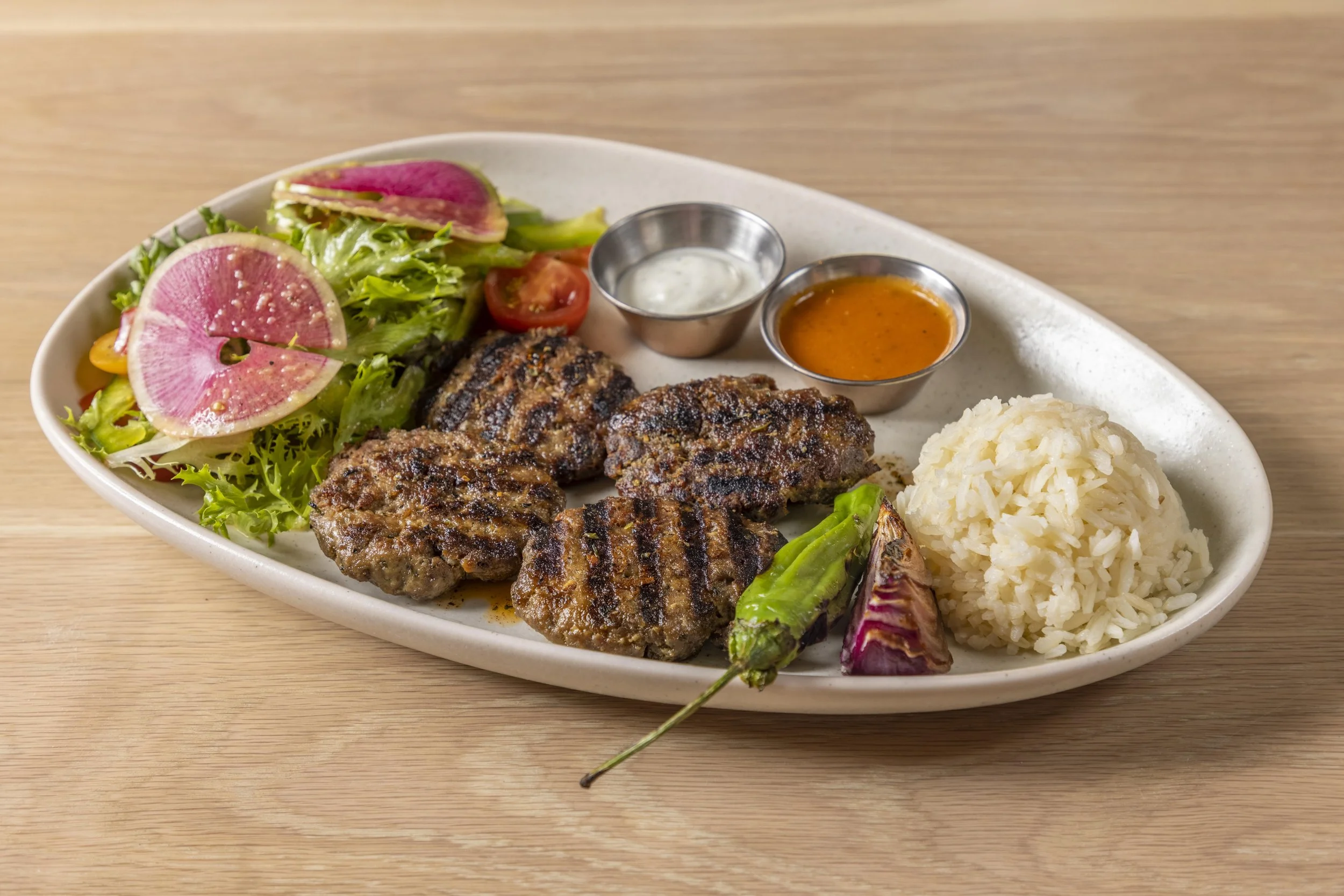
Kofta kebab, known as köfte in Turkish, is another major category that many people might not immediately recognize as a type of kebab. Kofta refers to ground or minced meat that has been seasoned and shaped, then cooked. In Turkish cuisine, köfte can be grilled on skewers like shish or Adana kebab, shaped into round patties and pan-fried, cooked in tomato sauce, or simmered in broth. The seasoning for köfte typically includes onion, parsley, cumin, and black pepper, sometimes with the addition of bread soaked in water to lighten the texture. Grilled köfte, called ızgara köfte, is served in almost every Turkish restaurant and represents one of the most accessible and universally loved versions of kebab for people who are new to Turkish food.
Chicken kebab in its cubed, skewered form is worth treating as a category in its own right because it behaves differently on the grill from lamb or beef. Chicken breast cubes, when marinated in olive oil, lemon, garlic, and herbs, cook faster and have a lighter flavor that makes them a natural pairing for brighter accompaniments like tabbouleh, fattoush salad, or a simple yogurt sauce with cucumber and dill. Chicken thigh cubes, by contrast, have more fat and therefore more forgiveness on the grill. They stay juicy even if cooking time extends slightly, and their flavor is richer and more savory than breast meat.
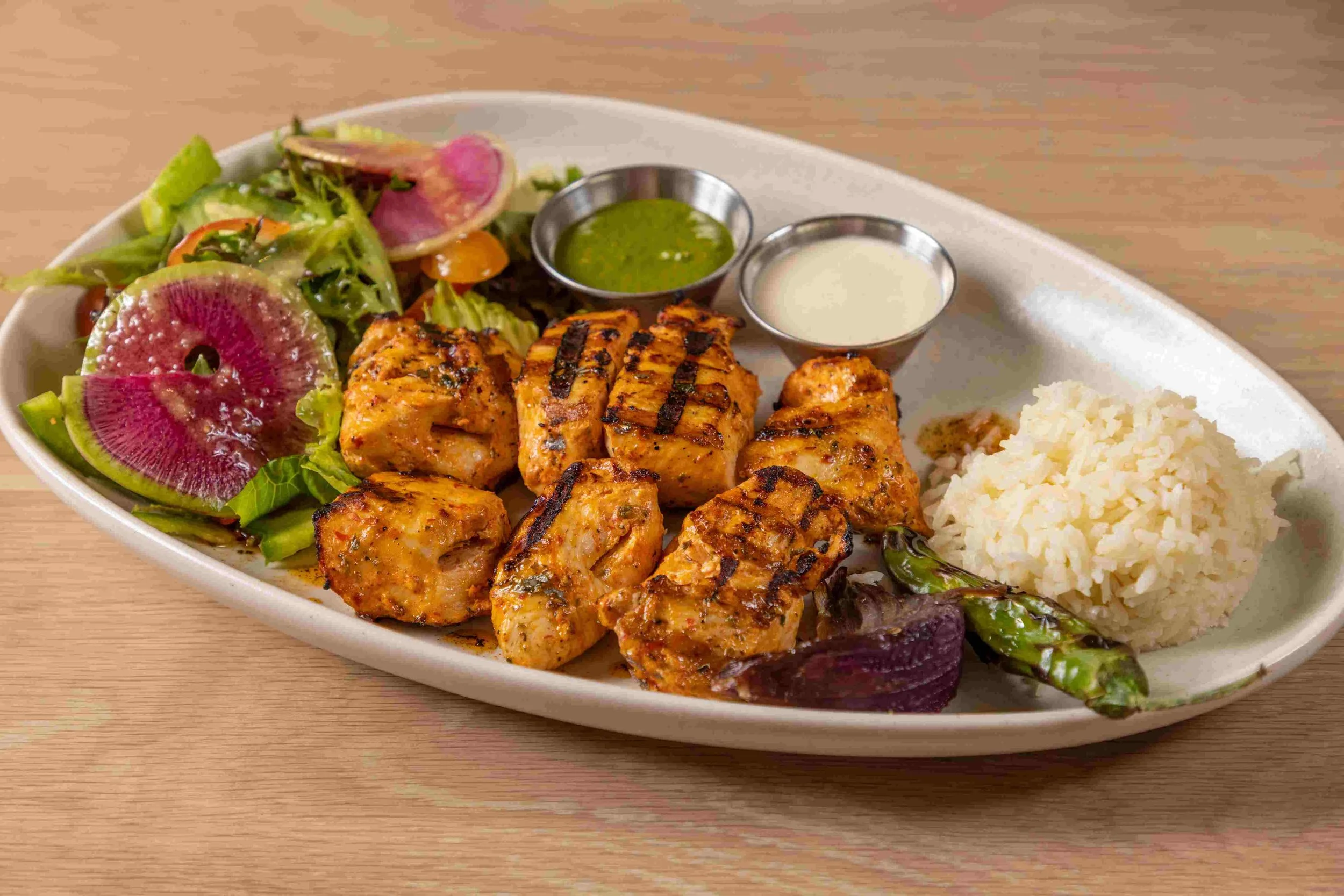
Shish taouk is a chicken kebab variety from Lebanese and broader Levantine cuisine that has become popular across Mediterranean restaurants worldwide. The marinade typically includes yogurt, lemon, garlic, tomato paste, and a spice blend that often includes allspice, cinnamon, and cardamom. The yogurt in the marinade tenderizes the chicken and helps it develop a beautiful golden color on the grill. Shish taouk is milder and slightly sweeter in flavor than Turkish-style chicken shish, and it is usually served with garlic sauce, known as toum, which is a whipped emulsion of garlic, lemon, and oil that is much more intensely garlicky than tzatziki.
What to Look for When Ordering Kebab and How to Get the Most Out of the Experience
Knowing the types of kebab is useful, but knowing how to evaluate what you are eating is equally valuable. A great kebab starts with quality meat. The animal should be well-raised and the cut appropriate for the cooking method. Meat that has been properly seasoned will have flavor throughout, not just on the exterior, which means the marinade had time to do its work before the meat reached the grill.
The grill itself matters enormously. Charcoal produces a depth of smoky flavor that gas grills simply cannot replicate, and the best Turkish and Mediterranean restaurants prioritize charcoal cooking for their kebabs. The heat should be high enough to create caramelization on the outside without overcooking the interior, which requires attention and experience from the cook. A kebab that is uniformly gray throughout has been overcooked. One that has a browned, slightly charred exterior and a different, more tender color inside has been cooked correctly.
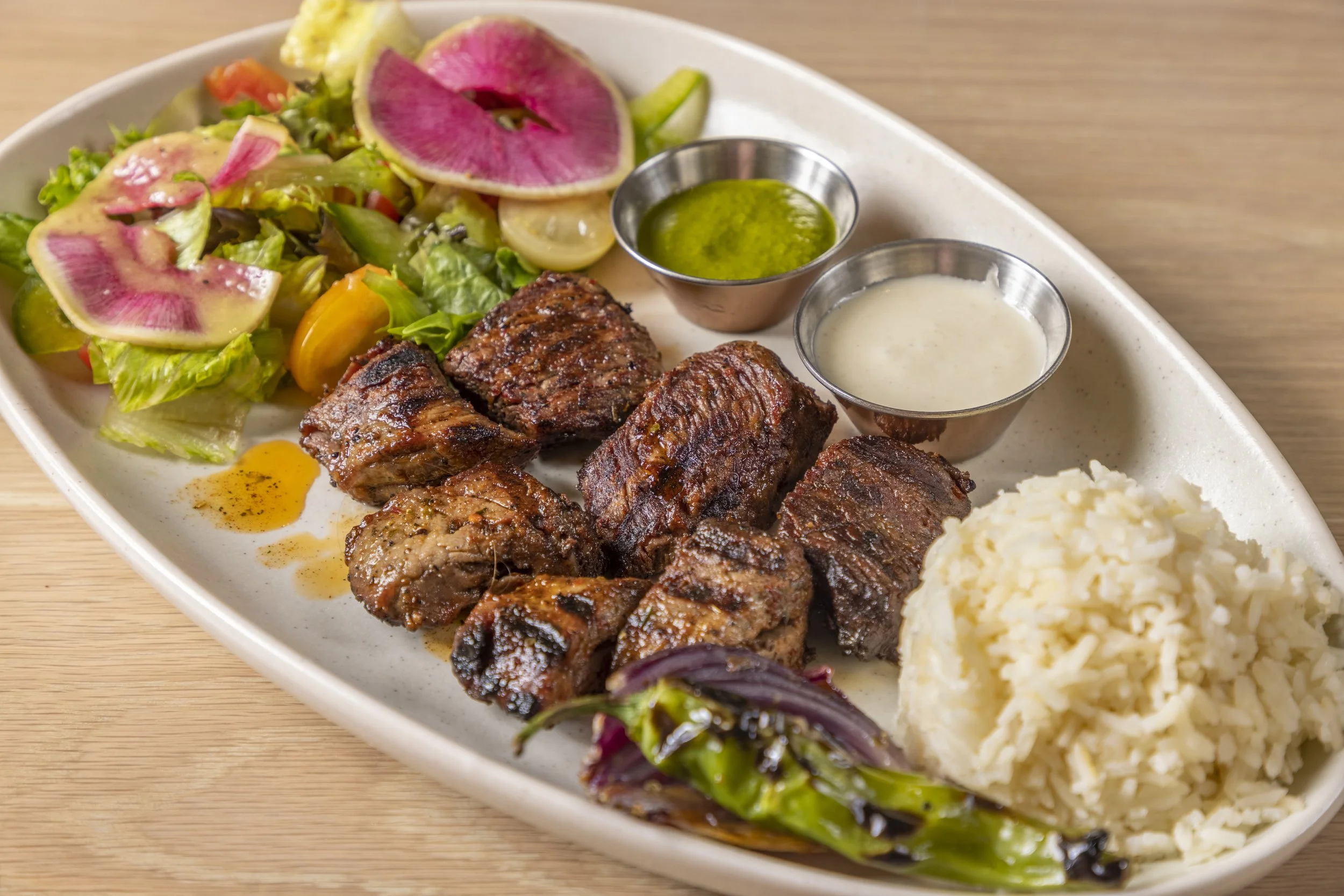
At Hummus Mediterranean Restaurant in San Mateo, San Francisco, Palo Alto, and Mountain View, the commitment to proper kebab preparation is part of what draws diners back repeatedly. Whether you are ordering for dine-in or picking up Mediterranean takeout for a weeknight dinner at home, the range of kebab options on the menu reflects the genuine depth of this food tradition. Trying different types across multiple visits is one of the most enjoyable ways to build a real appreciation for Turkish and Mediterranean cuisine, because each type teaches you something new about what this food is capable of.
For anyone in the Bay Area who has been curious about expanding their kebab vocabulary beyond the familiar options, the variety available at a well-stocked Turkish and Mediterranean restaurant is the best classroom there is. Order something you have not tried before. Pay attention to the texture and the seasoning. Notice how the spice blend changes the character of the meat. And if you have never had an Adana kebab next to a shish kebab on the same plate, that comparison alone is worth making a reservation for.
