A Taste of Mediterranean Breakfast: What It Is and Why It Feels So Different
Most people have a breakfast routine that involves some version of speed. A piece of toast, a bowl of cereal, maybe a coffee grabbed on the way out the door. Breakfast in a lot of modern Western households is the meal that gets the least attention and the least time. Mediterranean and Turkish breakfast culture is the complete opposite of that. In countries like Turkey, Greece, Lebanon, and across the broader Mediterranean region, breakfast is treated as a genuine meal, something worth sitting down for, worth preparing carefully, and worth sharing with other people. It is often the most elaborate meal of the day, not because of any single dish but because of the sheer variety of things that arrive at the table together.

Understanding Mediterranean breakfast means understanding a different relationship with the morning itself. The food is real, meaning it is made from ingredients that have been around for thousands of years, prepared simply and served generously. There are no processed cereals, no sugary pastries from a package, no meal replacement bars. There is bread, cheese, eggs, olives, vegetables, preserves, and a pot of tea that keeps getting refilled. It is the kind of breakfast that actually prepares you for the day ahead because it covers every nutritional base without making you think about nutrition at all. It just tastes good and fills you up the right way.
What a Traditional Turkish Breakfast Looks Like
Turkish breakfast, known in Turkish as kahvaltı, which loosely translates to before coffee or what you eat before coffee, is one of the most celebrated morning traditions in the world. If you have never experienced a full Turkish breakfast spread, the first time can feel almost overwhelming in the best possible way. The table does not have one or two items on it. It has many, all served simultaneously in small dishes, and the idea is to graze through all of them slowly over the course of an extended morning meal.
A traditional Turkish breakfast spread starts with several types of cheese. White cheese, similar to feta but creamier and less salty, is a staple. Aged yellow cheese also appears regularly, along with fresh cheese varieties specific to different regions of Turkey. Alongside the cheese come olives, both black and green, cured and seasoned in different ways. Sliced tomatoes and cucumbers are always present because Turkish breakfast culture treats vegetables as natural morning food rather than something reserved for lunch or dinner. Fresh herbs like parsley or dill often appear on the side as well.
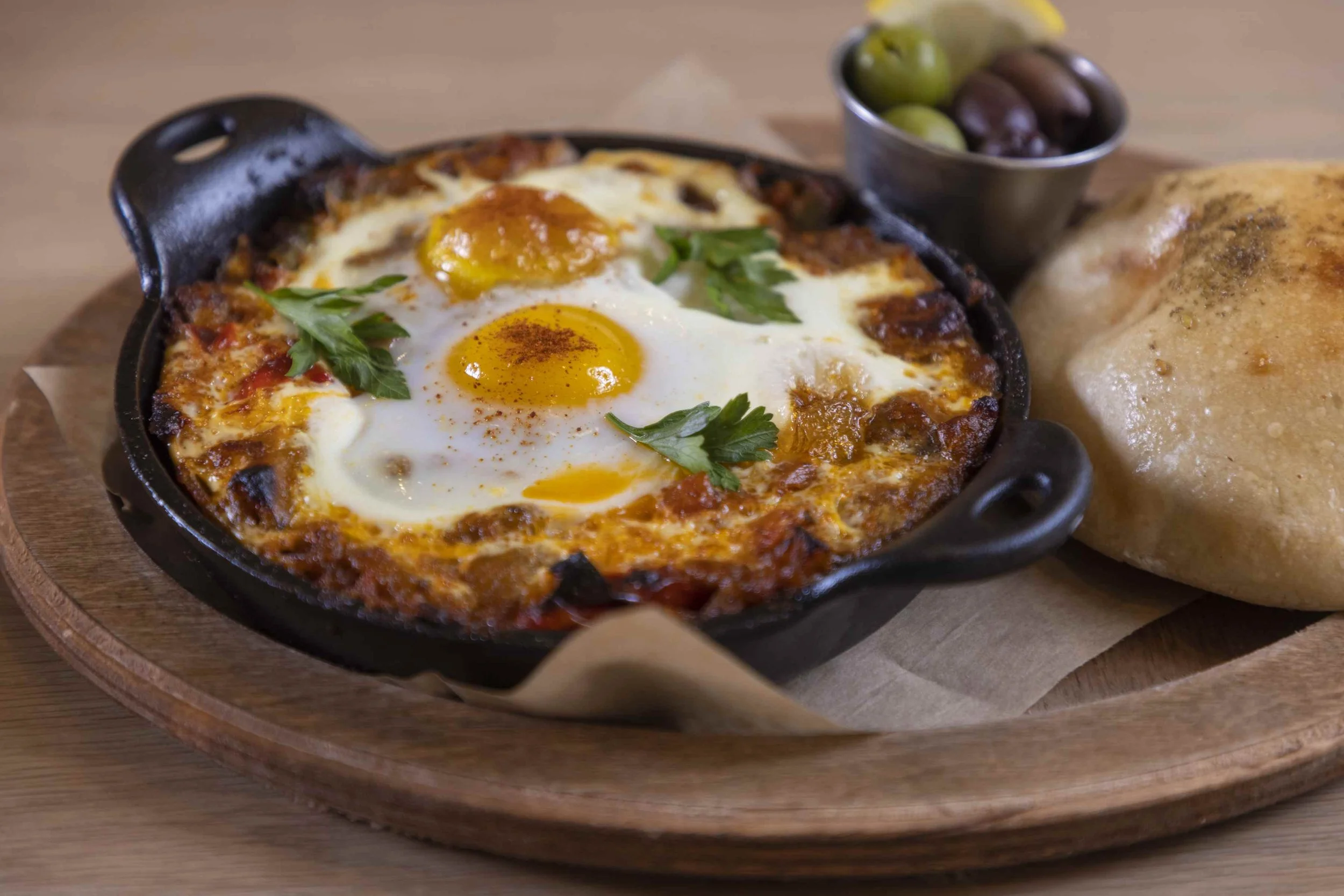
Eggs are central to Turkish breakfast but not in the simple scrambled or fried form that most Western breakfasts default to. Menemen is one of the most beloved Turkish egg dishes and involves soft-scrambled eggs cooked together with tomatoes, onion, and sauteed peppers until everything is barely set and deeply flavorful. The result is somewhere between scrambled eggs and a vegetable stew, warm and savory and completely satisfying eaten with fresh bread. Shakshuka, which has roots in North African and Middle Eastern cooking but appears widely across Turkish and Mediterranean menus, uses a different approach by poaching eggs directly in a spiced tomato and pepper sauce rather than scrambling them. The eggs sit in the sauce with their yolks still slightly soft, and the whole dish is scooped up with bread in the same way you would eat a dip.
Sucuk, which is a cured Turkish beef sausage seasoned with garlic, cumin, and red pepper, is another key element of the Turkish breakfast table. It is cooked in a pan until the edges crisp and the fat renders out, and it has a deeply savory, slightly spicy flavor that pairs extremely well with eggs. Scrambled eggs cooked with sucuk, known as sucuklu yumurta, is one of the most popular Turkish breakfast dishes and appears on breakfast menus across Turkey and at Turkish restaurants outside the country. The combination of the rich egg and the intensely seasoned sausage is one of those pairings that feels obvious once you have tried it but surprising the first time.
Bread is the thing that holds a Turkish breakfast together. Fresh bread, either a soft white loaf called ekmek or a ring-shaped sesame bread called simit, is essential. Simit is one of the most iconic Turkish street foods and breakfast items, a circular bread covered in sesame seeds with a slightly crunchy exterior and a chewy interior. It is sold from carts on street corners across Turkish cities every morning and is eaten with white cheese and tea as one of the simplest and most satisfying breakfasts imaginable.
Sweet elements also have a place at the Turkish breakfast table. Honey, especially the clotted cream and honey combination known as bal kaymak, is a beloved pairing that represents one of the quiet pleasures of the Turkish morning meal. Kaymak is a thick, rich clotted cream made from water buffalo milk in its most traditional form, with a texture somewhere between butter and whipped cream and a mild, slightly tangy flavor. Spread on fresh bread with a generous drizzle of honey on top, it is the kind of thing that makes you understand why Turkish people treat breakfast as a meal worth taking time over. Fruit preserves and jams also appear regularly, made from seasonal fruits like fig, rose hip, and sour cherry, and these are spread on bread alongside or instead of the honey and cream.
The Greek and Broader Mediterranean Take on Breakfast
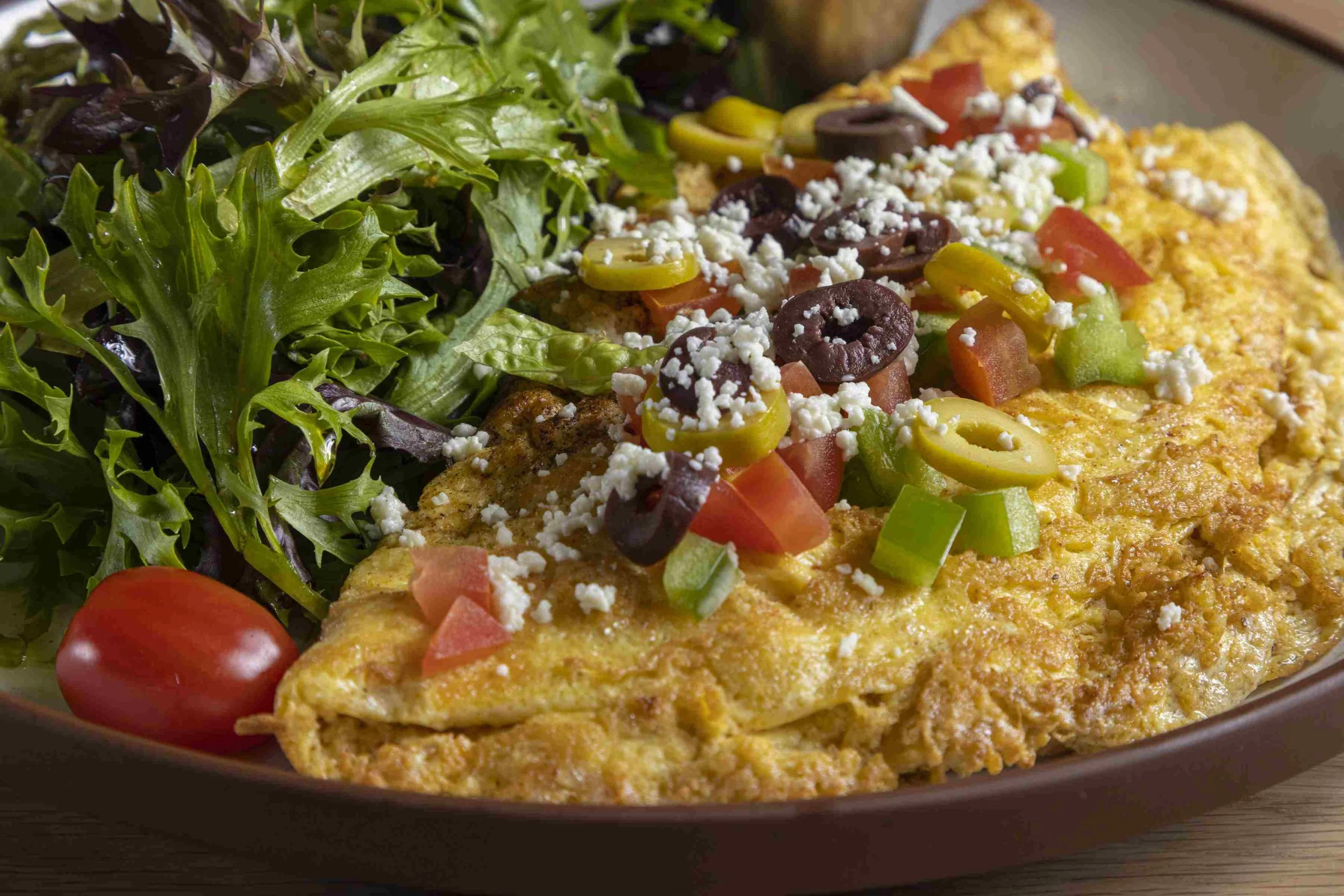
Greek breakfast tradition shares some elements with Turkish breakfast but has its own distinct character shaped by Greek ingredients and Greek food culture. Cheese is equally central, with feta appearing in many forms at the Greek breakfast table, sometimes eaten plain with olives and bread, sometimes baked inside pastry as spanakopita or tiropita, and sometimes crumbled over eggs or vegetables. The Greek omelet, made with tomato, feta, kalamata olives, and oregano, is a perfect expression of how Greek breakfast cooking combines simple, high-quality ingredients into something that tastes more complex than it actually is.
Spanakopita, the savory pastry made from layers of crispy filo dough filled with spinach and feta cheese, appears at Greek breakfast and brunch tables and has become one of the most recognized Greek foods in the world. The contrast between the shatteringly thin, buttery filo layers and the creamy, savory filling inside is one of the more pleasurable textural experiences in Mediterranean cooking. It works equally well at breakfast, lunch, or as a snack at any point in the day.
Yogurt plays an important role in Greek morning eating in a way that differs slightly from the Turkish breakfast tradition. Greek yogurt, which is thicker and creamier than most other varieties because of its straining process, is eaten with honey and walnuts as a classic breakfast combination that is both deeply satisfying and nutritionally sound. The protein content of strained Greek yogurt is high enough to sustain energy through the morning, and the natural fat and sweetness from the honey make it feel indulgent even though it is one of the cleaner breakfast options available.
Lebanese and broader Middle Eastern breakfast traditions also contribute significantly to the picture of what Mediterranean morning eating looks like. Ful medames, a dish of cooked fava beans seasoned with olive oil, lemon, garlic, and cumin, is one of the oldest breakfast foods in the world and is still eaten for breakfast across Lebanon, Egypt, Syria, and neighboring countries every morning. It is earthy, filling, and deeply savory, and it is spread on bread or eaten with a spoon directly from the bowl. Za'atar, a blend of dried thyme, sumac, sesame seeds, and salt, mixed with olive oil and spread on fresh flatbread, is another quintessential Middle Eastern breakfast component that carries a lot of flavor in a very simple preparation.
The Egg Dishes That Define Mediterranean Breakfast
Eggs are treated with far more creativity in Mediterranean breakfast cooking than they are in most Western contexts, and understanding the different preparations helps explain why Mediterranean breakfast feels so much more interesting than what most people eat in the morning.
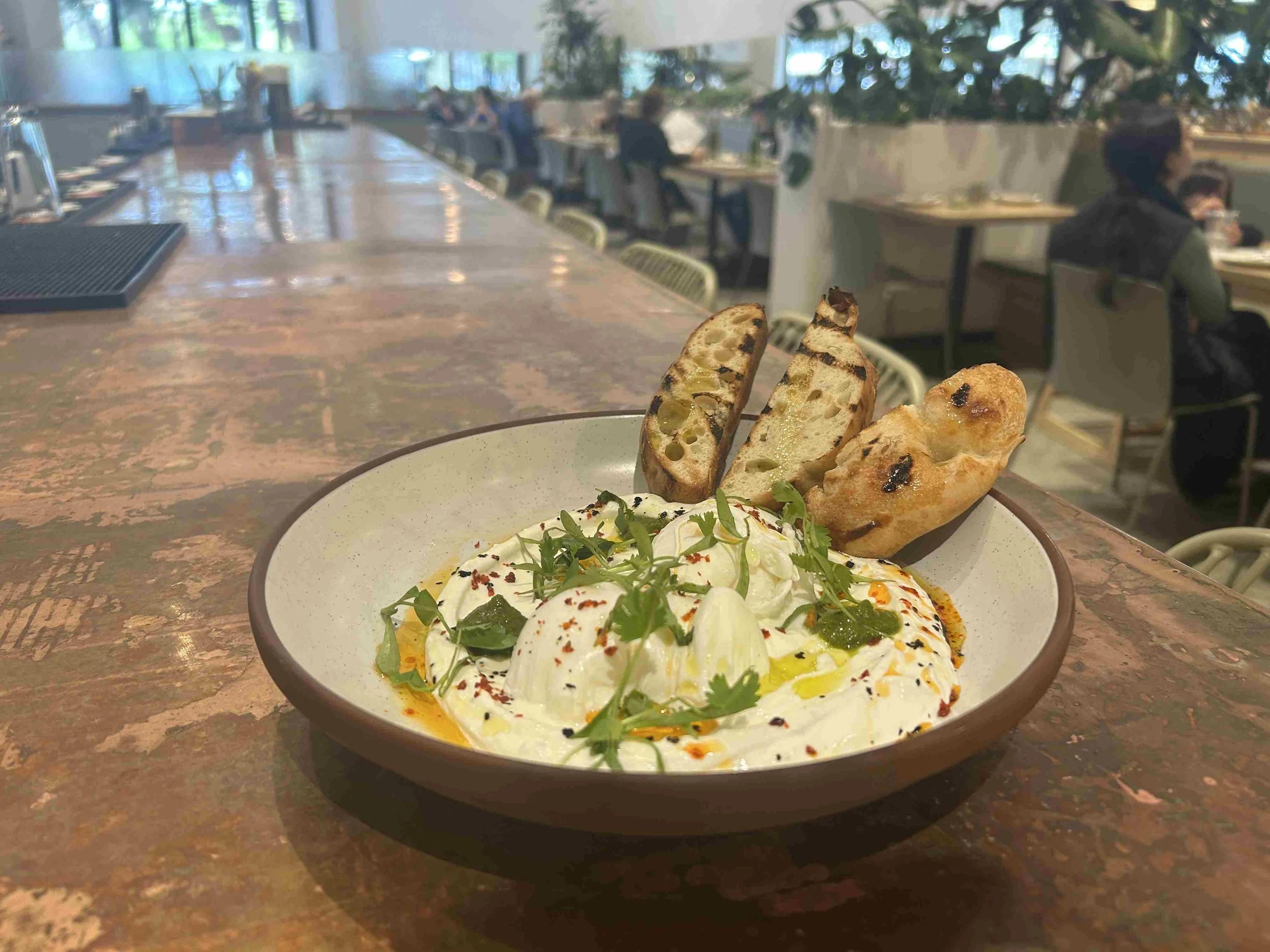
Çılbır is a Turkish egg dish that many people outside of Turkey have never encountered but that represents one of the most sophisticated uses of eggs in any breakfast tradition. The dish consists of eggs poached in water until the whites are just set and the yolks remain runny, then placed on a bed of garlic-seasoned labne, which is a strained yogurt with a thick, creamy texture and a mild tanginess. The eggs and yogurt are then finished with a drizzle of spiced butter or chili oil and sometimes a sprinkle of sumac or dried herbs. The combination of the warm, runny egg breaking into the cool, creamy yogurt with the heat of the chili oil and the brightness of the sumac creates a series of flavors and temperatures that feel genuinely exciting in a way that plain eggs on toast simply cannot match.
Menemen, the soft-scrambled egg and vegetable dish mentioned earlier, deserves more detailed description because the technique behind it is part of what makes it so good. Unlike traditional French-style scrambled eggs, which are cooked gently and kept very soft and custardy, menemen is cooked over medium heat and stirred less frequently, allowing the eggs to set in larger, irregular pieces that remain moist and tender against the tomato and pepper base. The vegetables are cooked first until soft and fragrant before the eggs are added, which means the whole dish has a depth of flavor that comes from the vegetables having time to develop their sweetness and acidity in the pan. Adding crumbled white cheese or sucuk to menemen turns it into an even more substantial breakfast that carries you through the morning without any difficulty.
Shakshuka, while associated most strongly with North African and Israeli cuisine, has a long history across the Mediterranean and Middle Eastern food world and appears at Turkish breakfast tables as well. The base of the dish is a thick, slow-cooked sauce made from tomatoes, bell peppers, onion, garlic, and spices including cumin, paprika, and sometimes a touch of cinnamon. Eggs are cracked directly into wells made in the sauce and covered until the whites set while the yolks remain soft. The entire pan comes to the table with fresh bread for scooping, and the combination of the spiced sauce with the barely-cooked egg is one of the most satisfying breakfast experiences in Mediterranean cooking.
Why Mediterranean Breakfast Has Become So Popular Outside the Region
The growing interest in Mediterranean breakfast across the Bay Area and in cities like San Francisco reflects a broader shift in how people think about morning meals. More people are looking for breakfasts that are genuinely nutritious, made from real ingredients, and satisfying enough to keep them going until lunch without reaching for snacks. Mediterranean breakfast delivers all of that while also being more flavorful and more interesting than most of the alternatives.
The variety of a traditional Mediterranean breakfast spread means that people with different preferences can all find something they enjoy at the same table. Someone who wants something light can focus on the fresh vegetables, cheese, and olives with bread. Someone who wants something more substantial can build a plate around eggs and sucuk or a warm shakshuka. The flexibility of the spread format makes it ideal for groups, families, couples, and solo diners alike.
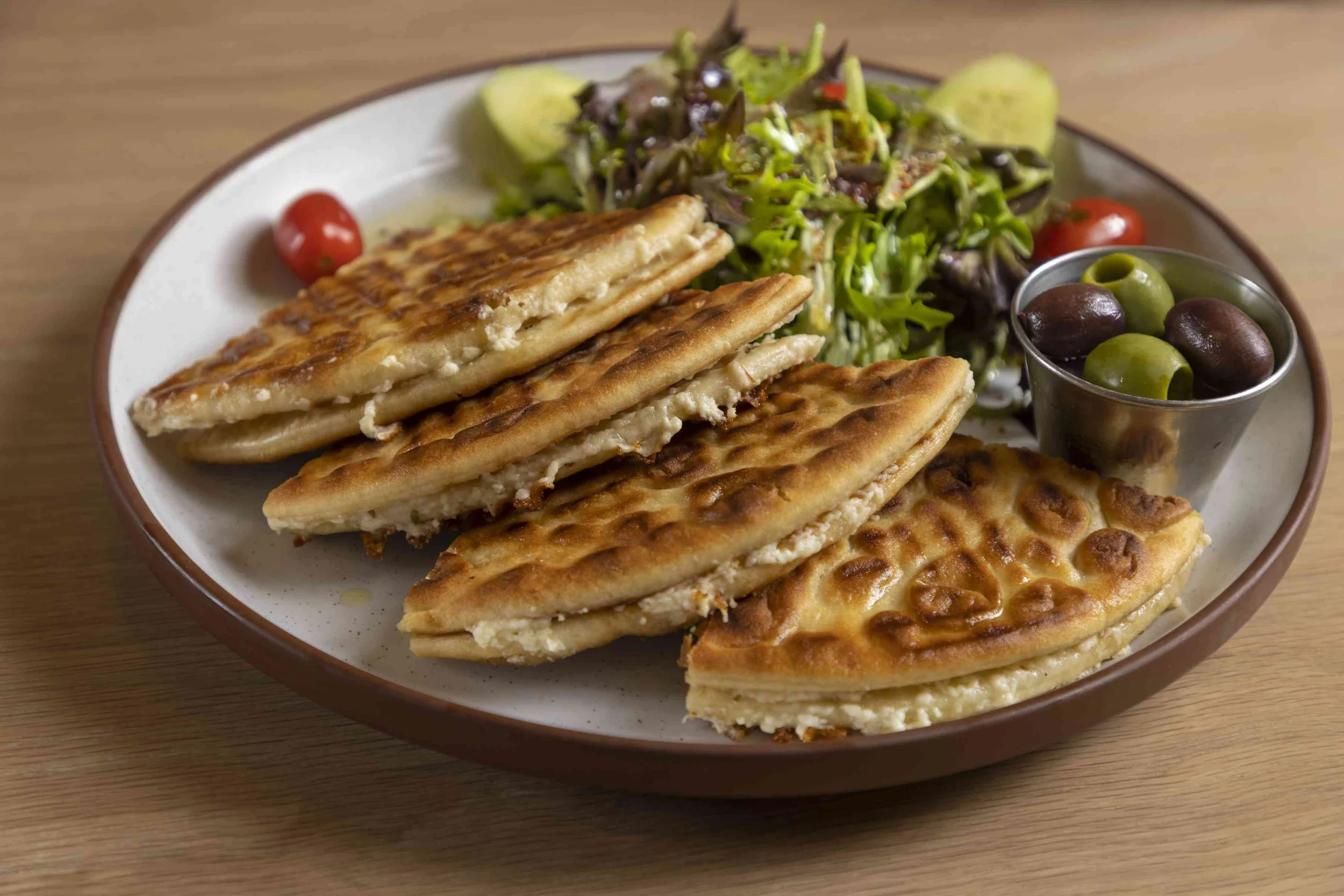
At Hummus Mediterranean Restaurant in San Mateo, San Francisco, Palo Alto, and Mountain View, the Mediterranean breakfast menu is available on weekends and reflects this same philosophy of variety, freshness, and genuine flavor. Dishes like menemen, shakshuka, çılbır, sucuk with eggs, and the breakfast board bring the full Turkish and Mediterranean morning experience to the Bay Area in a way that feels authentic and approachable at the same time.
For Bay Area foodies who have been eating the same breakfast every morning and wondering if there is something better out there, Mediterranean breakfast culture is worth exploring. It is not just about the food, though the food is genuinely excellent. It is about treating the morning as time worth spending rather than time to get through as quickly as possible. When you sit down to a table covered in small dishes of cheese, olives, fresh bread, and eggs prepared with care, the pace of the morning shifts in a way that feels good for more than just your appetite. That is the real tradition behind Mediterranean breakfast, and it is one that travels very well.
