
Turkish Pide and Pizza: What Makes Them Different?
At first glance, Turkish pide and Italian pizza look like cousins. Both involve a dough base topped with ingredients and baked in a hot oven. Both are served flat, meant to be shared, and eaten warm. Both have become loved far beyond the borders of the country that created them. So it is understandable that people sometimes treat them as variations of the same idea, or assume that pide is just a Turkish version of pizza with a different name. That assumption, while reasonable on the surface, misses a lot of what makes pide genuinely its own thing. The dough is different. The shape is different. The toppings are different. The texture is different. The way it is eaten is different. And the food culture it comes from is completely different.
This guide is for anyone who has wondered what separates these two beloved baked dishes, either because they encountered pide for the first time at a Turkish restaurant and wanted to understand it better, or because they have been eating pizza their whole life and are curious about how another culture solved the same basic culinary puzzle of dough plus toppings plus heat.
The Origins of Pide and What It Actually Is
Pide is one of the oldest baked breads in Turkish cuisine. The word itself simply means flatbread in Turkish, and in its most basic form it is the soft, oval-shaped bread that has been baked in Turkish homes and bakeries for centuries. During Ramadan, pide bakeries across Turkey produce enormous quantities of a specific variety called ramazan pidesi, a round, dimpled flatbread brushed with egg wash and sprinkled with sesame seeds, which families buy fresh every evening to break their fast. This version is pure bread, no toppings, and it is one of the most beloved seasonal foods in Turkish culture.
The version that most non-Turkish people encounter at a restaurant, however, is the stuffed or topped pide that comes from the Black Sea region of Turkey, particularly from the city of Trabzon, which is considered the spiritual home of pide as a topped dish. This version uses a soft, slightly chewy dough that is rolled into an elongated oval shape, loaded with fillings, and then folded or pinched at the edges to create a boat-like form that holds the toppings in place during baking. The resulting shape is distinctive, narrow at both pointed ends and wider in the middle, and it comes out of the oven with a slight char on the base and a golden, sometimes bubbling surface on top.
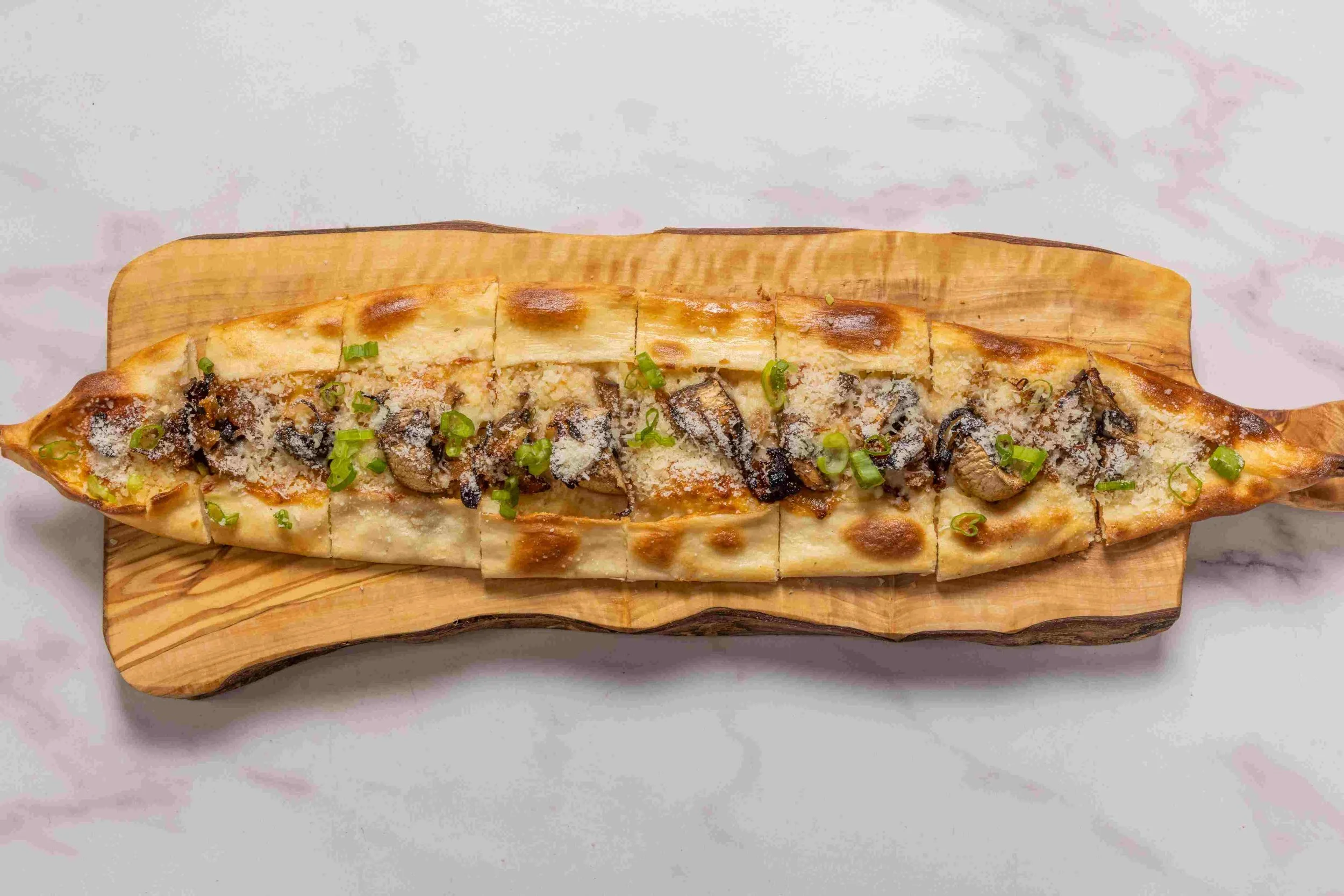
The dough for pide is made from wheat flour, water, yeast, salt, and a small amount of oil or butter. It is softer and more pliable than most pizza doughs because it is not meant to be stretched thin. Pide dough has a slight chew, a tender interior, and a base that stays soft rather than crisping up the way a thin pizza crust does. When you tear the edge of a well-made pide, it pulls apart in soft, slightly airy layers that are satisfying in a completely different way from a crispy pizza crust.
The baking method also differs from pizza in most restaurant contexts. Pide is traditionally baked in a wood-fired or stone oven at high heat, similar to pizza, but the goal is a slightly softer result rather than a charred, cracker-like base. The combination of the soft dough, the enclosed filling, and the high oven temperature means that the filling steams slightly from the inside while the exterior bakes, creating a moist, flavorful interior that is quite different from toppings that sit exposed on a pizza surface.
The Toppings That Define Pide and How They Differ from Pizza
The toppings used on pide reflect Turkish culinary tradition in a direct way, and this is one of the clearest areas where pide and pizza diverge. Italian pizza toppings are built on a tomato sauce base with mozzarella, and from there the variations add ingredients like basil, prosciutto, mushrooms, olives, and anchovies. The flavor profile is Mediterranean in a specifically Italian way, meaning it leans on the combination of acid from tomatoes, fat from cheese, and the aromatics of Italian herbs.
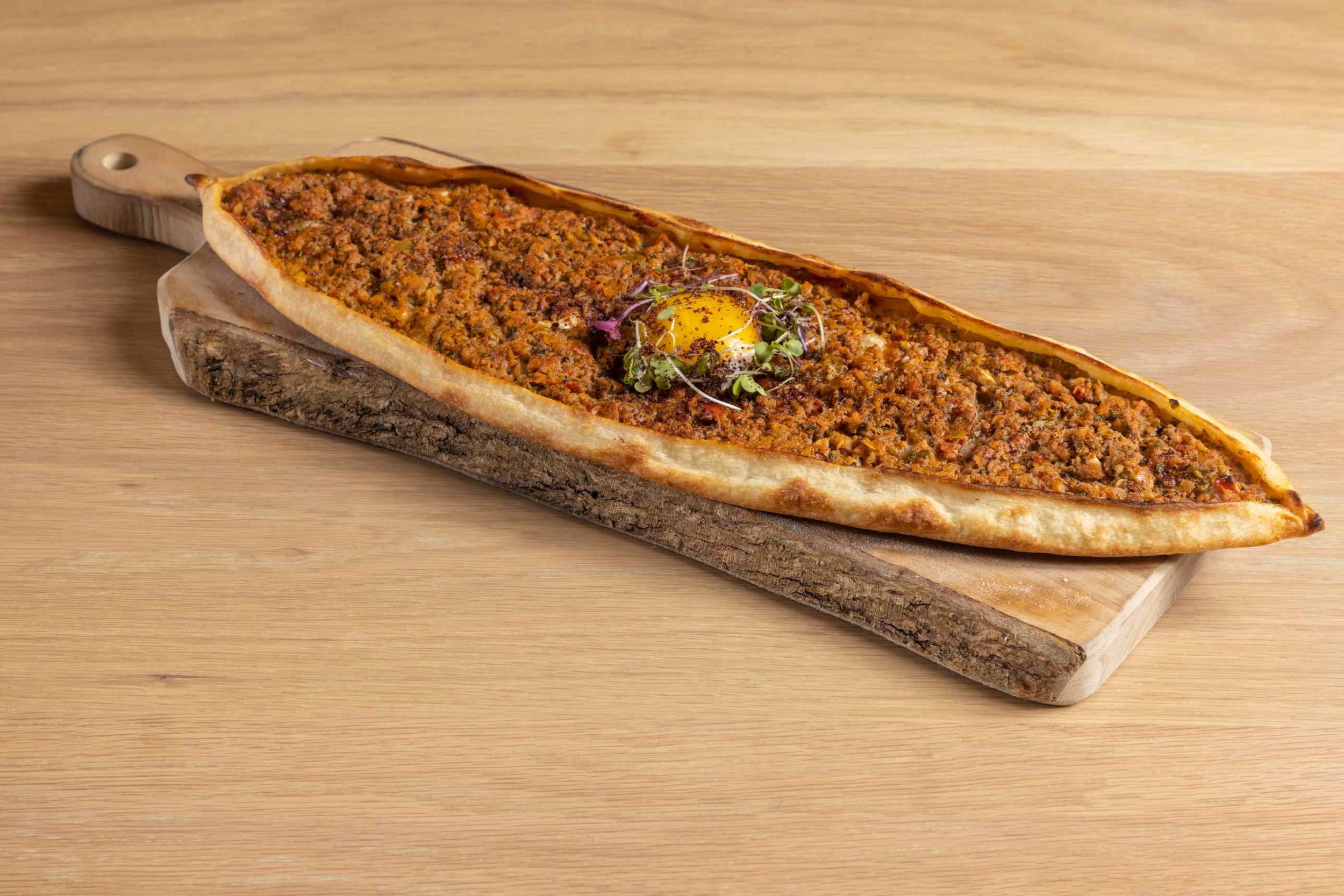
Pide toppings tell a different story. The most classic pide filling in Turkish tradition is called kıymalı pide, which uses minced lamb or beef mixed with onion, tomato, green pepper, and spices including cumin and red pepper flakes. There is no base sauce applied to the dough first. The seasoned meat mixture sits directly on the dough surface, and as it bakes, the fat from the meat is absorbed slightly into the dough, which gives the base of a kıymalı pide a richness and depth that you simply cannot get from a tomato sauce foundation.
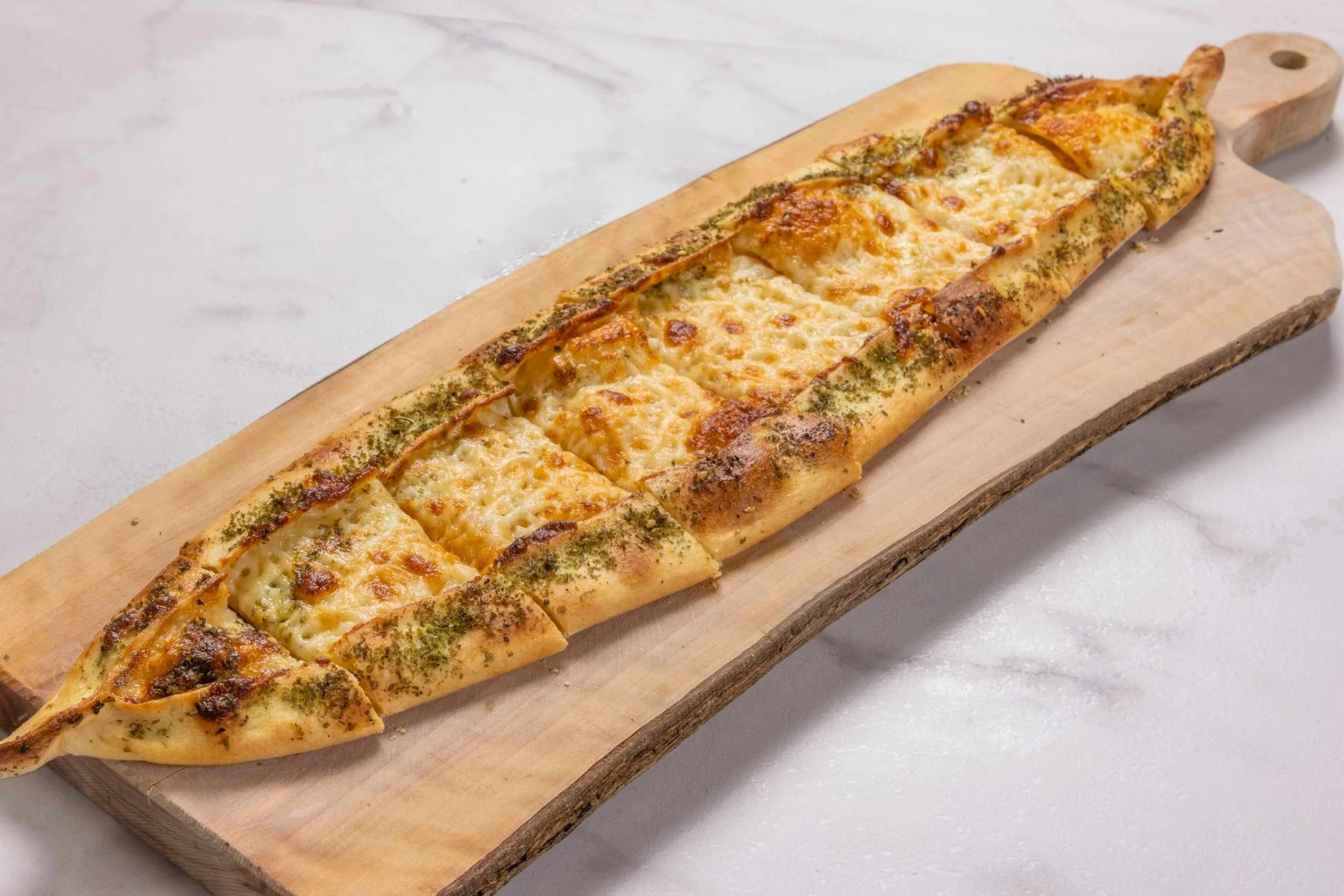
Kaşarlı pide, which uses the yellow, slightly elastic Turkish cheese called kaşar, is another widely loved variety. Kaşar melts beautifully and has a mild, milky flavor with a slight tang that is different from mozzarella. It browns in the oven in a way that creates golden spots and a slightly stretchy pull when you break the surface, and it works either alone or combined with other fillings. A combination of kaşar with sucuk, the spiced Turkish beef sausage, is one of the most popular pide varieties and produces a baked dish that is savory, slightly smoky from the sausage, and rich from the melted cheese in a way that feels distinctly Turkish in its flavor combination.
Beef soujouk pide, which uses the same cured Turkish beef sausage seasoned with garlic, cumin, and red pepper, represents one of the most aromatic and flavorful combinations available in Turkish baked bread cooking. The sausage releases its fat and spiced oils into the dough as it cooks, and the mozzarella or kaşar cheese on top captures and holds those flavors in a way that makes every bite complex and satisfying. Adding zhoug, the spicy herb sauce of Yemeni origin that has become popular across Middle Eastern cuisine, or sesame seeds on top of a soujouk pide creates additional layers of flavor and texture that reflect the cross-cultural richness of Turkish food.
Egg is a topping that appears on pide in ways that have no real equivalent in Italian pizza tradition. A whole egg is often cracked onto a pide partway through baking, where it sets in the residual heat to produce a white that is just firm and a yolk that remains slightly runny. This combination of baked meat or cheese topped with a soft egg creates a very different eating experience from anything in the Western pizza tradition, and it is one of the things that makes pide feel genuinely novel to someone who grew up eating pizza.
Vegetarian pide options using spinach, feta, and herbs, similar to the filling of spanakopita, represent the overlap between Turkish and broader Greek Mediterranean food culture. The same ingredients appear in both traditions because Turkey and Greece share deep culinary roots, and spinach with white cheese baked inside a soft dough is a combination that transcends national boundaries.
Dough, Texture, and the Eating Experience Compared
The most instructive way to understand the difference between pide and pizza is to eat both in the same week and pay attention to the texture and experience of each. Pizza, at its best in the Neapolitan tradition, has a thin, charred, slightly chewy crust with a slight crunch on the base and softer, airier pockets toward the edge. The toppings sit on top and are visible from the moment the pizza arrives at the table. You pick up a slice and fold it slightly to eat it, and the interplay of the crispy base, the sauce, and the cheese happens in every bite simultaneously.
Pide offers a different experience from the very first moment. The boat shape means the toppings are contained within the fold of the dough rather than sitting exposed on a flat surface. When you cut into or tear apart a pide, the filling is revealed from the inside, and the combination of soft dough and enclosed filling creates a ratio of bread to topping that is higher than most pizzas. The dough is more present in pide, and this is intentional. The bread is part of the dish in a more significant way, not just a vehicle for the toppings but an equal contributor to the final flavor and satisfaction of the meal.
Pizza is typically eaten by picking up slices. Pide is more commonly cut crosswise into sections and eaten from the inside out, pulling apart the soft dough and scooping the filling with each piece. At many Turkish restaurants, pide arrives at the table with a small pat of butter placed on top while the bread is still hot from the oven, which melts into the surface and adds a richness to the eating experience that has no equivalent in the Italian pizza tradition.
The size and serving style also differ. A pizza is typically round and sized for sharing in slices. A pide is elongated and usually sized as an individual portion, though the larger varieties can be shared between two people. At a Turkish restaurant, ordering pide is more like ordering a personal dish than a shared centerpiece, though sharing is always possible and often encouraged.
Pide in the Context of Turkish and Mediterranean Food Culture
Understanding pide helps round out the picture of what Turkish food is and where it fits within the broader world of Mediterranean cuisine. Turkish food is not a single cuisine with a few signature dishes. It is an enormous and varied food tradition that spans grilled meats, legume-based dips, fresh salads, egg dishes, stuffed breads, slow-cooked stews, and an extensive tradition of baked and pastry-based dishes. Pide sits within the baked bread category alongside other Turkish baked specialties like börek, lahmacun, and simit.
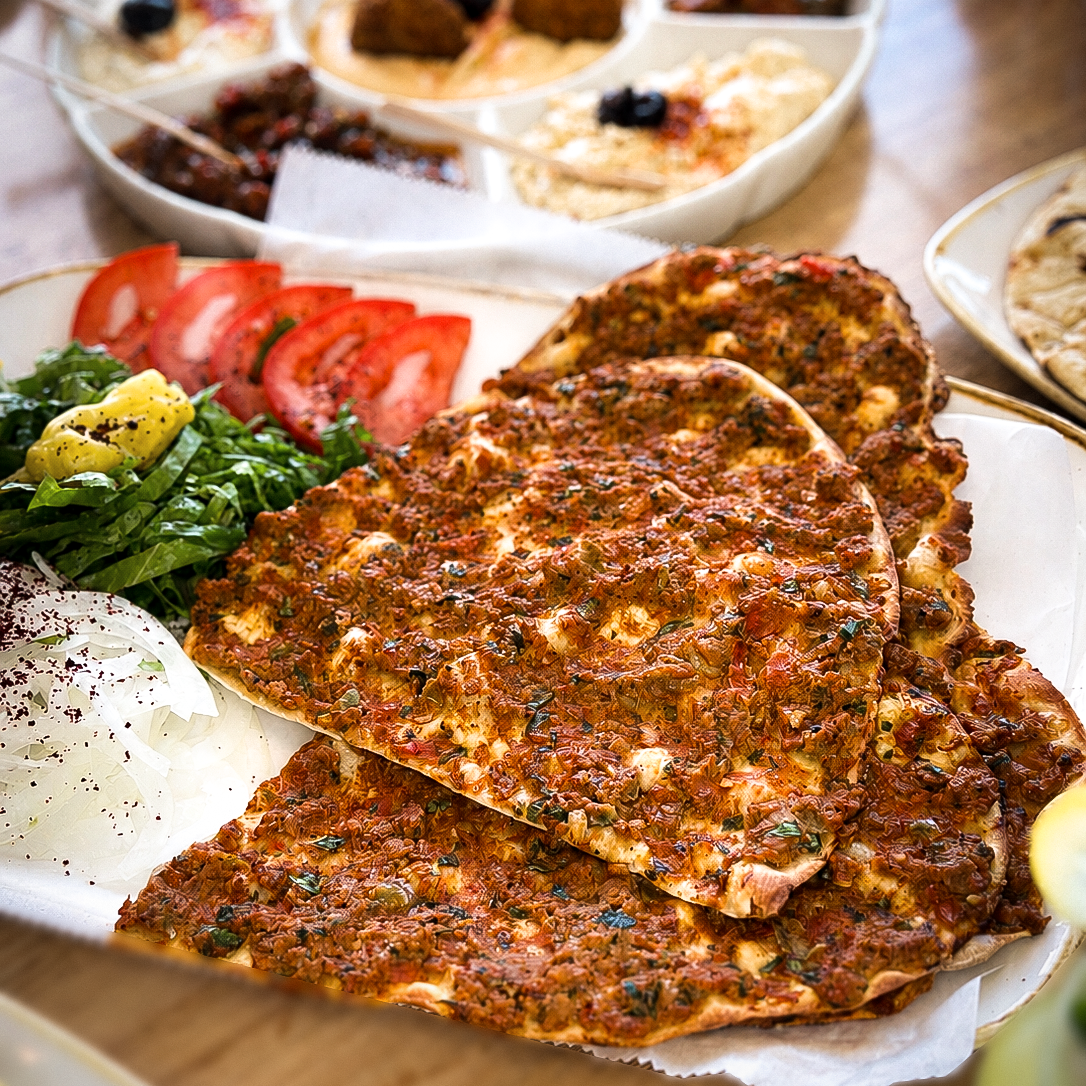
Lahmacun, which is sometimes called Turkish pizza in English-language menus, is actually closer to pizza in shape than pide is. It is a thin, crispy round flatbread topped with a thin layer of very finely minced seasoned meat and baked until the edges are slightly charred. It is typically eaten by squeezing lemon over it, topping it with fresh herbs and vegetables, rolling it up, and eating it by hand. Calling it Turkish pizza is a convenient shorthand but a misleading one, since the dough is fundamentally different from pizza dough, the topping is applied as a thin paste rather than as distinct toppings, and the eating method is closer to a wrap than a slice of pizza.
For Bay Area diners who love exploring authentic food cultures, the range of Turkish baked bread dishes represents some of the most interesting and least familiar territory in Mediterranean cuisine. Pide, lahmacun, börek, and simit all tell different stories about how Turkish food culture thinks about wheat, dough, and the relationship between bread and filling. Each one is worth trying on its own terms rather than as a substitute for something already familiar.
At Hummus Mediterranean Restaurant in San Mateo, San Francisco, Palo Alto, and Mountain View, the Turkish side of the menu reflects this depth. The breakfast menu includes beef soujouk pide, which gives diners the chance to experience this specific style of Turkish baked bread in a morning context where it makes particular sense, hot from the oven, richly flavored, and nothing like anything else on a typical Bay Area breakfast menu. For anyone who has been eating the same foods for years and is ready for something genuinely new, exploring Turkish baked dishes is a very satisfying place to start, and pide is a natural entry point for anyone who already loves bread and wants to understand how a different food culture has perfected it in its own way.
