Common Misconceptions About Halal Food
Halal food is eaten by nearly two billion people around the world, and interest in it has grown well beyond Muslim communities in recent years. More non-Muslim diners are actively seeking out halal restaurants because of how the food is sourced, handled, and prepared. And yet, despite this growing visibility, a surprising number of misconceptions about halal food continue to circulate. Some come from unfamiliarity. Some come from misinformation. Some come from a single bad experience or a misunderstood label. Whatever the source, these misconceptions often prevent people from trying food they would genuinely enjoy and from understanding something that is actually quite simple when explained clearly.
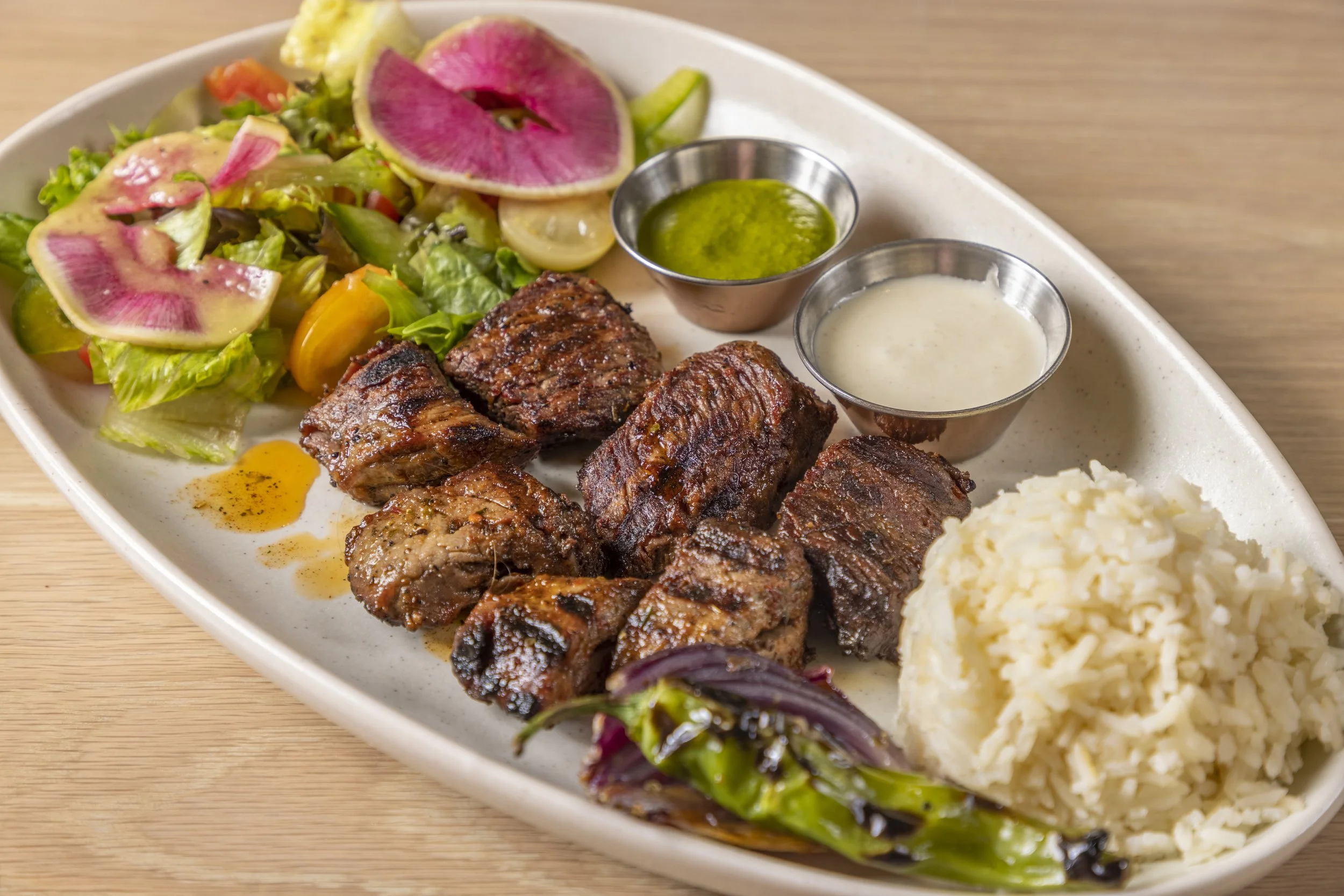
This guide addresses the most common misconceptions about halal food directly and honestly. The goal is not to sell anyone on anything but simply to replace inaccurate ideas with accurate ones so that people can make informed decisions about what they eat and where they eat it.
Misconception One: Halal Food Is Only for Muslims
This is probably the most widespread misconception about halal food, and it is also the one most worth addressing first because it shapes how a lot of people approach the topic. Halal certification describes how food is sourced, prepared, and handled. It does not restrict who can eat it. The standards around halal food relate to the absence of prohibited substances, the method of animal slaughter, and the cleanliness of the preparation process. None of those things have anything to do with the religion of the person eating the food.
In practice, a significant and growing portion of halal food consumers around the world are not Muslim. In many European countries, halal meat has become a preferred option among consumers who are drawn to it for reasons related to animal welfare, ingredient purity, and the absence of certain additives and preservatives that are excluded under halal standards. In the Bay Area and across San Francisco, a meaningful number of people who seek out halal Mediterranean food in SF do so because they want clean, carefully sourced protein rather than because of religious requirements.
The analogy that helps most people understand this is kosher food. Kosher certification comes from Jewish dietary law, but the majority of kosher food consumers in the United States are not Jewish. They buy kosher products because the certification signals a level of oversight and care in production that they find reassuring. The same logic applies to halal food. The certification tells you something real about how the food was made, and that information is relevant to anyone who cares about food quality, not just to people of a particular faith.
Misconception Two: Halal Food Tastes Different or Inferior
This misconception usually comes from one of two places. Either someone ate poorly prepared food at a restaurant that happened to be halal and blamed the halal certification for the quality, or they have never tried halal food at all and are making assumptions based on the unfamiliarity of the label. Neither is a reasonable basis for a conclusion about how halal food tastes.
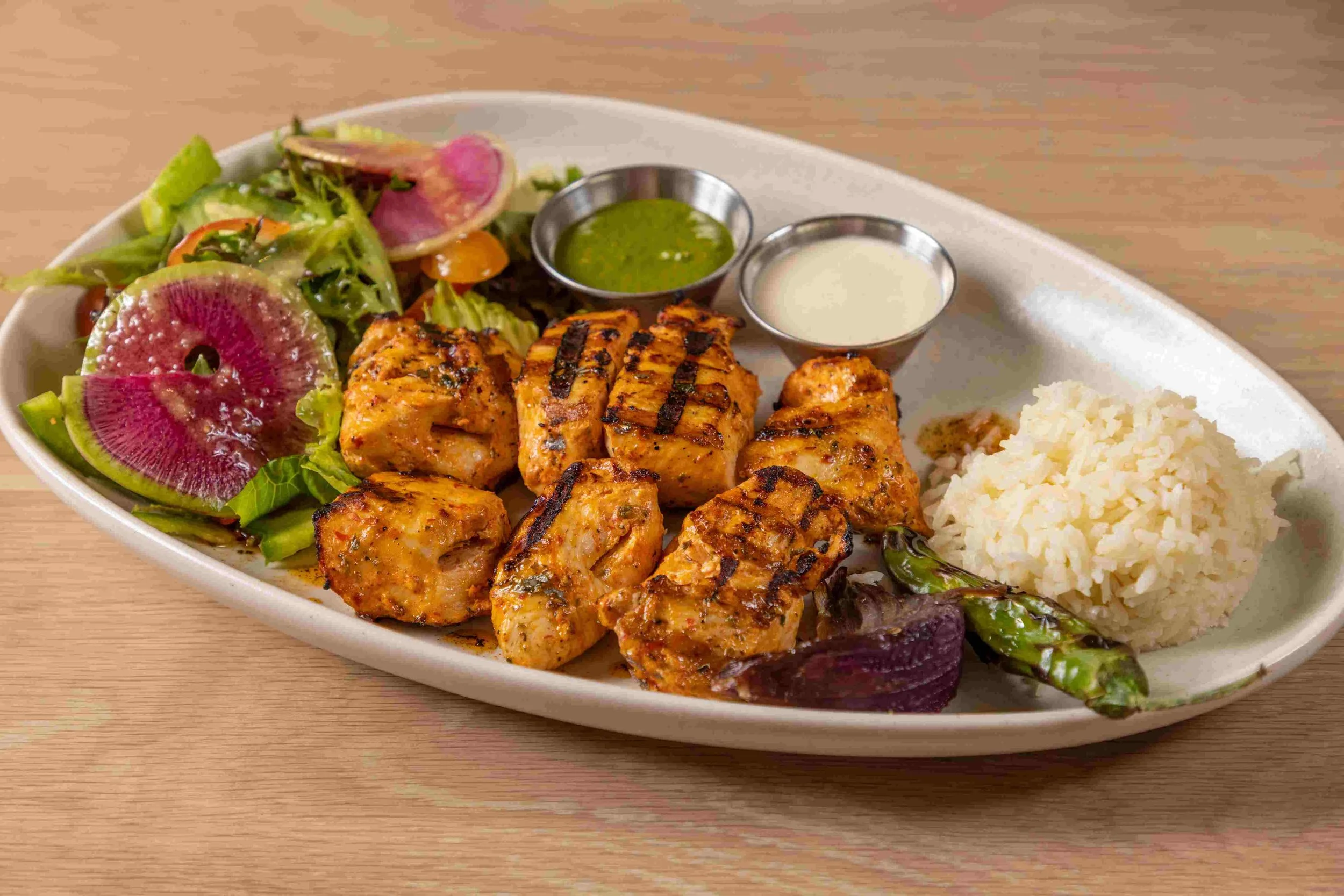
Halal certification says nothing about flavor, recipe, technique, or cooking skill. It addresses sourcing and handling standards. A halal chicken kebab and a non-halal chicken kebab made from the same recipe by the same cook in the same kitchen will taste identical. The halal designation does not change the seasoning, the marinating time, the grill temperature, or any other factor that actually determines how food tastes. What it changes is the supply chain, meaning where the animal came from and how it was processed before it reached the kitchen.
If anything, the argument can be made that properly sourced halal meat has a cleaner flavor than conventionally processed meat because the full drainage of blood from the carcass during halal slaughter reduces the metallic, gamey quality that blood can contribute to meat flavor. Many chefs and food professionals who work with halal meat make exactly this observation. The flavor is cleaner, the texture is slightly firmer, and the meat requires less aggressive seasoning to taste good because it tastes better to begin with.
At a Turkish and Mediterranean restaurant that takes halal sourcing seriously, the grilled kebabs, gyros, and other protein-based dishes reflect the quality of the underlying ingredient. A lamb shish kebab made from properly sourced halal lamb, marinated in herbs and olive oil and grilled over high heat, tastes the way lamb is supposed to taste. That is not despite the halal standards but in part because of them.
Misconception Three: All Halal Food Is the Same
This misconception collapses enormous culinary diversity into a single undifferentiated category, which does a disservice to the many distinct food cultures that produce halal food. Turkish food, Lebanese food, Moroccan food, Pakistani food, Indonesian food, and West African food are all largely halal by tradition, and they are nothing alike. They use different spices, different cooking techniques, different staple ingredients, and different flavor philosophies. Treating them as interchangeable because they share a halal designation is like saying all European food is the same because it shares a geographic label.
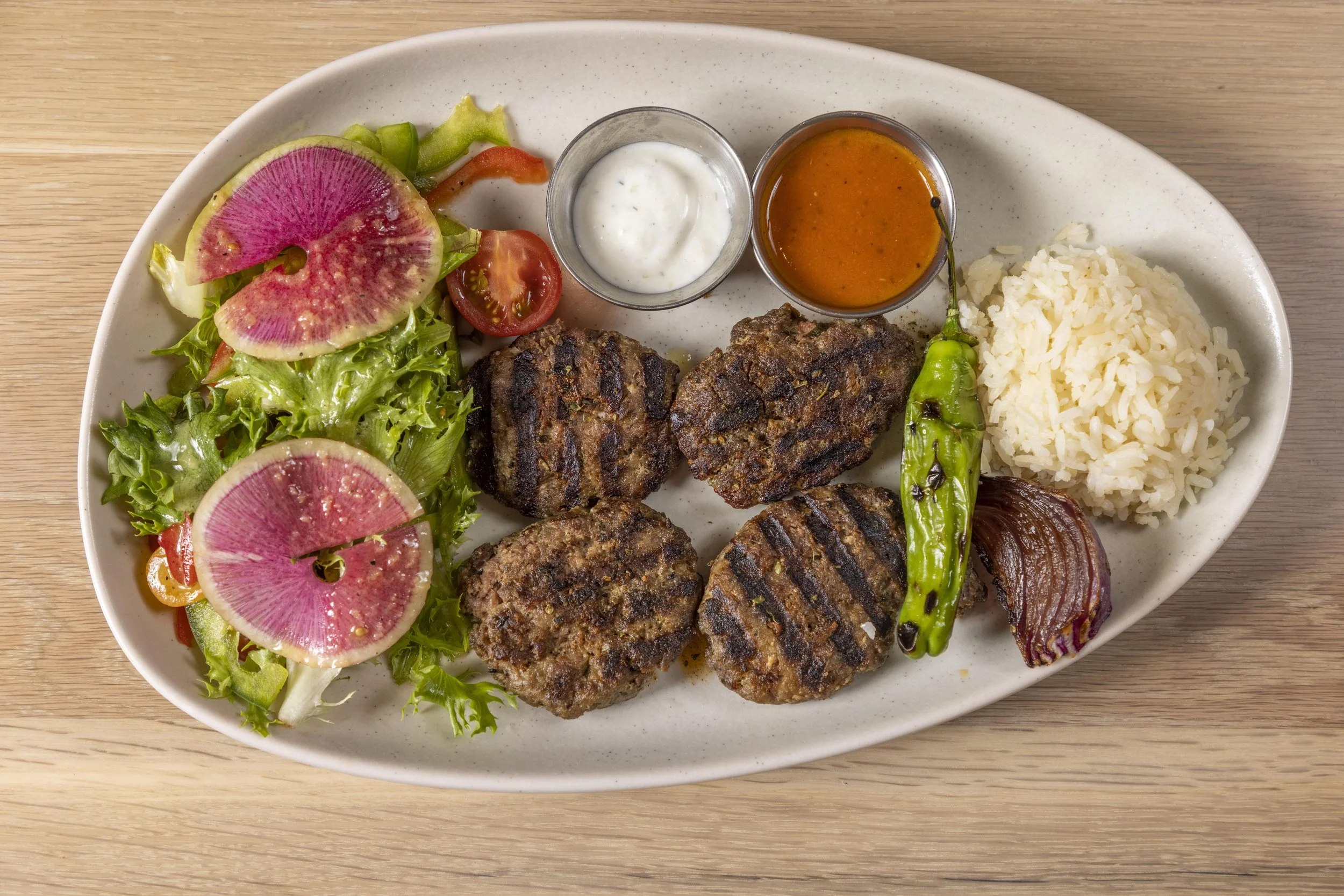
Turkish halal food, which is the tradition most directly relevant to Mediterranean restaurants in San Francisco and the Bay Area, is characterized by grilled meats, legume-based dips, fresh salads, olive oil, yogurt sauces, and a spice palette built around cumin, sumac, red pepper, and dried herbs. It is Mediterranean in its sensibility, meaning it leans toward freshness and restraint rather than heavy sauces or intense heat. A Turkish kebab plate with hummus, warm pita, and a fattoush salad is a very different eating experience from a Pakistani halal curry or a Moroccan halal tagine, even though all three are halal.
Lebanese halal food, which overlaps significantly with Turkish and broader Mediterranean cuisine, emphasizes raw vegetables, fresh herbs, tahini, lemon, and grilled proteins seasoned in a slightly different way from Turkish tradition. The gyro, which is one of the most popular items at halal Mediterranean restaurants in San Francisco, has roots in both Turkish döner tradition and Greek food culture and has become one of the most recognized halal dishes in the Western world, though many people who eat gyros regularly have no idea they are eating halal food at all.
This diversity is worth celebrating because it means that someone interested in exploring halal food has an enormous range of flavors and experiences available to them. The halal certification is the beginning of a conversation about food, not the end of one.
Misconception Four: Halal Slaughter Is Cruel or Inhumane
This misconception is one of the most persistent and also one of the most emotionally charged, so it deserves a thoughtful and factual response. The concern usually goes like this: halal slaughter involves cutting the throat of a conscious animal, and that must be more painful than conventional slaughter methods. The reality is more nuanced and the comparison is not as straightforward as it appears.
Conventional industrial slaughter in most Western countries uses a process called stunning, where an animal is rendered unconscious before being killed, typically through a bolt to the head, electric shock, or gas. The intention of stunning is to reduce suffering, and in theory it does. In practice, stunning methods are not always applied correctly, and animals that are improperly stunned can regain consciousness during the slaughter process.
Traditional halal slaughter, performed by a trained slaughterman with a sharp blade and a swift cut to the main blood vessels of the neck while reciting a blessing, causes rapid blood pressure drop in the brain. Research on this method, including studies using electroencephalography to measure brain activity during slaughter, has produced mixed results, with some studies indicating that the cut causes near-immediate loss of consciousness when performed correctly. Other research suggests there is a brief period of sensation before unconsciousness. The honest answer is that the science is genuinely contested, and neither method is categorically and unambiguously more humane than the other in every circumstance.
What is not contested is that the standards around halal slaughter require the animal to be healthy and free from injury at the time of slaughter, that the blade must be sharp to minimize the duration of the cut, and that the process must be performed by someone trained in the method. These standards create a floor of care around the animal that is not always present in high-volume conventional processing, where speed is often prioritized over precision.
Many halal producers also follow additional welfare standards beyond the minimum requirements of halal certification, raising animals in lower-density conditions, feeding them natural diets, and minimizing stress before slaughter. When halal food is sourced from producers who follow these higher standards, the animal welfare picture compares favorably to much of what the conventional food industry produces.
Misconception Five: You Can Always Tell When Food Is Halal Just by Looking at It
This misconception cuts in both directions. Some people assume they can identify halal food because it looks different from regular food, which it does not. Others assume they can tell a restaurant is not halal because it does not advertise it prominently. Neither assumption is reliable.
Halal food looks exactly like non-halal food because the differences are in the sourcing and processing, not in the final appearance of the dish. A halal chicken kebab and a non-halal chicken kebab look identical on the plate. A halal lamb gyro looks the same as a non-halal one. The color, texture, and presentation of the food are not affected by the certification status of the ingredients.
The only reliable way to know whether food is halal is to ask the restaurant directly or to look for a credible halal certification on the menu or at the premises. At Hummus Mediterranean Restaurant in San Mateo, San Francisco, Palo Alto, and Mountain View, halal sourcing is part of the restaurant's identity and is applied consistently across the menu. This matters both for diners who require halal food for religious reasons and for diners who prefer it for the quality and sourcing standards it represents.
For Bay Area diners who want to find authentic halal Mediterranean food in San Francisco or the surrounding cities, the question to ask is simply whether the restaurant sources its proteins from certified halal suppliers. A restaurant that takes halal seriously will be able to answer that question clearly without hesitation.
Understanding halal food accurately is a small thing, but it makes a real difference. It means approaching a menu with curiosity instead of suspicion, ordering with confidence instead of uncertainty, and experiencing the full range of Turkish and Mediterranean cuisine without the filters that misinformation creates. The food is good. The standards behind it are thoughtful. And the only thing standing between most people and their first great halal Mediterranean meal is accurate information, which is exactly what this guide has tried to provide.
