Turkish Spices & Flavors
If you have ever taken a bite of a perfectly seasoned Turkish kebab and thought, "what exactly is in this?" you are not alone. Turkish food has a way of tasting deeply familiar and completely new at the same time. The flavors are bold but not harsh. Warm but not always spicy. Complex but never confusing. A big part of what makes authentic Turkish food in San Francisco so loved is the spice work behind every dish. Once you understand what goes into it, you start to taste the food differently.
This guide walks through the spices, flavor profiles, and cooking traditions that define Turkish cuisine and explains why this style of food has found such a loyal following in cities like San Francisco, San Mateo, Palo Alto, and Mountain View.
The Spices That Define Turkish Cooking
Turkish cuisine does not rely on a single signature spice the way some other food cultures do. Instead, it uses a layered approach where several spices work together to build depth. The result is food that smells incredible before you even take a bite, and flavors that linger in the best possible way.
Cumin is one of the most used spices in Turkish cooking. It has a warm, slightly earthy flavor that pairs especially well with grilled meats like lamb and beef. You will find it in köfte, kebabs, and many spiced rice dishes. It adds body to a dish without overpowering anything else on the plate, and it works as a foundation that other spices build on top of.
Sumac is another spice that shows up constantly in Turkish food, and it is one that surprises a lot of people the first time they try it. It is made from dried and ground berries and has a tangy, almost citrusy flavor that is quite distinctive. It is sprinkled over grilled meats, salads, and onion dishes to add a bright, acidic note without using lemon juice. If you have ever had a döner kebab or a Turkish salad and noticed a deep red dusting on top with a subtle tartness, that was sumac.
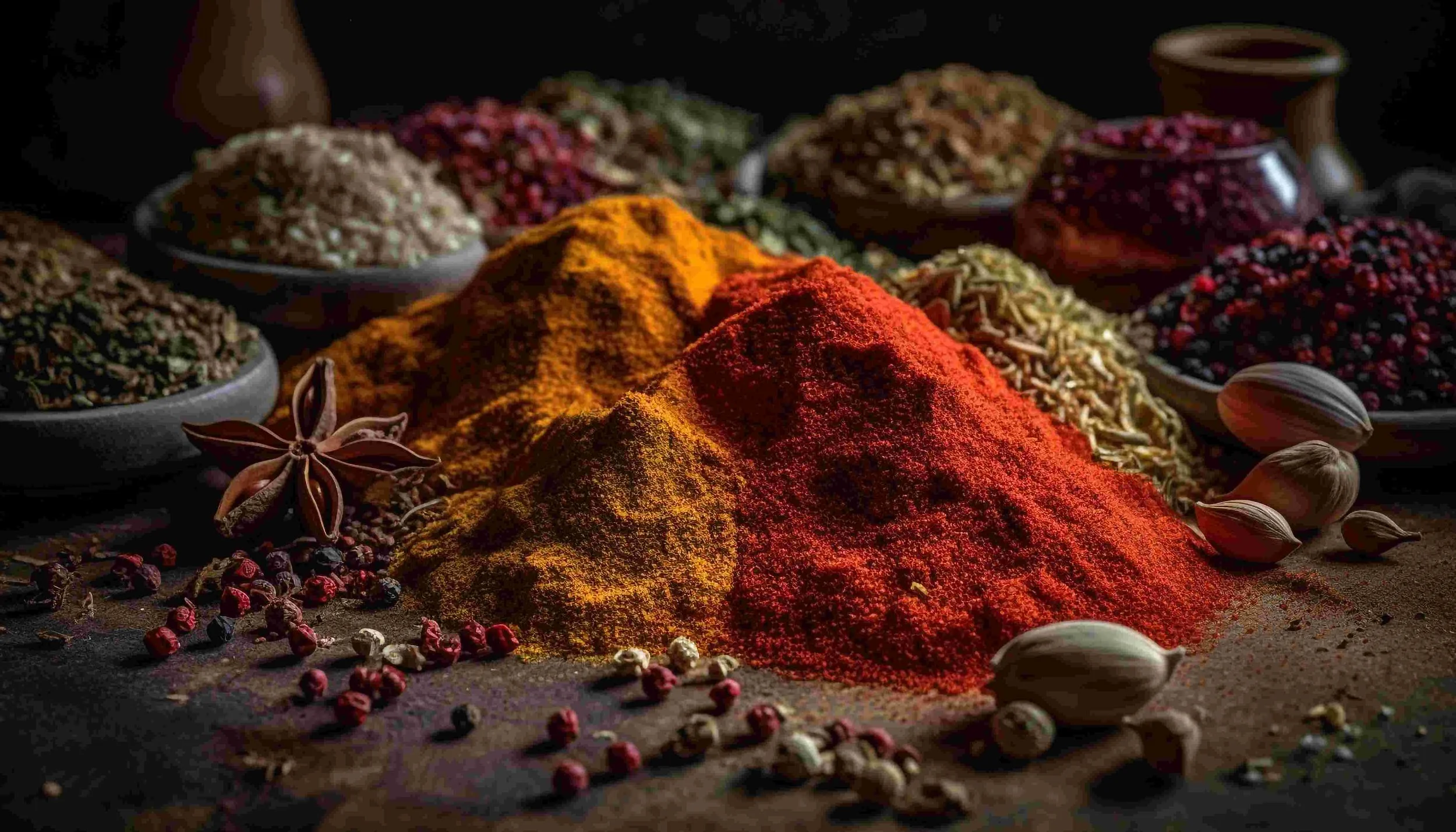
Red pepper flakes, or pul biber, are used more in Turkish food than black pepper. They range from mildly warm to properly spicy depending on the variety, and they add color as well as heat to dishes. Turkish red pepper flakes have a fruity quality to them that sets them apart from regular crushed red pepper.
Dried mint is used in ways that might surprise someone used to Western cooking, where mint is mostly associated with sweet desserts and drinks. In Turkish cooking, dried mint goes into salads, yogurt sauces, soups, and even some kebab preparations. It adds a cooling herbal note that balances the warmth of other spices beautifully.
Cinnamon and allspice appear in savory dishes more often in Turkish cuisine than in most Western food traditions. They show up in slow-cooked meat dishes, stuffed vegetables, and rice pilafs. The result is a warmth that is hard to identify at first but makes the dish feel more rounded and satisfying.
How Turkish Flavors Show Up on the Menu
Understanding the spices helps explain why specific dishes taste the way they do. Turkish kebabs are seasoned with a blend that usually includes cumin, red pepper flakes, garlic, and sometimes allspice. The meat is mixed with the spices by hand and then shaped onto a skewer or formed into patties. When it hits the grill, the outside gets a slight char while the inside stays juicy. That combination of smoke, spice, and tenderness is what makes grilled kebabs in San Francisco such a popular order.
Döner kebab is one of the most recognized Turkish dishes in the world. Seasoned meat, often lamb or chicken, is stacked onto a vertical rotating spit and slow cooked. As the outer layer cooks, it is shaved off in thin slices. The spice blend going into döner typically includes cumin, oregano, red pepper, garlic, and sometimes a touch of cinnamon. It is served in a wrap or on a plate with fresh vegetables and yogurt sauce. The best döner has crispy edges on the outside and a tender, spiced interior that tastes rich without being heavy.
Gyros share roots with döner and use a similar cooking method, though the seasoning and accompaniments lean slightly more Greek. A lamb gyro in San Francisco will often come with tzatziki, tomatoes, and onions inside warm pita. The meat itself carries hints of oregano, garlic, and lemon in addition to the warmer spices, which gives it a slightly brighter flavor than a traditional Turkish döner.
Hummus, while common across the broader Mediterranean and Middle Eastern food world, often takes on Turkish characteristics depending on where you eat it. At a Turkish and Mediterranean restaurant, hummus might be topped with a drizzle of olive oil, a dusting of sumac or red pepper flakes, and sometimes a handful of spiced ground meat on top. This version is heartier and more layered than plain hummus and pairs beautifully with warm pita.
A few things that help you recognize authentic Turkish flavor on a menu:
Dishes finished with sumac or dried mint as a garnish
Yogurt used as a sauce rather than just a condiment
Warm spices like cinnamon and allspice in savory preparations
Grilled meats seasoned with red pepper and cumin rather than just salt
Fresh herbs like parsley and dill used generously as finishing touches
Turkish Food and the Broader Mediterranean Table
Turkish cuisine sits at the heart of what many people think of when they imagine Bay Area Mediterranean food. It shares common ground with Greek food, Lebanese food, and other Middle Eastern traditions, but it has a personality that is distinctly its own. The spice blends are a little warmer and earthier. The use of yogurt is more prominent. The grilling techniques are specific and time-tested.
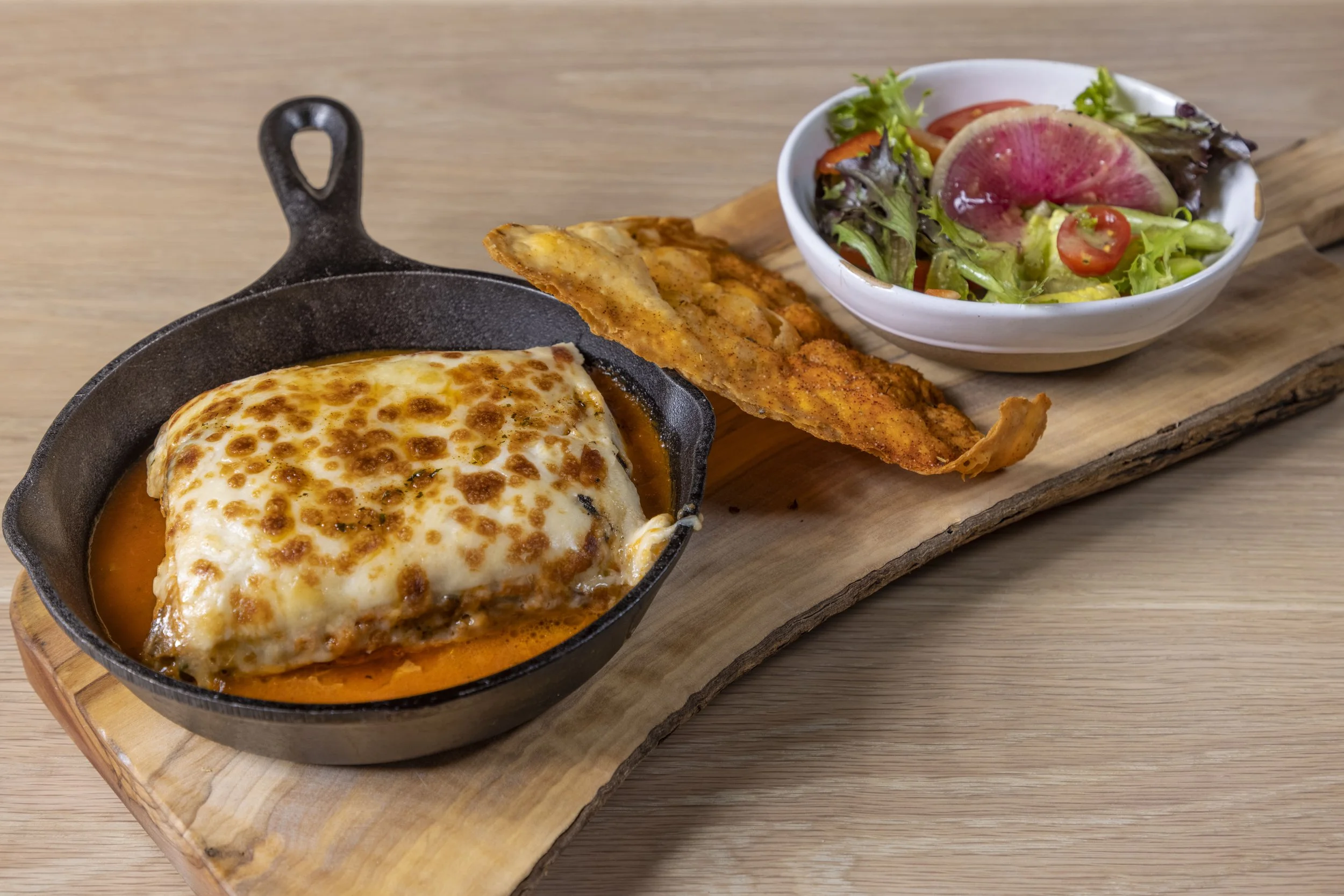
This overlap is part of why places that serve Greek and Mediterranean food near you often include Turkish dishes on the same menu. Dishes like kebabs, gyros, and hummus cross those cultural lines naturally. When you are at a restaurant that does all of them well, you get to experience how the flavors connect and where they differ.
For Bay Area foodies who love exploring food from different cultures, Turkish cuisine offers a lot to discover. It is not just about the dishes themselves but about the balance of flavors within each one. A good Turkish meal feels like every part of the plate was thought through. The spices complement the protein. The yogurt balances the heat. The fresh herbs lift the whole thing.
Dining, Takeout, and What to Expect
For anyone in San Francisco, Palo Alto, Mountain View, or San Mateo looking for Turkish food or Mediterranean cuisine, the dining experience tends to be warm and welcoming. Turkish-influenced restaurants are generally great for groups, couples, and families. Shared plates and mezze spreads make it easy to try a lot of different things in one visit.
If you are new to Turkish food, starting with a kebab plate or a döner wrap is a good entry point. They showcase the spice work clearly and come with enough sides to give you a sense of how the flavors are meant to work together. Adding hummus and warm pita to the table gives you something to eat between bites and lets you try the spiced olive oil and toppings that usually come with it.
Hummus Mediterranean Restaurant in San Mateo, San Francisco, Palo Alto, and Mountain View brings these Turkish and Mediterranean flavors together in a way that works for both sit-down dinners and quick takeout. For anyone who wants the experience of real Turkish-seasoned kebabs and fresh Mediterranean food without having to make a reservation or wait a long time, takeout is a great option. The food travels well, and the flavors actually deepen slightly as the spices settle.
For busy weeknights, Mediterranean food delivery in SF and the surrounding cities has become a go-to solution for people who want something better than fast food but do not have time to cook. A kebab plate with rice and salad, or a döner wrap with fresh toppings, is the kind of meal that feels like real food and takes zero effort on your end.
Whether you are a longtime fan of Turkish food or someone who has only recently started exploring Mediterranean cuisine near you in San Francisco, there is always something new to notice. Each spice has a story. Each dish has a tradition behind it. And every plate from a kitchen that takes these flavors seriously is a reminder of just how good simple, well-seasoned food can be. Turkish cooking proves that you do not need complicated techniques or unusual ingredients to make something truly memorable. You just need the right spices, quality ingredients, and the knowledge to use them well together.
