Mediterranean Cuisine: Why It's Considered One of the Healthiest
There is a reason doctors, nutritionists, and food lovers keep coming back to Mediterranean cuisine. It is not a diet trend that appeared overnight. It is a centuries-old way of eating that has stood the test of time across Greece, Turkey, Lebanon, and dozens of other countries that border the Mediterranean Sea. People who eat this way regularly tend to feel better, live longer, and enjoy their food more. And when you actually sit down to a plate of grilled kebabs, fresh hummus, and warm pita, it is easy to understand why.
If you have been searching for healthy Mediterranean food in San Francisco or just want to know what all the buzz is about, this guide breaks it all down in plain, simple terms.
What Makes Mediterranean Food So Different
Most popular food in the modern world leans on processed ingredients, heavy sauces, refined sugars, and deep frying. Mediterranean cuisine takes the opposite approach. The foundation of this style of eating is fresh vegetables, legumes, whole grains, olive oil, lean protein, and herbs. Nearly everything is made from scratch, and the cooking methods, mostly grilling, roasting, and slow cooking, keep the nutrients in the food rather than cooking them out.
Olive oil is at the center of it all. In most Western kitchens, butter and cream do the heavy lifting when it comes to richness and flavor. In Mediterranean cooking, olive oil replaces both. It is high in monounsaturated fats, which support heart health and help reduce inflammation in the body over time. Using olive oil as the primary fat in a diet, rather than saturated animal fats, is one of the biggest reasons this cuisine has such a strong connection to long-term health.
Legumes like chickpeas, lentils, and fava beans also play a huge role. They are high in fiber, plant-based protein, and a range of vitamins and minerals. Hummus, one of the most recognized dishes in Mediterranean and Middle Eastern food, is built entirely on chickpeas and tahini. It is creamy, filling, and genuinely nutritious without any added fillers or preservatives. When it is made fresh at a good restaurant, the difference is immediately noticeable.
The Core Ingredients and Why They Matter
When you look at what goes into a typical Mediterranean meal, the health benefits start to make a lot of sense. This is not food that has been engineered to taste good despite being bad for you. It tastes good because of the quality of its ingredients, not in spite of it.
Grilled meats like Turkish kebabs and lamb gyros are seasoned with herbs and spices rather than heavy marinades loaded with sugar and sodium. Cumin, oregano, sumac, garlic, and fresh parsley do most of the work. The protein is lean, especially chicken and lamb, and it comes off the grill with a slight char on the outside and a juicy, flavorful center. Grilled kebabs in San Francisco have become a popular lunch and dinner option for people who want real protein without the guilt that comes with heavier fried alternatives.
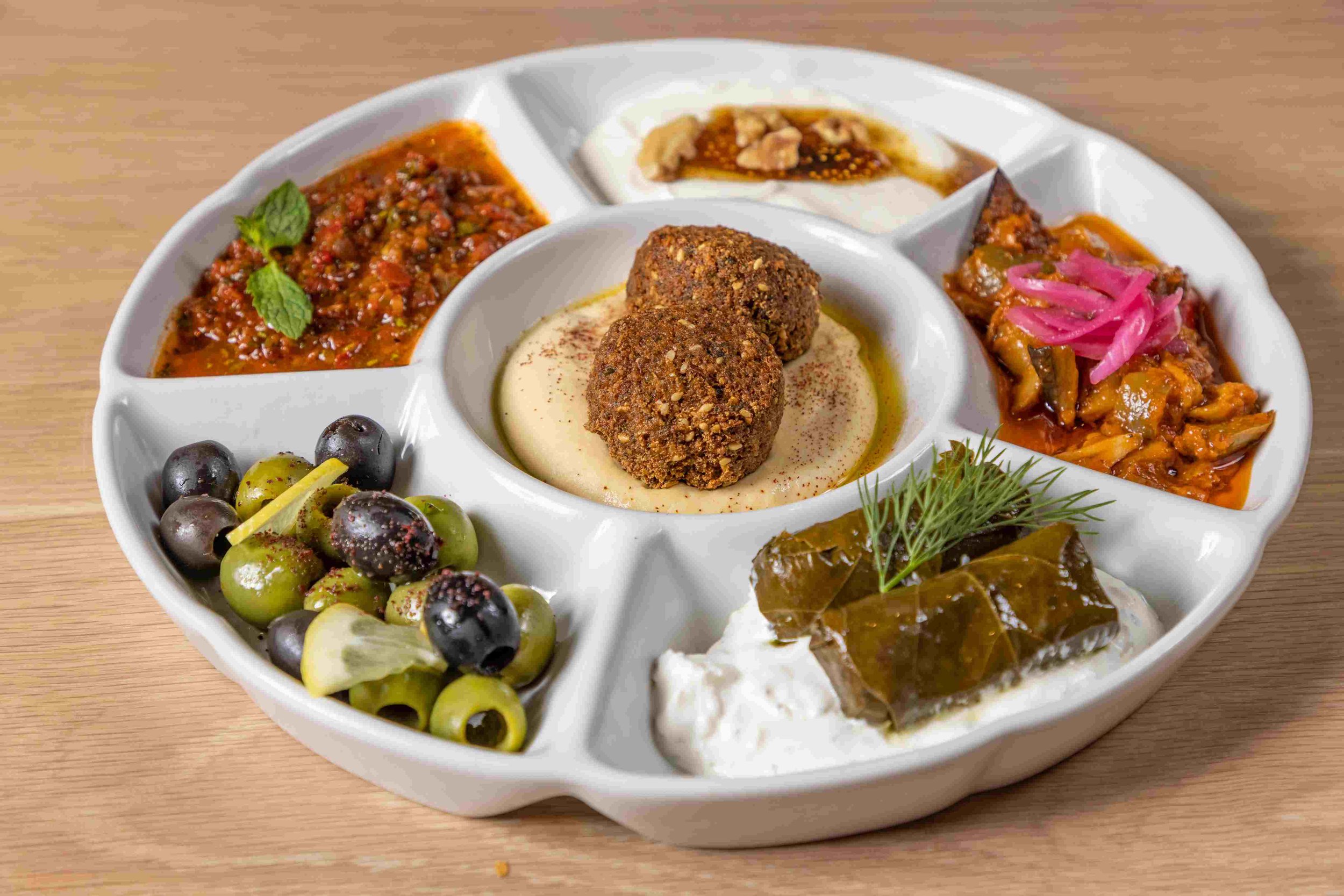
Vegetables are not an afterthought in Mediterranean cooking. They are central to the meal. Roasted eggplant, grilled peppers, cucumber and tomato salads, stuffed grape leaves, and fresh herbs show up on almost every table. These are all naturally low in calories and high in fiber, antioxidants, and vitamins. When vegetables taste this good, eating more of them does not feel like a sacrifice.
Whole grains like bulgur, rice pilaf, and whole wheat pita round out the plate. They digest more slowly than refined grains, which helps keep blood sugar stable and keeps you feeling full longer. This is part of why a Mediterranean lunch does not leave you crashing an hour later the way a fast food meal often does.
A few of the ingredients that show up most often and why they are worth knowing:
Chickpeas: high in fiber and plant protein, the base of hummus and falafel
Olive oil: heart-healthy fat used in cooking, dressings, and dips
Lamb and chicken: lean proteins seasoned with herbs and grilled rather than fried
Fresh herbs like parsley, mint, and dill: add flavor without adding calories
Yogurt: used as a sauce and dip, high in probiotics and protein
How This Plays Out in a Real Meal
Knowing the ingredients is one thing. Understanding how they come together in an actual dining experience is another. When you sit down at a Mediterranean restaurant, the meal tends to unfold in a relaxed, sharing-friendly way that encourages eating slowly and enjoying the food rather than rushing through it.
A table might start with a spread of hummus, warm pita, and a few vegetable dips. The hummus is smooth and nutty, finished with olive oil and a sprinkle of paprika or sumac. The pita is soft and slightly chewy, fresh from the oven. This kind of start fills you up gently rather than loading you down before the main course arrives.
From there, a grilled kebab plate or a gyro wrap brings the protein. A lamb gyro in San Francisco is typically served with fresh tomatoes, onions, and tzatziki, which is a Greek yogurt sauce with cucumber and garlic. It is cooling against the warm, spiced meat and adds both flavor and a dose of probiotics. The döner kebab follows a similar structure, with seasoned meat shaved from a rotating spit and served with fresh toppings and yogurt sauce. Both are satisfying without being heavy.
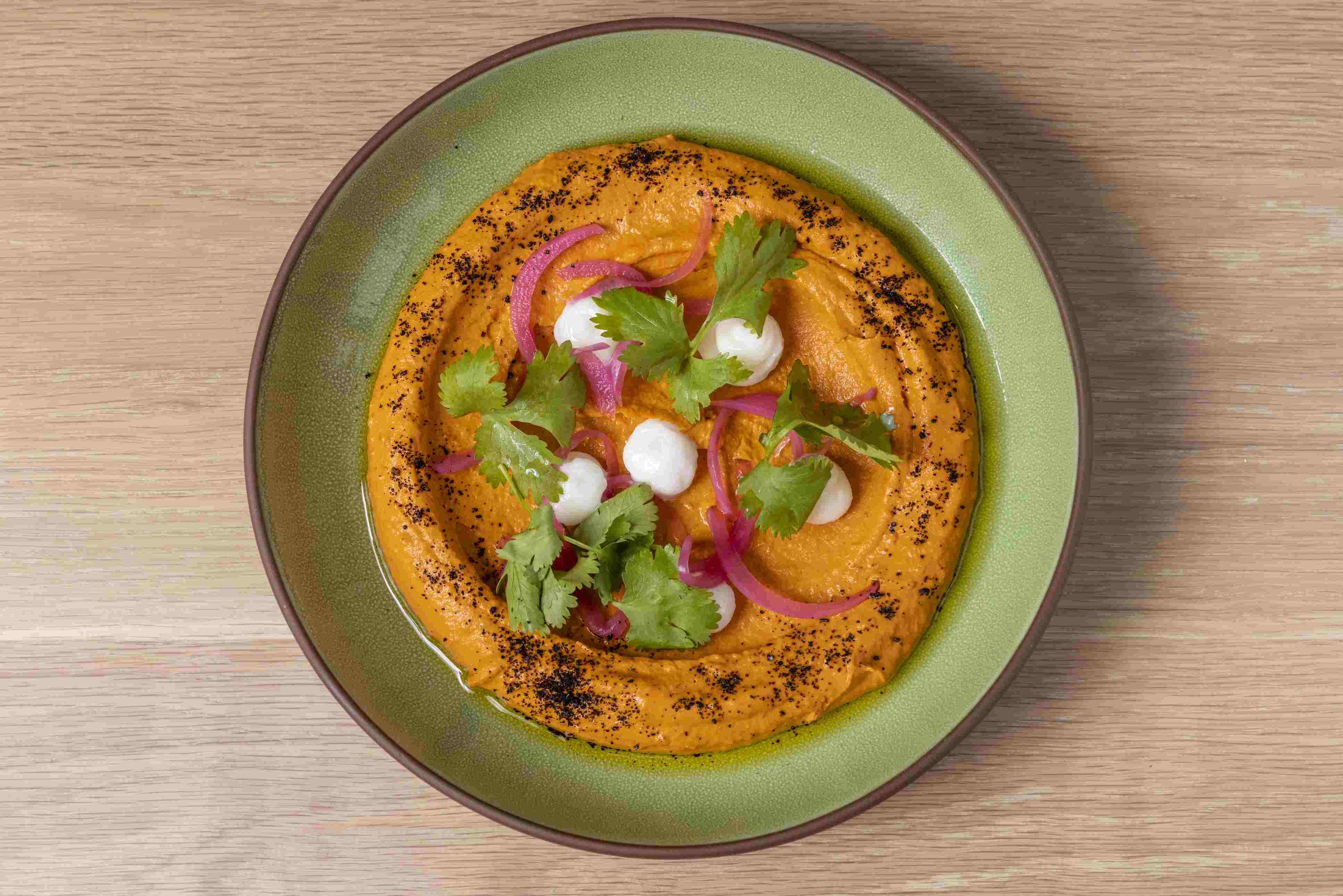
Mediterranean platters are a great option for anyone who wants variety. They usually combine grilled meats, a few dips, fresh salad, and bread all on one plate. For families and groups, this style of eating works especially well because everyone can try a little of everything and share as they go. Hummus Mediterranean Restaurant in San Mateo, San Francisco, Palo Alto, and Mountain View is built around exactly this kind of shared, relaxed dining experience.
For people who want healthy dining options in San Francisco without sitting down for a full meal, takeout from a Mediterranean restaurant is one of the smartest choices available. The food travels well. A kebab plate with rice and salad, or a gyro wrap packed with fresh vegetables, holds up during transit and tastes just as good at home as it does in the restaurant. Mediterranean food delivery in SF has grown popular for this exact reason. It is real food that actually fills you up and does not leave you feeling sluggish afterward.
Who Mediterranean Food Works Best For
One of the things that makes this cuisine so widely loved across the Bay Area is how well it fits different kinds of diners and different occasions.
Families with kids will find plenty of approachable options. Grilled chicken, warm pita, and hummus are familiar enough for picky eaters while still being genuinely nutritious. Family-friendly restaurants in San Mateo that serve Mediterranean food offer a kind of menu that parents appreciate because there is something for everyone at the table.
Couples looking for a relaxed dinner find that Mediterranean restaurants have the right kind of atmosphere. The food is meant to be shared, the portions are satisfying without being overwhelming, and the flavors feel special without the formality of a fine dining setting. It is the kind of meal that encourages conversation.
For solo diners or people grabbing a quick lunch, gyro sandwiches, döner wraps, and kebab plates offer a fast, filling, and genuinely healthy option. Bay Area eats have gotten more diverse over the years, and Mediterranean street food style options have become a staple for people who want something better than a fast food drive-through.
Halal Mediterranean food is also available at many Turkish and Greek restaurants in the area, which makes this cuisine accessible to a wider range of diners with specific dietary needs or preferences.
If you are new to Mediterranean food and want a simple starting point, here are a few tips:
Start with hummus and warm pita to get a feel for the base flavors
Try a kebab or gyro as your main to sample the seasoned grilled proteins
Ask about the mezze options if you want to share several small dishes
Add a yogurt-based sauce to your plate for a cooling contrast to the spiced meat
Hummus Mediterranean Restaurant gives diners across San Mateo, San Francisco, Palo Alto, and Mountain View the chance to eat this way without having to travel far or cook anything at home. The food is made with real ingredients, grilled to order, and served the way it was meant to be eaten. That combination of flavor, nutrition, and accessibility is exactly why Mediterranean cuisine has earned its place as one of the most loved and most recommended food styles in the world, and it is why so many people keep coming back for more.
