Common Mediterranean Snacks: The Small Bites That Make This Food Culture So Special
Snacking in the Mediterranean world is not what most people picture when they hear the word snack. It is not chips from a bag or a granola bar grabbed between meetings. It is a warm piece of bread torn from a fresh loaf and dragged through olive oil. It is a few olives eaten slowly with a cup of tea. It is a triangle of fried pastry filled with spinach and cheese, still hot from the pan. Mediterranean snack culture is built around small portions of real food, eaten at a relaxed pace, often shared between two or more people, and always made from ingredients that have been part of the regional food tradition for generations.
This matters because snacking is where a food culture reveals a lot about itself. The foods people reach for between meals, the things they serve guests when they arrive unannounced, the bites sold from street carts and bakery windows in the morning, all of these tell you something true about how a culture thinks about food, hunger, and hospitality. In Turkey, Greece, Lebanon, and across the broader Mediterranean and Middle Eastern world, the answer to all three of those things involves food that is fresh, simple, and genuinely satisfying without being excessive.
For anyone curious about Mediterranean snacks, whether because you love the cuisine and want to understand it more deeply or because you are looking for better snack ideas inspired by one of the world’s great food traditions, this guide covers the most common and most loved small bites from across the region.
Mezze: The Snack That Became a Meal
The concept of mezze is the best place to start any conversation about Mediterranean snacks because it is the framework within which most snacking in this region actually happens. Mezze, which means taste or appetizer in Arabic, refers to a collection of small dishes served together at the start of a meal or on their own as a light spread. In Turkey, it is called meze. In Greece, mezedhes. In Lebanon, mezza. The word changes slightly depending on where you are, but the idea is the same everywhere: many small things served together, meant to be shared slowly.
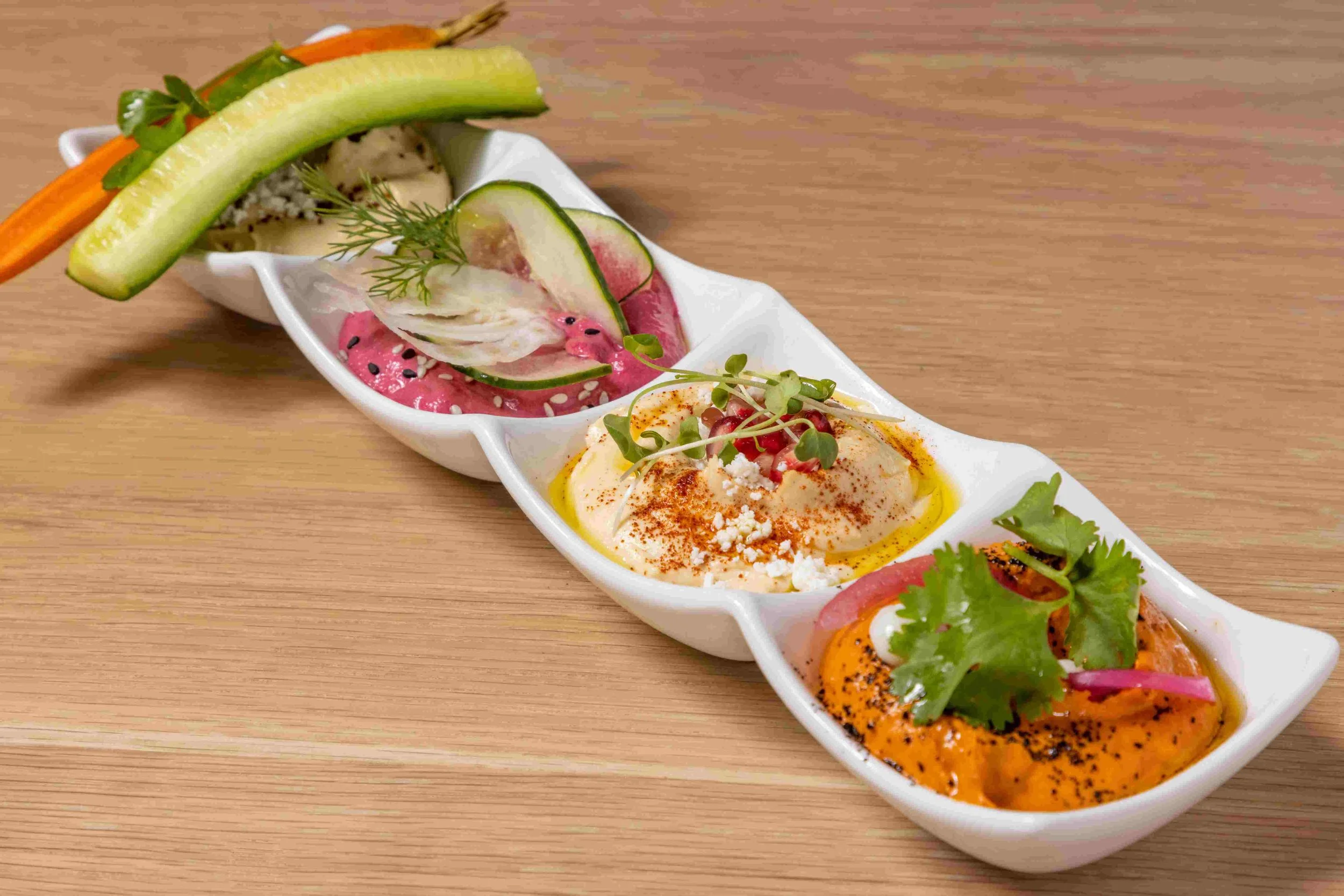
What goes into a mezze spread varies by country and by household, but certain items appear so consistently across the region that they have become almost universal. Hummus is one of the most recognized. Made from blended chickpeas, tahini, lemon juice, garlic, and olive oil, it is smooth, slightly nutty, and bright from the lemon. It is eaten with bread, with raw vegetables, with fried chickpeas, or simply on its own with a spoon. A good hummus restaurant serves it fresh, and the difference between day-old hummus and hummus made that morning is immediately noticeable in both texture and flavor.
Baba ghanoush sits alongside hummus in the mezze lineup and offers a completely different experience despite being equally simple in its construction. Eggplant is roasted or charred over flame until the skin blackens and the interior becomes soft and smoky, then blended with tahini, lemon, garlic, and sometimes a small amount of yogurt. The smokiness is the defining characteristic, and it gives baba ghanoush a depth that most cold dips cannot match. It is spread on bread, scooped with vegetables, or eaten alongside grilled meats as a cooling, smoky counterpoint.
Tzatziki is the yogurt-based dip of Greek origin that has become one of the most widely eaten condiments associated with Mediterranean food. Strained yogurt, grated cucumber, garlic, fresh dill or mint, olive oil, and lemon combine into something that is cool, creamy, and herby in a way that works with almost everything. It is eaten as a snack with pita or crudites, served alongside grilled kebabs and gyro sandwiches, and used as a sauce in döner wraps. In Turkish cuisine, a very similar preparation called cacık is typically made thinner with the addition of water and served as both a dip and a cold soup during summer months.
Dolmades, or stuffed grape leaves, are one of the great snack foods of the Mediterranean world and one that reveals how much effort this food culture is willing to put into something small. Individual grape leaves are softened, filled with a mixture of rice, fresh herbs, lemon zest, and sometimes pine nuts or currants, then rolled tightly into cylinders the size of a finger and cooked until tender. They are served at room temperature, drizzled with olive oil and lemon, and eaten by hand. The combination of the slightly tannic grape leaf exterior with the herby, lemony rice filling is genuinely compelling, and the small size makes them easy to keep eating well past the point where you intended to stop.
Street Snacks and Bakery Foods Worth Knowing
Beyond the mezze table, Mediterranean street food and bakery culture has produced a category of snacks that are specifically designed for eating on the move, between meals, or as a quick bite at any point in the day. These are the foods that define the morning street scene in Istanbul, Athens, Beirut, and Cairo, and they are worth understanding in detail because they represent some of the most creative and satisfying snack food anywhere in the world.
Simit is one of the most iconic Turkish street snacks and one of the simplest to understand. It is a ring-shaped bread covered densely in sesame seeds, with a slightly crunchy exterior from a dip in molasses water before baking and a chewy, soft interior. It is sold from carts and bakeries across Turkey every morning and eaten with white cheese, olives, or simply on its own. The sesame seeds toast slightly during baking and give simit a nutty, warm aroma that is immediately recognizable as part of the Turkish street food experience. It is not a complicated food, but it is a deeply satisfying one, and it has become more available at Turkish and Mediterranean restaurants outside of Turkey as interest in authentic Turkish food in San Francisco and the broader Bay Area has grown.
Spanakopita is the Greek spinach and feta pastry that has found fans far beyond Greece. Layers of thin, buttery filo dough encase a filling of cooked spinach, crumbled feta cheese, eggs, and fresh herbs like dill and parsley, then baked until the pastry is shatteringly crispy and golden. It can be made in a large tray and cut into squares, or formed into individual triangle shapes that are perfect for eating by hand. The contrast between the delicate, flaky exterior and the savory, slightly salty filling inside is one of the most pleasing textural experiences in Mediterranean snack food. It works at breakfast, as a midday snack, or as part of a mezze spread at the start of a dinner.
Börek is the Turkish equivalent and close relative of spanakopita, made from the same thin filo or yufka dough but with a wider range of possible fillings. Cheese börek, the most common variety, uses a mixture of white cheese and fresh herbs, sometimes with the addition of egg to bind the filling. Meat börek uses a spiced ground meat filling similar to what you would find in a kofta, with onion, parsley, and warm spices. The dough is layered, rolled, or formed into coils depending on the regional style, and the result after baking is a pastry that is rich, savory, and impossible to eat just one piece of. In Turkey, börek is considered serious enough to have dedicated börek shops, called börekçi, that sell nothing but different styles of this pastry from early morning through the afternoon.
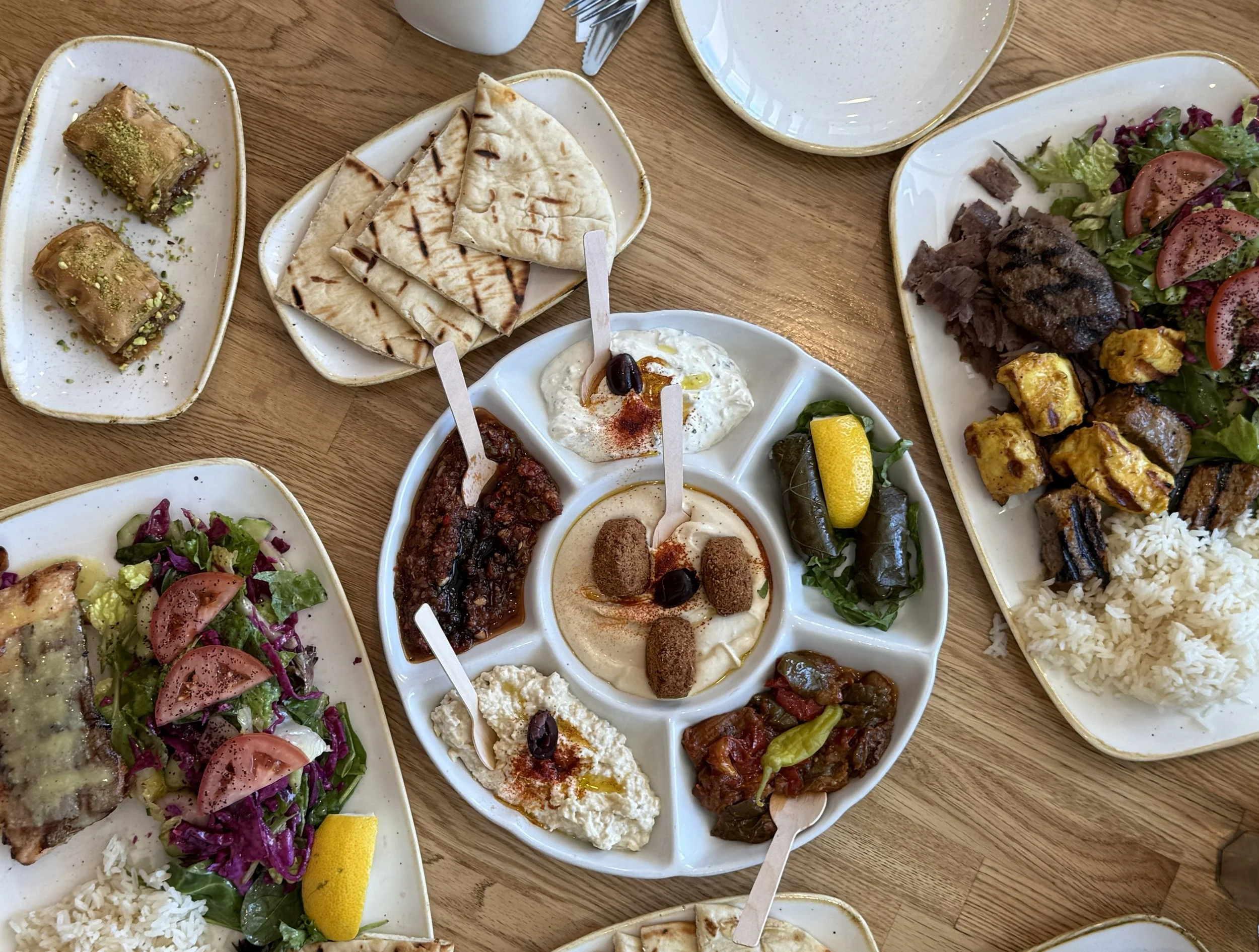
Falafel is one of the most globally recognized Mediterranean and Middle Eastern snack foods, and it has earned that status honestly. Ground chickpeas or fava beans, depending on the regional tradition, are mixed with fresh herbs, garlic, onion, and spices, then shaped into balls or small patties and fried until the exterior is deeply golden and crispy while the interior stays green from the herbs and soft from the legume base. Eaten on their own with a yogurt or tahini dipping sauce, stuffed into pita with fresh vegetables and garlic sauce, or served as part of a mezze plate, falafel is a genuinely versatile snack food that satisfies in a way that fried food from plant-based ingredients rarely does. The herb-forward interior and the contrast of crispy exterior and soft center are what make it distinctive, and the version made fresh to order at a good Mediterranean restaurant is a completely different product from the frozen variety available elsewhere.
Fried spring rolls with cheese, a Turkish street snack sometimes called sigara böreği because of their cigarette-like rolled shape, are thin filo pastry filled with white cheese and sometimes fresh herbs, rolled into tight cylinders and fried until perfectly crispy on the outside. They are served hot, immediately after frying, and eaten quickly because the exterior loses its crispness as they cool. At the moment of maximum crispiness, when the cheese inside is still melted and the pastry exterior shatters with each bite, they are one of the most satisfying snack foods in Turkish cuisine. They appear on Turkish breakfast menus, on mezze spreads, and as standalone snacks, and they are the kind of food that disappears from a plate before anyone has time to think about portion control.
Olives, Cheese, and the Snacks That Need No Preparation
Not every Mediterranean snack involves cooking or pastry work. Some of the most beloved small bites across the region require nothing more than good ingredients presented simply. This is one of the distinguishing features of Mediterranean snack culture, the recognition that a perfect olive or a piece of good cheese is already a complete food experience that does not need to be improved upon.
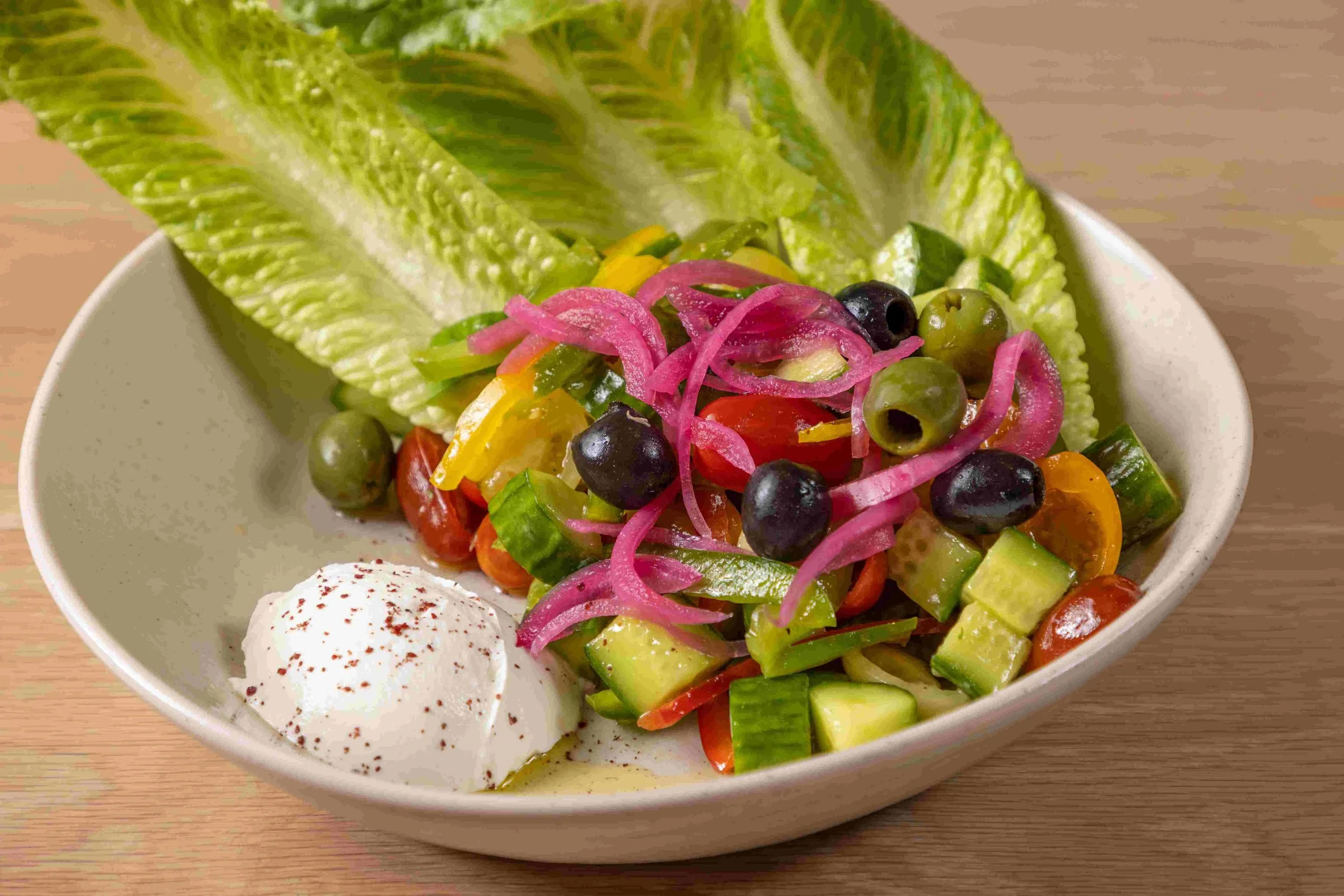
Olives are eaten across the entire Mediterranean region as a daily snack, an appetizer, and a table staple. The variety of olives available across this region is enormous. Kalamata olives from Greece are dark purple, meaty, and intensely briny with a slight bitterness that mellows as you chew. Green olives from Turkey and Lebanon are firmer and more herbaceous, often marinated with lemon peel, chili, and fresh herbs. Moroccan olives are frequently preserved with preserved lemon and cumin, giving them a warm, aromatic quality that is quite different from the cured olives of the northern Mediterranean. A bowl of well-prepared olives with good bread is considered a completely acceptable snack in any Mediterranean household, and the simplicity of that combination reflects a food philosophy that values quality ingredients over complicated preparation.
White cheese, known as beyaz peynir in Turkish and similar to feta in texture and flavor but often creamier and less salty, is eaten as a snack across Turkey and Greece in the same casual way that people in other cultures might eat a piece of cheddar or gouda. It is sliced and eaten with bread, with olives, with sliced cucumber and tomato, or simply on its own. In Turkish breakfast culture, white cheese is a staple that appears at the morning table every day without exception, but it is also eaten at any time of day when a light, protein-rich snack is needed.
Mediterranean snack culture, taken as a whole, represents an approach to between-meal eating that is rooted in real food, shared generously, and never far from the table. At Hummus Mediterranean Restaurant in San Mateo, San Francisco, Palo Alto, and Mountain View, many of these snacks and mezze items appear on the menu as starters and appetizers, giving Bay Area diners access to the full range of what Mediterranean snack culture has to offer. Whether you are sitting down for a full dinner that begins with a mezze spread, picking up Mediterranean takeout that includes a side of hummus and warm pita, or simply curious about what people snack on in this part of the world, the answer is consistently more interesting and more satisfying than most other snack traditions have to offer.
