If you have ever stood in front of a menu full of gyros, kebabs, hummus, and warm pita and thought, "wait, is this Mediterranean or Middle Eastern?" you are not alone. A lot of people use these two terms like they mean the same thing. They are closely related, but they are actually pretty different. Once you know what sets them apart, eating at a place like Hummus Mediterranean Kitchen in San Mateo, San Francisco, Palo Alto, or Mountain View becomes a whole new experience.
Let's break it all down in a simple, easy-to-understand way.
What Exactly Is Mediterranean Food?
Mediterranean cuisine covers a huge stretch of land. It pulls from countries that border the Mediterranean Sea, including Greece, Turkey, Italy, Spain, Morocco, Lebanon, and parts of the Middle East. What ties all of this food together is a shared love of fresh ingredients, olive oil, grilled proteins, legumes, and bold herbs.
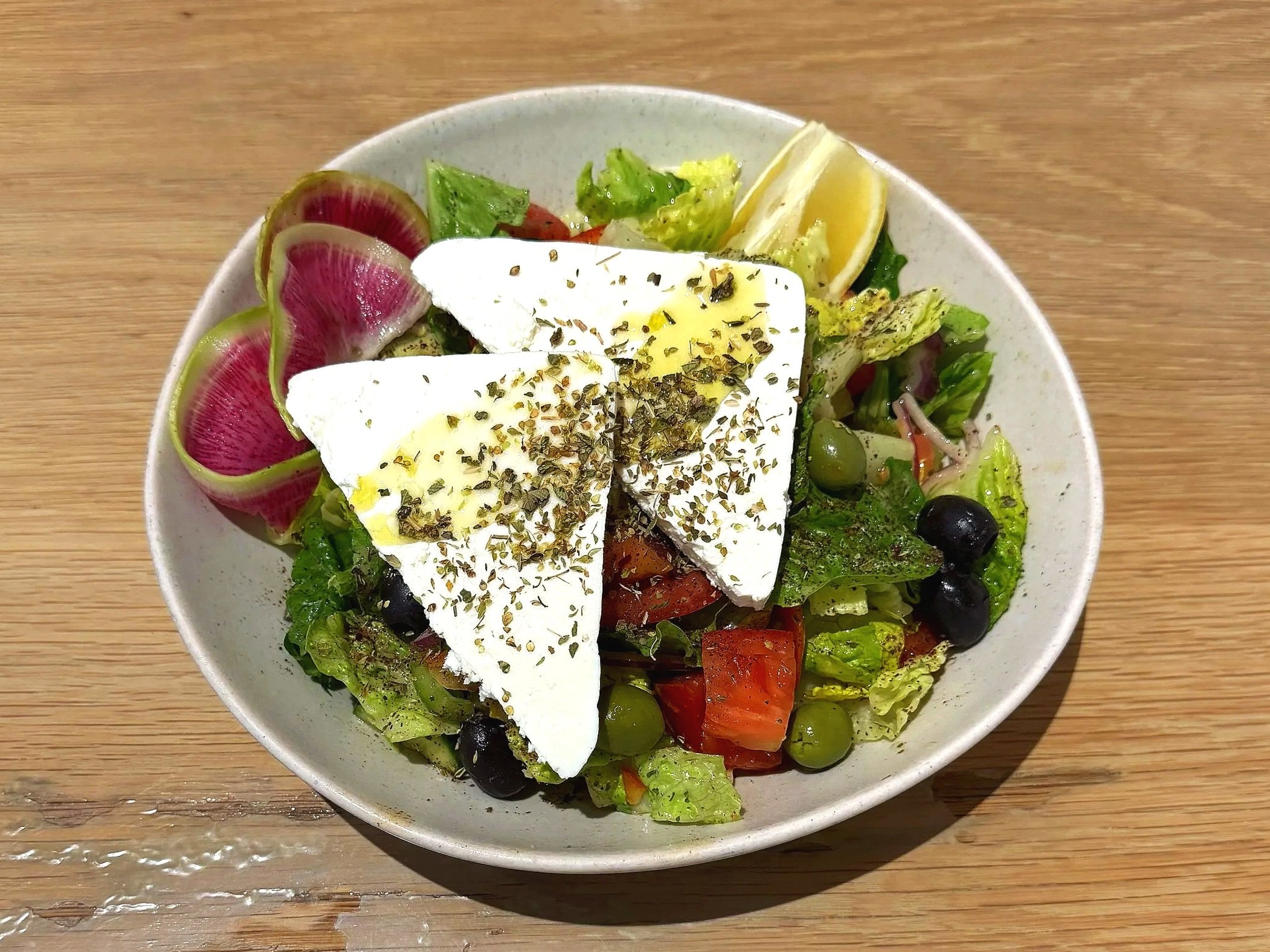
When people talk about Mediterranean food in places like San Francisco or the Bay Area, they usually mean dishes like:
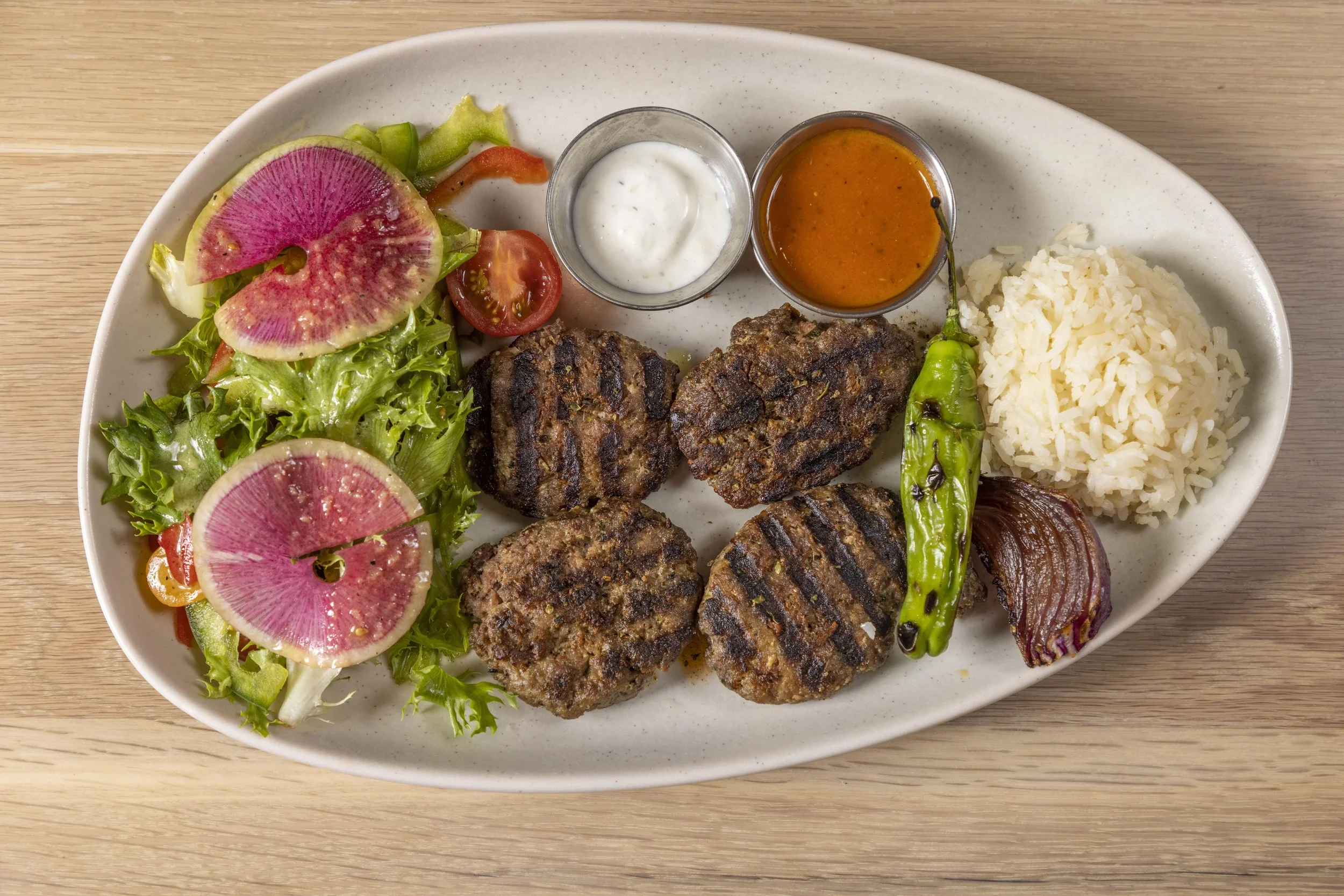
Grilled kebabs with charred edges and juicy centers
Creamy hummus made from blended chickpeas and tahini
Warm pita bread fresh from the oven
Greek salads with feta, olives, and cucumbers
Gyro sandwiches stuffed with slow-roasted meat and tzatziki
Stuffed grape leaves, roasted eggplant, and falafel
The flavors are bright and herby. Think lemon, oregano, mint, garlic, and fresh parsley. The cooking style leans toward grilling, roasting, and slow cooking. It is not heavy. Most dishes feel light even when they are filling, which is part of why Mediterranean food has earned a reputation as one of the healthiest ways to eat in the world.
Healthy dining options in San Francisco have grown a lot in recent years, and Mediterranean food fits right in. It is naturally rich in fiber, healthy fats, lean protein, and fresh vegetables. It also tends to be lower in processed ingredients than a lot of other popular food styles.
What Makes Middle Eastern Food Different?
Middle Eastern food is a subset of the broader Mediterranean world, but it has its own distinct personality. Countries like Lebanon, Jordan, Syria, Iran, Iraq and Egypt all contribute to what we call Middle Eastern cuisine. The flavors go deeper and spicier in many cases. You will find more warming spices like cumin, turmeric, cinnamon, coriander, and sumac.
Dishes like shawarma, kibbeh, mujaddara, and mansaf come directly from Middle Eastern food traditions. Halal Mediterranean food is also deeply rooted in Middle Eastern culture, and it is something a lot of diners actively look for when eating out in the Bay Area.
Some of the key differences between the two food styles come down to:
Spice profiles: Middle Eastern food tends to use warmer, earthier spices. Mediterranean food leans on herbs and citrus.
Bread: Both love bread, but Middle Eastern food includes more flatbreads, lavash, and stuffed breads.
Meat preparation: Shawarma and kofta are distinctly Middle Eastern. Gyros and souvlaki come from the Greek and Turkish side of the Mediterranean.
Sauces: Tzatziki is Greek-Mediterranean. Tahini-heavy sauces and yogurt with dried mint lean more Middle Eastern.
That said, these two food worlds share so much that the best restaurants blend them naturally. A plate of grilled lamb kebabs served with hummus and warm pita is both. That overlap is what makes places like Hummus Mediterranean Kitchen so enjoyable. The menu speaks both languages at once.
Turkish and Greek Food: Where They Fit In
Turkish food sits at a fascinating crossroads. Turkey is geographically in both Europe and Asia, and its cuisine reflects that. Turkish kebabs are some of the most well-known dishes in the world. Döner kebab, which gave birth to the modern gyro and shawarma, originated in Turkey in the 19th century.
So when someone asks about the best places for gyro and döner in SF, they are really asking about food with Turkish and Greek roots. Both gyros and döner involve meat cooked on a rotating vertical spit, sliced thin, and wrapped or plated with fresh toppings. The difference is mostly in seasoning and what goes with it. Greek gyros often come with tzatziki, tomato, and onion in a thick pita. Turkish döner is often served with spiced yogurt, sumac onions, and fresh vegetables.
Greek Mediterranean food brings its own magic too. Think creamy taramasalata, grilled octopus, spanakopita, and baklava. Greek food uses a lot of olive oil, lemon, and fresh fish. It is lighter than many people expect and deeply satisfying at the same time. Bay Area eats have come a long way, and Greek food has found a real home in cities like San Francisco, Palo Alto, and Mountain View.
What to Expect When You Eat at a Mediterranean Restaurant
If you are heading out to try Mediterranean food near you in San Francisco for the first time, here is what you can expect. The menu will likely have a mix of sharable starters and main plates. Ordering a few things to share is a very common way to eat Mediterranean food, and it is honestly the best way to try a little of everything.
Start with hummus and warm pita. Good hummus should be smooth, a little tangy from lemon, nutty from tahini, and finished with olive oil and a dusting of paprika. It should taste fresh, not like something that came out of a plastic tub. Good pita should be soft and slightly chewy, not dry or crackerlike.
From there, move to kebabs. Lamb and chicken kebabs are the most popular options. A well-made kebab has a slight char on the outside and stays juicy all the way through. It should smell like grilled meat, fresh herbs, and a little smoke. Lamb gyro in San Francisco has become something of a must-try dish for foodies exploring the Bay Area food scene.
If you are someone who likes things organized, here are a few quick tips for dining at a Mediterranean restaurant:
Ask about the mezze options. These are small shared plates perfect for tables of two or more.
Döner and gyro sandwiches are great for a quick, satisfying lunch.
Vegetarian options are plentiful. Hummus, falafel, stuffed grape leaves, and roasted vegetable platters are all naturally meat-free.
If you are getting takeout, soups and rice dishes travel well. Kebabs are best fresh off the grill.
Takeout, Delivery, and Dining at Hummus Mediterranean Kitchen
One of the things that makes Hummus Mediterranean Kitchen stand out across its San Mateo, San Francisco, Palo Alto, and Mountain View locations is that it works for just about every kind of meal. Families coming in for a sit-down dinner, couples looking for a relaxed date night, coworkers grabbing a fast lunch, and solo diners picking up takeout on a Wednesday evening all feel at home here.
The restaurant offers dine-in for those who want the full experience, which means warm bread arriving at the table, the smell of grilled meat in the air, and a comfortable setting that does not feel rushed. It also offers takeout for people who want authentic Turkish and Mediterranean food at home without the wait. Mediterranean takeout in the Bay Area has become a go-to option for busy weeknights, and that makes sense. The food holds up well, reheats easily, and feels satisfying without being heavy.
For anyone wondering about Mediterranean food delivery in SF or the surrounding cities, Hummus Mediterranean Kitchen is one of the Bay Area spots that makes it easy to get great food without having to go anywhere.
The food is the kind of thing that feels both familiar and new at the same time. Even if you have never tried a döner or a lamb gyro before, the flavors are approachable. It is the kind of restaurant that turns first-timers into regulars.
Why Mediterranean and Middle Eastern Food Keeps Growing in Popularity
There is a reason San Francisco food culture has embraced Mediterranean and Middle Eastern food so fully. People want food that is real. They want grilled proteins, fresh vegetables, herbs they can taste, and sauces made from scratch. They want meals that fill them up without leaving them sluggish. Mediterranean cuisine does all of that.
It is also one of the most shareable food cultures in the world. The whole point of a spread of hummus, kebabs, pita, and salad is to eat together. Food like this brings people to the table and keeps them there. That is something every good restaurant understands, and it is something Hummus Mediterranean Kitchen has built its reputation on across the Bay Area.
Whether you are new to Mediterranean food or you have been eating it your whole life, there is always something new to try. And if you are in San Mateo, San Francisco, Palo Alto, or Mountain View and you want to eat well without overthinking it, this kind of food is a very good place to start.
